


What is the Joy Crown Advanced Wound Dressing
Joy Crown is a leading advanced wound dressing manufacturer and supplier in China, specializing in hydrocolloid dressings, foam dressings, alginate dressings, silicone foam dressings, and silver wound care products for global healthcare markets.
Advanced Wound Dressings are modern wound care products. They are designed to create an optimal healing environment, manage exudate, reduce pain during dressing changes, minimize infection risks, and promote faster tissue regeneration. Compared with traditional wound dressings, advanced wound care products provide superior moisture balance, atraumatic removal, and enhanced patient comfort.
Shanghai Joy Crown as a manufacturer and supplier in China, specializes in advanced wound dressings, which are used to help the heal acute wounds, chronic wounds, surgical incisions, burns, donor sites, diabetic ulcers, pressure injuries, and wounds after surgeries.


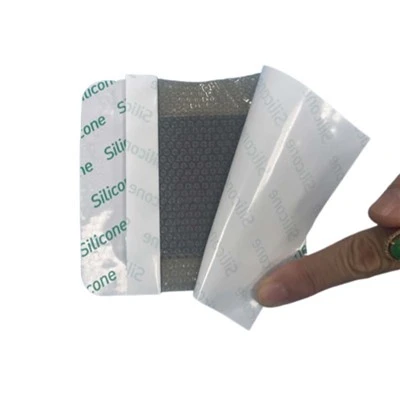
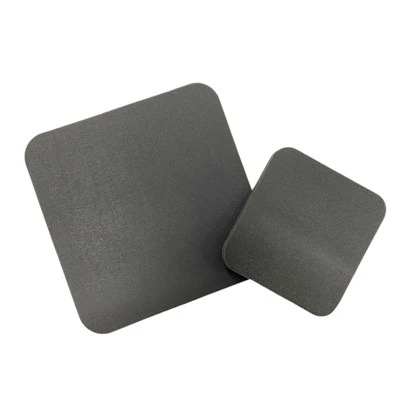
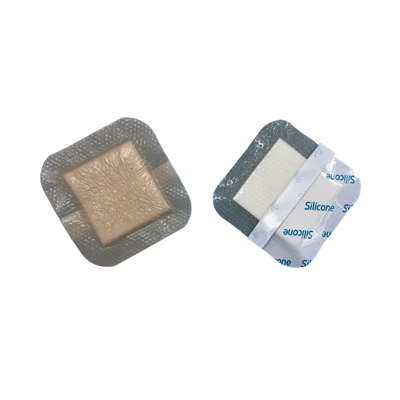


Years of professional research and development leads to our products of advanced wound dressings such as Non-Adherent Dressing, Surgical Wound Dressings, Burn Wound Dressings, Specialty Dressings. The portfolio includes
Wound Care Dressings
- Xeroform Petrolatum Gauze Dressing
- Non-Adherent Dressing
- Incision Care Dressing
Surgical & Specialty Dressings
- Circumcision Wound Dressing
- Skin Graft Dressing
- Haemoplast IV Pressure Dressing
- CHG High MVTR Reinforced Transparent Dressing
Advanced Moist Wound Healing Dressings
- Hydrocolloid Wound Dressing
- Alginate Wound Dressing
- Foam Dressing Non Adhesive
- Silicone Foam Dressing
- Foam Dressing With Silver (Non Adhesive)
- Silicone Foam Dressing With Silver
- Hydrogel Wound Dressing
- Wound Contact Layer
- Silicone Superabsorbent Dressing
- Silicone PU Island Dressing
- CMC Dressing
Explore the product categories below to find the most suitable advanced wound dressing solutions for different wound types, treatment stages, and clinical applications. All products can be supplied under OEM and private label programs to meet the needs of distributors, hospitals, pharmacies, and medical brands worldwide.
Joy Crown Advanced Wound Dressings: Types and Clinical Applications
- We used to treat a lot of wounds with cotton, antiseptic, gauze, and medical tape. While these things are still helpful sometimes, how we manage wounds has changed a lot.
- Today, experienced nurses and doctorscheck the whole situation of patients. They figure out what kind of wound it is and how bad it is. They also check how much fluid it's making, if it's infected, if the tissue is healthy, and what the skin around it looks like. Only then they choose the right dressings.They wouldtreat a fresh cut from surgery differently than a long-term diabetic foot ulcer, a bed sore, or a light burn.
- Picking the right advanced wound dressing is a big deal for healing. A right dressing helps maintain a moist healing environment, protects newly formed tissue, reduces pain or second trauma during dressing changes, and manages exudate effectively, minimizes the risk of external contamination, makes patients feel more comfort.
-
Thanks to new medical materials and years of experience, Joy Crown Advanced Wound Dressings are now a key part of modern wound care. Since different dressings work for different wounds, choosing the right one is really important for getting the best results.
Primary & Specialty Dressings
Circumcision Wound Dressing
Intended Use:
Circumcision Wound Dressing is specificallyusedfor neonatal and pediatric post-circumcision wound care, where frequent dressing change needed,andfurthermore,sensitive skin requires a ready-to-use, non-adherent petrolatum dressing.
Comparedtogeneral advanced wound dressings, it is optimized for high-frequency postoperative care in diaper-area wounds, focusing on ease of use and consistent protection.
It is particularly suitable for neonatal and pediatric circumcision wounds requiring frequent, gentle dressing changes.
Features and Advantages
- Pre-impregnated with petrolatum, ready to use without preparation
- Designed for neonatal and pediatric sensitive skin
- Non-adherent structure helps reduce pain during repeated dressing changes
- Supports a moist wound healing environment in high-moisture conditions
- Sterile, individually packed for safe hospital and home use
- Simplifies caregiver workflow in frequent dressing change situations.
Main Applications
- Neonatal circumcision wound care
- Pediatric post-circumcision wound management
- Frequent dressing changes in diaper-area wounds
- Home or hospital postoperative circumcision care
- Minor post-surgical wounds requiring non-adherent protection
Xeroform Petrolatum Gauze Dressing
Intended Use:
Used as a non-adherent primary wound contact layer for postoperative and surgical wounds requiring gentle protection and mild antimicrobial support.
Unlike absorptive dressings, it is mainly for superficial wounds, graft sites, and donor sites with low to moderate exudate.
It is particularly suitable for superficial postoperative wounds requiring non-adherent protection with mild antimicrobial support.
Features and Advantages
Petrolatum gauze with 3% Bismuth Tribromophenate
Non-adherent to reduce trauma during removal
Mild antimicrobial and odor control support
Maintains moist wound environment
Sterile, pre-cut, and individually packed
Reduces pain during dressing changes
Main Applications
Surgical incision protection
Skin graft and donor sites
Superficial burns and abrasions
Primary contact layer in postoperative care
Wound Contact Layer
Intended Use:
Wound Contact Layer is a primary interface dressing, which placed directly on the wound bed to protect fragile tissue. It allows exudate to pass through to the secondary absorbent dressing. It is mainly used where minimal adherence and gentle tissue protection are required.
It is particularly suitable for fragile wounds requiring a protective interface beneath secondary dressings.
Features and Advantages
- Ultra-thin interface layer that minimizes trauma to newly formed tissue
- Non-adherent or low-adherent design to protect fragile wound bed
- Highly permeable structure allows vertical fluid transfer to secondary dressing
- Flexible and conformable for irregular wound surfaces
- Acts as a protective interface rather than a primary absorbent dressing (key distinction vs foam/alginate/hydrocolloid)
Main Applications
- Skin grafts and donor sites
- Superficial wounds with fragile granulation tissue
- As a primary contact layer under foam or absorbent dressings
- Wounds requiring atraumatic dressing changes with secondary absorption system
- Post-surgical wounds needing interface protection
Silicone PU Island Dressing
Intended Use:
Silicone PU Island Dressing is designed for low to moderately exuding wounds. It is a secure fixation dressing with a breathable polyurethane film border and a soft silicone wound contact layer. It is mainly used where both protection of the wound center and stable adhesion to surrounding intact skin are needed in a single dressing system.
It is particularly suitable for postoperative wounds requiring waterproof protection and atraumatic fixation.


Features And Advantages
PU film “island” structure provides secure fixation and protects wound margins
Highly breathable backing supports moisture vapor transmission (MVTR balance)
Central absorbent pad manages low to moderate exudate efficiently
Water-resistant outer layer helps protect against external contamination
Conforms well to body contours for stable wear during movement
Main Applications
Minor surgical or sutured wounds
Superficial traumatic wounds (cuts, abrasions)
Wounds requiring both protection and stable border fixation
Short- to medium-term postoperative wound coverage
CHG High MVTR Reinforced Transparent Dressing
Intended Use:
CHG High MVTR Reinforced Transparent Dressing is designed for vascular access sites requiring continuous visualization, secure fixation, and antimicrobial protection. It is designed for catheter and IV insertion sites, to prevent infection.
It is particularly suitable for vascular access sites requiring antimicrobial protection and continuous monitoring.
Features and Advantages
- Integrated CHG pad provides localized antimicrobial protection
- High MVTR film allows moisture vapor transmission to reduce skin moisture buildup
- Reinforced structure enhances secure fixation of catheters and medical devices
- Transparent design enables continuous site inspection without dressing removal
- Helps reduce the risk of catheter-related contamination
- Suitable for extended wear in demanding clinical settings
Main Applications
- Central venous catheter (CVC) sites
- Peripheral IV catheter fixation
- PICC line insertion sites
- Epidural catheter securement
- Other vascular access and medical device insertion sites
Haemoplast IV Pressure Dressing
Intended Use:
Designed for post-puncture care following IV catheter removal, blood collection, dialysis, and vascular access procedures. It provides localized pressure to help control bleeding and protect the puncture site.
It is particularly suitable for post-catheterization sites requiring immediate compression and hemostasis.
Features and Advantages
- Integrated absorbent pad with pressure function
- Helps achieve rapid hemostasis after puncture
- Secure fixation without additional tape
- Reduces dressing change complexity
- Comfortable and easy to apply
Main Applications
- IV catheter removal sites
- Blood donation puncture sites
- Hemodialysis access sites
- Angiography puncture care
- Injection and venipuncture sites
Hydrocolloid Wound Dressing
Intended Use:
Hydrocolloid Wound Dressing is a dressing for low to moderately exuding wounds. It creates a moist wound healing environment to protect the wound from external contamination. It supports autolytic debridement and is suitable for both acute and chronic wound management.
It is particularly suitable for low-exuding wounds requiring extended wear time and autolytic debridement support.
Features and Advantages
- Forms gel on contact with wound exudate to maintain moisture balance
- Occlusive barrier protects against bacteria and external contamination
- Supports autolytic debridement and natural healing process
- Flexible and conformable for different wound areas
- Long wear time reduces dressing change frequency
- Helps minimize pain and trauma during removal
Main Applications
- Pressure injuries (Stage I–II)
- Superficial burns
- Minor surgical wounds
- Skin abrasions and lacerations
- Low-exudate chronic wounds
Alginate Wound Dressing
Intended Use:
Alginate Wound Dressing is designed for moderate to heavily exuding wounds, especially where high absorption and conformability to irregular or deep wound cavities are required. It is intended for wounds that need effective exudate control and a moist wound environment.
It is particularly suitable for heavily exuding wounds and bleeding wounds requiring rapid absorption.
Features And Advantages
Forms a soft gel upon contact with wound fluid to maintain moisture balance
Excellent conformability, suitable for irregular and cavity-shaped wounds
Supports autolytic debridement by maintaining a moist healing environment
Helps reduce leakage and maceration in highly exuding wounds
Main Applications
Moderate to heavily exuding chronic wounds
Pressure injuries (Stage III–IV)
Diabetic foot ulcers with high exudate
Post-surgical wounds with significant fluid drainage
Hydrogel Wound Dressing
Intended Use:
Hydrogel Wound Dressing is designed for dry to minimally exuding wounds. These wounds require moisture donation and gentle hydration. This dressing helps rehydrate necrotic tissue and supports autolytic debridement.
It is particularly suitable for dry wounds requiring moisture donation and autolytic debridement support.
Features and Advantages
- Donates moisture to dry wound beds and maintains hydration
- Helps soften necrotic tissue to support autolytic debridement
- Provides a cooling and soothing effect for improved patient comfort
- Suitable for wounds with minimal exudate requiring moisture balance
- Gentle application for sensitive wounds and exposed tissue
Main Applications
- Dry or minimally exuding wounds
- Necrotic wounds requiring autolytic debridement
- Superficial and partial-thickness burns
- Painful wounds requiring a cooling effect
- Radiation-damaged or fragile tissue wounds
CMC Dressing (Carboxymethyl Cellulose Dressing)
Intended Use:
CMC Dressing is for moderate to high exuding wounds. It provides advanced fluid management through its hydrofiber technology. This dressing absorbs the wound exudate quickly and turn it into a cohesive gel, helps maintain a controlled moist wound environment, reduces the risk of fluid leakage and maceration.
It is particularly suitable for moderate to heavily exuding cavity wounds requiring vertical fluid absorption.
Features and Advantages
- CMC (Carboxymethyl Cellulose) fiber rapidly absorbs exudate and forms a stable gel structure
- Locks in fluid within the fiber matrix to prevent lateral leakage and maceration
- Gel formation helps maintain a balanced moist wound environment for healing
- High absorbency suitable for sustained exudate management in deep or cavity wounds
- Conforms closely to wound bed, ensuring full contact and effective fluid handling
- Reduces frequency of dressing changes due to high retention capacity
Main Applications
- Moderately to heavily exuding chronic wounds
- Cavity wounds requiring filling and gel-forming absorption
- Pressure injuries with moderate to high exudate
- Diabetic foot ulcers with exudation
- Post-surgical wounds with sustained fluid output
Foam Dressing Family
Foam Dressing Non Adhesive
Intended Use:
For moderate to high exuding wounds requiring absorption and cushioning without silicone or antimicrobial components.
Compared with silicone or silver foam dressings, it focuses on basic fluid management and cost-effective wound protection.
It is particularly suitable for moderate to heavily exuding wounds requiring cost-effective absorption and cushioning.
Features and Advantages
- Non-adhesive foam for effective exudate absorption
- Maintains moist wound environment
- Provides cushioning and pressure protection
- Reduces maceration by locking in fluid
- Flexible and conformable to wound shapes
- Cost-effective without silicone layer or silver
Main Applications
Moderate to heavily exuding wounds
Pressure injuries (Stage II–III)
Traumatic wounds (abrasions, lacerations)
Post-surgical exuding wounds
Secondary dressing in multi-layer wound care
Silicone Foam Dressing
Intended Use:
Silicone Foam Dressing is designed for moderate to high exuding wounds requiring atraumatic contact layer, effective fluid management, and reduced pain during dressing changes. Compared with standard foam dressings non adhesive, it provides a gentle silicone wound interface for sensitive or fragile skin and supports a balanced moist wound environment.
It is particularly suitable for fragile skin and patients requiring atraumatic dressing removal.
Features And Advantages
Soft silicone contact layer reduces wound adhesion and dressing pain
High absorbent foam core manages moderate to heavy exudate effectively
Minimizes trauma to fragile skin and newly formed tissue during removal
Maintains a moist wound healing environment to support tissue recovery
Conforms well to body contours for improved comfort and protection
More patient-friendly compared with non-silicone foam dressings
Main Applications
Pressure injuries (Stage II–III)
Post-surgical wounds requiring atraumatic dressing changes
Fragile skin or elderly patient wound care
Chronic wounds requiring long wear time dressing
Foam Dressing with Silver
Intended Use:
Foam Dressing with Silver is designed for moderate to high exuding wounds with infection risk or critical colonization. It effectively absorbs exudates, provides a sustained antimicrobial protection using silver technology. It has no silicone contact layer. Compared with silicone foam dressings or foam dressing non adhesive, it is more suitable for infected or high-risk wounds where antimicrobial action is prioritized over atraumatic removal.
It is particularly suitable for exuding wounds at risk of infection requiring antimicrobial protection.
Features and Advantages
- Silver component provides broad-spectrum antimicrobial protection
- Helps reduce bacterial load and supports infection control
- High absorbent foam core manages moderate to heavy exudate
- Non-silicone interface offers strong adherence stability for secure fixation
- Maintains moist wound environment while limiting microbial growth
- Suitable for cost-effective infection management compared to silicone silver foam
Main Applications
- Infected or critically colonized wounds
- Moderate to heavily exuding chronic wounds
- Pressure injuries with signs of infection (Stage II–IV)
- Post-surgical infected or high-risk wounds
- Traumatic wounds with infection risk
Silicone Foam Dressing with Silver
Intended Use:
Silicone Foam Dressing with Silver is designed for moderate to heavily exuding wounds with high infection risk or confirmed infection. It combines atraumatic silicone wound contact technology with sustained silver antimicrobial activity, providing both exudate management and infection control in a single advanced dressing. Compared with non-silver silicone foam dressings or foam dressings, it is specifically intended for infected or critically colonized wounds requiring antimicrobial support.
It is particularly suitable for infected wounds in patients with fragile or sensitive skin.
Features and Advantages
- Silver ions provide broad-spectrum antimicrobial protection against bacteria
- Silicone contact layer ensures painless and atraumatic dressing removal
- High absorbent foam core effectively manages moderate to heavy exudate
- Helps reduce bacterial load and supports wound infection control
- Maintains moist wound healing environment for optimal tissue recovery
- Combines comfort (silicone) and antimicrobial function (silver) in one dressing
- Suitable for longer wear time with reduced dressing change frequency
Main Applications
- Infected or critically colonized chronic wounds
- Moderate to heavily exuding pressure injuries (Stage II–IV)
- Post-surgical infected or high-risk wounds
- Diabetic foot ulcers with infection risk
- Traumatic wounds with bacterial contamination
Silicone Superabsorbent Dressing
Intended Use:
Silicone Superabsorbent Dressing is designed for heavily exuding wounds. It can handle maximum fluid and secure exudate retention.This dressing has a atraumatic silicone contactlayer and super absorbent capacity. It can protect the wound bed andthesurrounding skinsfromtheexcessive moisture exposure.
It is just suitable for heavily exuding wounds requiring maximum fluid management and reduced dressing changes.
Features and Advantages
- Superabsorbent core locks in large volumes of exudate and reduces leakage
- Silicone contact layer minimizes trauma during dressing removal
- Helps protect peri-wound skin from maceration caused by excessive moisture
- Suitable for extended wear with fewer dressing changes
- Maintains a balanced wound environment even under high exudate conditions
- Combines patient comfort with advanced fluid management
Main Applications
- Heavily exuding chronic wounds
- Pressure injuries with high exudate output
- Venous leg ulcers
- Diabetic foot ulcers with significant drainage
- Post-surgical wounds with excessive exudate
Foam Dressings Comparison Table
Foam dressings are one of the most widely used categories in advanced wound care due to their excellent balance of absorption, protection, and comfort. However, different foam-based products are designed for different clinical needs, especially in terms of exudate level, infection control, and skin sensitivity. The following table provides a clear comparison of the main foam dressing types in the Joy Crown Advanced Wound Dressing portfolio.
| Product Type | Silicone Contact Layer | Exudate Level | Infection Control | Pain on Removal | Key Strength | Best Suitable Wound Types |
| Foam Dressing Non Adhesive | No | Moderate to High | No | Moderate | Cost-effective absorption and cushioning | Pressure injuries (Stage II–III), post-surgical exuding wounds, traumatic wounds |
| Silicone Foam Dressing | Yes | Moderate to High | No | Low | Atraumatic removal with balanced fluid management | Fragile skin, elderly patients, post-surgical wounds |
| Foam Dressing with Silver | No | Moderate to High | Yes (silver antimicrobial) | Moderate | Infection control with strong absorption | Infected or critically colonized wounds, high-risk pressure injuries |
| Silicone Foam Dressing with Silver | Yes | Moderate to High | Yes (silver antimicrobial) | Very Low | Combined infection control + atraumatic removal | Infected wounds with fragile or sensitive skin |
| Silicone Superabsorbent Dressing | Yes | Very High | No | Very Low | Maximum exudate management with peri-wound protection | Heavily exuding wounds, venous leg ulcers, diabetic foot ulcers |
Clinical Selection Insight
- If infection is present or suspected: chooseSilver Foam Dressings
- If patient has fragile or sensitive skin: chooseSilicone-based Foam Dressings
- If exudate is very heavy: chooseSuperabsorbent Foam Dressing
- If cost efficiency is priority: chooseNon-Adhesive Foam Dressing
- If both infection + fragility exist: chooseSilicone Foam with Silver
Why Choose Joy Crown Advanced Wound Dressings
Joy Crown Medical is a professional manufacturer and supplier in China of advanced wound dressings. We began to develop and produce the different functional wound dressing from 2009, including the wound care dressings, surgical & specialty dressings and advanced moist wound healing dressings. Our advanced wound dressings are approved ISO13485, MDR CE, US FDA and SFDA for many years. We also supplies these dressings to EU, USA, Saudi Arabian, Philippines. Our factory owns class 10-6 cleanroom more than 5,000 m2. Our annual sales of advanced wound dressings to worldwide markets is more than 5 million US dollars. We provide OEM/ODM service for the different customers brands, with small MOQ evem. Meanwhile, Joy Crown Medical also provides the Joy Crown Private Brands Advance Wound Dressings for the different customers, distributors, consumers. We have the large and stable production capacity and guarantee the customers required delivery time.
FAQ
Q: What are Advanced Wound Dressings?
A: Advanced wound dressings are modern medical wound care products designed to manage exudate, maintain a moist wound environment, reduce infection risk, and support faster tissue regeneration compared to traditional gauze and cotton dressings.
Q: What is the main advantage of advanced wound dressings over traditional dressings?
A: Unlike traditional gauze, advanced wound dressings:
Maintain a moist healing environment
Reduce pain during dressing changes
Lower risk of wound trauma and adhesion
Improve exudate management
Support more effective wound healing outcomes
Q: What types of wounds can be treated with Joy Crown Advanced Wound Dressings?
A: Joy Crown Advanced Wound Dressings are suitable for:
Surgical incisions
Chronic wounds (pressure injuries, diabetic foot ulcers)
Burns and trauma wounds
Skin graft and donor sites
Post-operative wounds
Vascular access sites (IV, CVC, PICC)
Q: How do I choose the right advanced wound dressing?
A: Selection should be based on three clinical factors:
Exudate level (low / moderate / high / very high)
Infection risk (none / suspected / confirmed)
Skin condition (normal / fragile / sensitive)
Different dressing types are designed for different wound conditions, so correct selection is essential for optimal healing.
Q: What is a foam dressing used for?
A: Foam dressings are used for moderate to heavily exuding wounds. They absorb wound fluid, protect peri-wound skin, and maintain a moist healing environment. Some foam dressings also include silicone or silver for additional comfort or antimicrobial function.
Q: What is the difference between silicone foam dressing and non-adhesive foam dressing?
A: Non-adhesive foam dressing: focuses on absorption and cost-effectiveness
Silicone foam dressing: provides atraumatic removal and better comfort, especially for fragile or sensitive skin
Silicone foam is preferred when pain reduction and skin protection are important.
Q: When should silver foam dressings be used?
A: Silver foam dressings are recommended for wounds with infection risk or critical colonization. Silver provides broad-spectrum antimicrobial action to help reduce bacterial load and support infection control.
Q: What is a Superabsorbent Foam Dressing used for?
A: Superabsorbent foam dressings are designed for heavily exuding wounds. They lock in large amounts of fluid, reduce leakage, and protect peri-wound skin from maceration, making them suitable for high-exudate chronic wounds.
Q: Q: What is a Hydrocolloid Wound Dressing used for?
A: A: Hydrocolloid dressings are suitable for low-exudate wounds. They form a gel upon contact with wound fluid, support autolytic debridement, and maintain a moist healing environment with extended wear time.
Q: What is an Alginate Wound Dressing used for?
A: Alginate Wound Dressings are used for moderate to heavily exuding or bleeding wounds. They absorb large volumes of exudate and form a gel, making them ideal for deep or cavity wounds.
Q: What is a Hydrogel Wound Dressing used for?
A: Hydrogel wound dressings are used for dry or necrotic wounds. They provide moisture donation, help soften dead tissue, and support autolytic debridement while improving patient comfort.
Q: What is CHG Transparent Dressing used for?
A: CHG high MVTR reinforced transparent dressings are used for vascular access sites such as CVC, PICC, and IV lines. They provide antimicrobial protection, secure fixation, and allow continuous site visualization.
Q: Are Joy Crown Advanced Wound Dressings sterile?
A: Yes. Most products are sterile and individually packed to ensure infection control and meet hospital clinical requirements.
Q: Q: Does Joy Crown provide OEM and private label services?
A: A: Yes. Joy Crown offers full OEM/ODM and private label services, including customized packaging, branding, and product specifications for global distributors and medical brands.
Q: What certifications does Joy Crown have for advanced wound dressings?
A: Joy Crown products are manufactured under international standards, including:
ISO 13485 quality management system
MDR CE certification
US FDA registration
SFDA compliance (for selected markets)
Q: What is the MOQ for advanced wound dressings?
A: We provide flexible MOQ options depending on product type and packaging requirements, supporting both trial orders and large-scale procurement.
Q: Q: Where are Joy Crown Advanced Wound Dressings exported?
A: A: Our products are exported globally, including Europe, North America, the Middle East (including Saudi Arabia), and Southeast Asia, through hospitals, distributors, and medical supply chains.
Q: What is the shelf life of advanced wound dressings?
A: Most products have a shelf life of 3 to 5 years depending on material type and sterilization method. Exact shelf life is specified per product.
Q: When should I use foam dressing instead of alginate wound dressing?
A: Foam dressings are preferred for moderate to high exudate wounds requiring cushioning and long wear time, while alginate wound dressings are more suitable for deep, cavity, or bleeding wounds requiring high absorption and gel formation.
Foam = surface + protection
Alginate = cavity + heavy fluid + hemostatic support
Q: When should I choose hydrocolloid wound dressing vs hydrogel wound dressing?
A: Hydrocolloid wound dressings are suitable for low exudate wounds that need occlusion and autolytic debridement.
Hydrogel wound dressings are suitable for dry or necrotic wounds that require moisture donation and rehydration.
Hydrocolloid = seal + moisture retention
Hydrogel = moisture donation + rehydration
Q: How to select wound dressings based on infection risk?
A: No infection → Hydrocolloid / Foam
Suspected infection → Silver Foam Dressing
Confirmed infection → Silver Foam / Silicone Silver Foam
High-risk wounds → antimicrobial dressings with silver technology
Infection level is a key factor in advanced wound dressing selection.
Q: When should silicone foam dressing be used?
A: Silicone foam dressings should be used when the patient has fragile or sensitive skin, post-surgical wounds, or requires painless dressing removal. They reduce trauma and improve patient comfort during repeated dressing changes.
We're well-known as one of the leading advance wound dressing manufacturers and suppliers in China. Please feel free to wholesale high quality advance wound dressing made in China here from our factory. Contact us for more details.