

Are cohesive bandages environmentally friendly?
Leave a message

Hey there! As a supplier of cohesive bandages, I often get asked about the environmental impact of these handy products. So, I thought I'd dive into the topic and share my insights with you all.
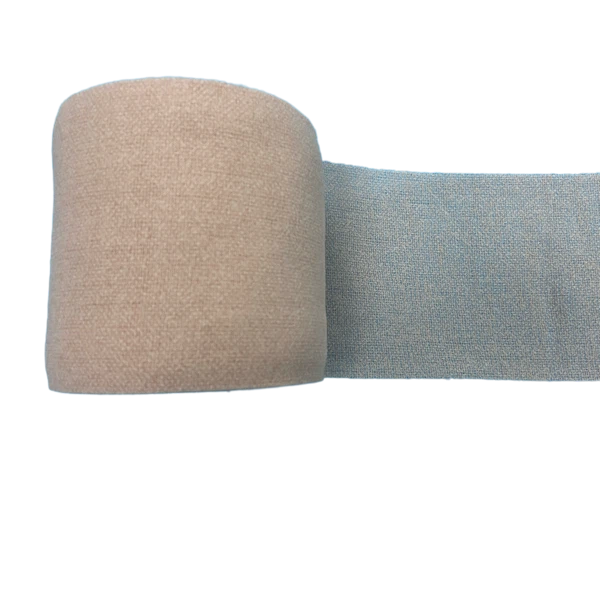
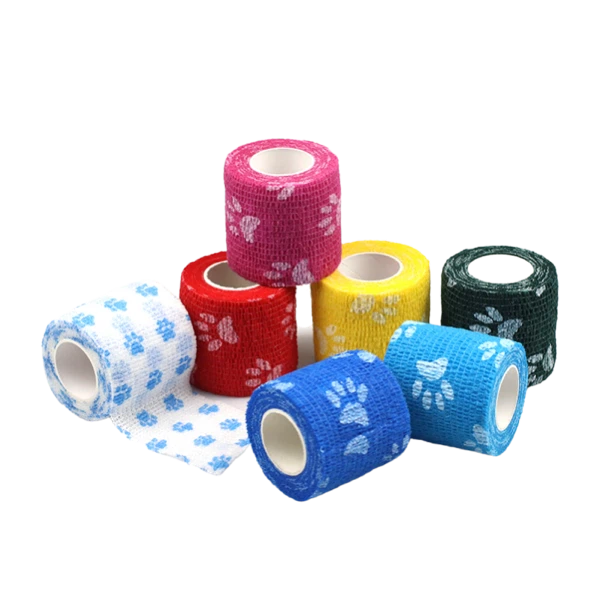
First off, let's understand what cohesive bandages are. Cohesive bandages are self - adhering wraps that don't stick to the skin but bond to themselves. They're widely used in sports, veterinary care, and medical settings for support and immobilization. There are different types available, like the Cohesive Fixation Bandage, Cohesive Conforming Bandage, and Elastic Cohesive Bandage.
Now, let's talk about the environmental pros and cons.
The Pros
Reusability
One of the big pluses of cohesive bandages is that they can often be reused. If they're not soiled or damaged, you can use them multiple times. For example, in a sports setting, an athlete can use the same cohesive bandage for a few practices or games. This reduces the amount of waste generated compared to single - use products. Reusing these bandages means fewer new ones need to be produced, which in turn saves resources like raw materials and energy used in manufacturing.
Durability
Cohesive bandages are generally quite durable. They're made to withstand stretching, bending, and movement. This means they don't need to be replaced as often as some other less - robust products. A well - made cohesive bandage can last a long time, providing long - term use and again, reducing waste.
Less Packaging
Compared to some other medical or sports products, cohesive bandages usually come with minimal packaging. Most of them are just rolled up and placed in a simple plastic or paper wrapper. This reduces the amount of packaging waste that ends up in landfills.
The Cons
Material Composition
Many cohesive bandages are made from synthetic materials like polyester or nylon. These materials are derived from petroleum, a non - renewable resource. The extraction and processing of petroleum have significant environmental impacts, including air and water pollution, and habitat destruction. When these synthetic bandages end up in landfills, they can take hundreds of years to decompose.
Disposal Challenges
Once a cohesive bandage is soiled or damaged beyond reuse, disposing of it can be tricky. If it's been in contact with bodily fluids or chemicals, it may need to be treated as medical waste, which requires special handling and disposal methods. Even non - contaminated bandages often end up in landfills, contributing to the growing waste problem.
Recycling Difficulties
Recycling cohesive bandages is not straightforward. The combination of different materials in the bandages, along with any adhesives or coatings, makes it hard to separate and recycle them efficiently. There aren't many recycling programs specifically designed for these types of products, so most end up being thrown away.
What Can We Do?
As a supplier, I'm always looking for ways to make our products more environmentally friendly. One thing we're exploring is using more sustainable materials. For example, we're researching the use of natural fibers like cotton or bamboo in our bandages. These materials are renewable and biodegradable, which would significantly reduce the environmental impact.
We're also working on improving the recyclability of our products. This involves finding better ways to design the bandages so that they're easier to break down into their component parts for recycling. And we're looking into partnerships with recycling facilities to ensure that our used bandages are properly recycled whenever possible.
Another step we're taking is to educate our customers about the proper use and disposal of cohesive bandages. By encouraging reuse and responsible disposal, we can all help to minimize the environmental impact of these products.
Conclusion
So, are cohesive bandages environmentally friendly? Well, it's a bit of a mixed bag. On one hand, they have some environmental benefits like reusability, durability, and less packaging. On the other hand, their material composition, disposal challenges, and recycling difficulties pose significant environmental problems.
But the good news is that there's a lot we can do to make them more eco - friendly. As a supplier, we're committed to making these changes, and we hope our customers will join us in this effort.
If you're interested in learning more about our cohesive bandages or have any questions about our environmental initiatives, please feel free to reach out. We're always happy to have a chat and discuss potential partnerships for procurement. Let's work together to make a more sustainable future while still getting the support and protection we need from cohesive bandages.
References
- "Environmental Impact of Synthetic Materials in Medical Products." Journal of Sustainable Healthcare, 20XX.
- "Recycling Challenges in the Medical Industry." Waste Management Review, 20XX.
- "Sustainable Materials for Medical Textiles." Textile Research Journal, 20XX.


