
Can gauze be used in combination with other wound - care products?
Leave a message

Hey there! As a gauze supplier, I often get asked whether gauze can be used in combination with other wound - care products. Well, the short answer is yes, and in many cases, it's a great idea. Let's dig deeper into this topic.
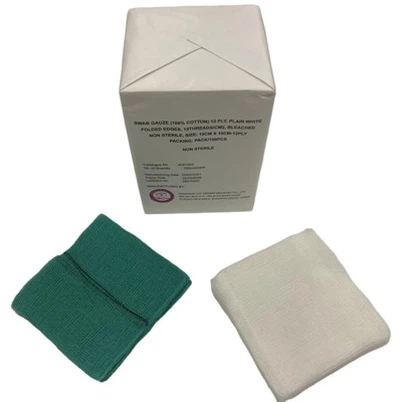
First off, let's talk about what gauze is and what it can do. Gauze is a lightweight, porous fabric that's commonly used in wound care. It's super absorbent, which means it can soak up blood, pus, and other fluids that come out of a wound. This helps keep the wound clean and reduces the risk of infection. We offer a great Absorbent Gauze Roll that's perfect for this job. It's made from high - quality materials and is designed to be gentle on the skin.
Now, let's see how gauze can work together with other wound - care products.
Gauze and Antiseptics
Antiseptics are substances that kill or prevent the growth of microorganisms on the skin. They're a crucial part of wound care as they help prevent infections. When used in combination with gauze, antiseptics can be even more effective.
You can soak a piece of gauze in an antiseptic solution like hydrogen peroxide or iodine. Then, gently place the soaked gauze on the wound. The gauze acts as a carrier for the antiseptic, ensuring that it stays in contact with the wound for a longer time. This way, the antiseptic can do its job of killing bacteria and other germs more effectively.
But be careful! Some antiseptics can be irritating to the skin, especially if used in high concentrations. So, always follow the instructions on the antiseptic product and use it in moderation.
Gauze and Topical Ointments
Topical ointments are another common wound - care product. They can help soothe the skin, reduce pain, and promote healing. When used with gauze, they can provide a protective barrier over the wound.
For example, if you have a burn or a minor abrasion, you can apply a thin layer of an antibiotic ointment or a moisturizing cream to the wound. Then, cover the wound with a piece of gauze. The gauze will hold the ointment in place and prevent it from rubbing off on your clothes or other surfaces. This allows the ointment to work its magic on the wound for a longer period.


Our Tack Rag Cloth can also be used in this situation. It's a bit different from regular gauze as it has a sticky surface that can hold the ointment better and keep it in contact with the wound.
Gauze and Bandages
Bandages are used to hold gauze in place and provide additional support and protection to the wound. There are different types of bandages, such as adhesive bandages, elastic bandages, and triangular bandages.
Adhesive bandages are great for small wounds. You can place a piece of gauze over the wound and then cover it with an adhesive bandage. The bandage will keep the gauze in place and prevent it from falling off.
Elastic bandages are useful for larger wounds or for wounds that need some compression. You can wrap an elastic bandage around the area with the gauze on the wound. This helps reduce swelling and provides support to the injured area.
And then there's the Calico Triangular Bandage. It's a versatile bandage that can be used in many different ways. You can use it to secure a large piece of gauze over a wound, or you can use it as a sling if you have an arm injury.
Benefits of Combining Gauze with Other Products
Combining gauze with other wound - care products has several benefits.
Enhanced Absorbency: When used with antiseptics or ointments, the gauze can absorb not only the wound fluids but also the excess product. This helps keep the wound area clean and dry, which is essential for proper healing.
Better Protection: Bandages used in combination with gauze provide an extra layer of protection against dirt, bacteria, and other contaminants. This reduces the risk of infection and helps the wound heal faster.
Customized Care: Different wounds require different types of care. By combining gauze with other products, you can customize the treatment according to the specific needs of the wound. For example, a deep wound may need more absorbent gauze and a stronger antiseptic, while a superficial wound may only need a simple ointment and a light bandage.
Precautions
While combining gauze with other wound - care products is generally a good idea, there are some precautions you need to take.
Allergic Reactions: Some people may be allergic to certain antiseptics, ointments, or bandage materials. Before using a new product in combination with gauze, do a patch test on a small area of your skin. If you experience any itching, redness, or swelling, stop using the product immediately.
Proper Application: Make sure you apply the products correctly. For example, when using an antiseptic - soaked gauze, don't apply too much pressure on the wound as it can cause further damage. And when using a bandage, don't wrap it too tightly as it can restrict blood flow.
In conclusion, gauze can definitely be used in combination with other wound - care products, and it often provides better results than using gauze alone. Whether you're dealing with a minor cut, a burn, or a more serious wound, combining these products can help you provide the best possible care for the injury.
If you're interested in purchasing high - quality gauze or other wound - care products, feel free to reach out to us for a procurement discussion. We're always happy to help you find the right products for your needs.
References
- Wound Care Basics: A Guide to Understanding and Treating Wounds. American Academy of Dermatology.
- The Role of Gauze in Wound Management. Journal of Wound Care.