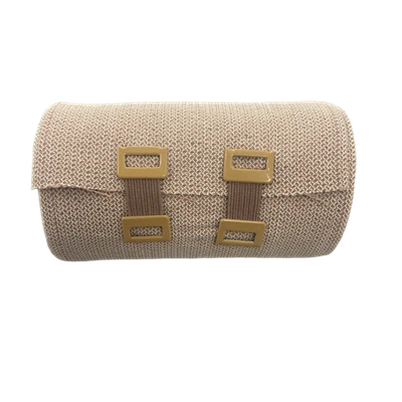

Can wool crepe bandage be used for neck injuries?
Leave a message

Neck injuries can range from minor strains and sprains to more severe traumas, and proper treatment is crucial for a quick and effective recovery. One question that often arises is whether wool crepe bandage can be used for neck injuries. As a supplier of high - quality wool crepe bandages, I'm here to delve into this topic and provide some in - depth insights.
Understanding Neck Injuries
Before discussing the suitability of wool crepe bandages for neck injuries, it's essential to understand the different types of neck injuries. Neck strains typically occur when the muscles or tendons in the neck are overstretched or torn, often due to sudden movements, poor posture, or repetitive motions. Sprains, on the other hand, involve damage to the ligaments in the neck. More severe neck injuries can include fractures, dislocations, or damage to the spinal cord, which usually require immediate medical attention.
Minor neck strains and sprains often present with symptoms such as pain, stiffness, swelling, and limited range of motion. These types of injuries can be managed with proper first - aid measures and supportive care in the initial stages.
Properties of Wool Crepe Bandage
Wool crepe bandages have several unique properties that make them potentially useful for various applications. Firstly, they are made from wool, which is a natural fiber known for its excellent breathability. This means that when the bandage is applied to the skin, air can circulate, reducing the likelihood of skin irritation and discomfort that can sometimes occur with non - breathable materials.
Secondly, wool crepe bandages have a certain degree of elasticity. This elasticity allows the bandage to conform to the shape of the body part being wrapped, in this case, the neck. It can provide a snug but not overly tight fit, which is important for providing support without restricting blood circulation.


The texture of wool crepe bandages is soft, which is gentle on the skin. This is especially important when dealing with sensitive areas like the neck, where rough or abrasive materials could cause further irritation.
Using Wool Crepe Bandage for Neck Injuries
When it comes to using wool crepe bandages for neck injuries, there are both advantages and considerations.
Advantages
- Support: The elasticity of the wool crepe bandage can offer support to the neck muscles and ligaments. It can help stabilize the injured area, reducing the risk of further strain or injury during movement. For example, if a person has a minor neck sprain, the bandage can limit excessive movement of the neck, allowing the damaged tissues to heal.
- Comfort: The soft and breathable nature of the wool makes it comfortable to wear for extended periods. This is beneficial as neck injuries often require continuous support, and a comfortable bandage can encourage the patient to keep it on as recommended.
- Moisture management: Wool has the ability to absorb and wick away moisture. In the case of neck injuries, where sweating can occur due to pain or limited mobility, the wool crepe bandage can help keep the skin dry, reducing the risk of skin infections.
Considerations
- Proper application: It is crucial to apply the wool crepe bandage correctly. If it is wrapped too tightly, it can restrict blood flow to the neck and head, leading to dizziness, numbness, or other complications. On the other hand, if it is too loose, it may not provide adequate support.
- Allergic reactions: Although rare, some people may be allergic to wool. Before using a wool crepe bandage on the neck, it is advisable to test a small area of the skin for any signs of an allergic reaction, such as itching, redness, or swelling.
- Severity of injury: For severe neck injuries, such as fractures or spinal cord damage, a wool crepe bandage is not a substitute for proper medical treatment. In these cases, immediate medical attention and more specialized immobilization devices are required.
Comparison with Other Bandages
There are other types of bandages available in the market, and it's worth comparing wool crepe bandages with them in the context of neck injuries.
- Honeycomb Elastic Bandage: Honeycomb elastic bandages are known for their high elasticity and unique honeycomb structure. They can provide strong support, but they may not be as breathable as wool crepe bandages. In a neck injury scenario, the lack of breathability could potentially lead to skin problems if worn for a long time.
- High Elastic Bandage: High elastic bandages offer a high level of stretchability, which can be useful for providing compression. However, they may not be as soft as wool crepe bandages, and the high - compression force may be too much for some minor neck injuries, causing discomfort or restricting blood flow.
- Cotton Stretch Bandage: Cotton stretch bandages are also breathable and soft. However, they may not have the same level of elasticity as wool crepe bandages, which means they may not conform as well to the shape of the neck and may not provide as much support.
When to Use Wool Crepe Bandage for Neck Injuries
Wool crepe bandages are most suitable for minor neck injuries, such as mild strains and sprains. In the initial stages of these injuries, the bandage can be used as part of the first - aid treatment. It can be applied after the RICE (Rest, Ice, Compression, Elevation) principle has been initiated.
If the neck injury is due to a sudden jolt or over - stretching during physical activity, and the pain and swelling are mild, a wool crepe bandage can be a good option for providing support and comfort while the body heals.
It's important to note that if the symptoms of the neck injury worsen, such as increasing pain, numbness, weakness, or difficulty breathing, medical advice should be sought immediately, and the use of the bandage should be re - evaluated.
How to Apply a Wool Crepe Bandage to the Neck
Proper application of the wool crepe bandage is essential for its effectiveness and safety. Here are the general steps:
- Prepare the bandage: Unroll the wool crepe bandage and make sure it is clean and free from any defects.
- Position the patient: Have the patient sit or stand in a comfortable position with the neck in a neutral position.
- Start wrapping: Begin at the base of the neck, just above the shoulders. Wrap the bandage around the neck in a spiral motion, overlapping each layer by about half of the width of the bandage. Make sure the bandage is not too tight, and the patient can still move their head slightly without discomfort.
- Secure the end: Once the bandage has been wrapped around the neck, secure the end of the bandage with a safety pin or tape.
Conclusion
In conclusion, wool crepe bandages can be a viable option for minor neck injuries. Their unique properties of breathability, elasticity, and softness make them suitable for providing support and comfort. However, proper application and careful consideration of the severity of the injury are necessary.
If you are in the market for high - quality wool crepe bandages for neck injuries or other applications, we are a reliable supplier. Our wool crepe bandages are made from the finest quality wool and are manufactured to meet the highest standards of safety and effectiveness. We are more than happy to discuss your specific needs and requirements. Whether you are a medical professional, a sports team, or an individual looking for a reliable bandage solution, please feel free to reach out to us for procurement and further discussions.
References
- American Academy of Orthopaedic Surgeons. (2023). Neck Strain. Retrieved from [Website URL if available].
- Mayo Clinic. (2023). Neck Pain. Retrieved from [Website URL if available].
- British Medical Journal. (2022). Management of Minor Musculoskeletal Injuries. Retrieved from [Website URL if available].