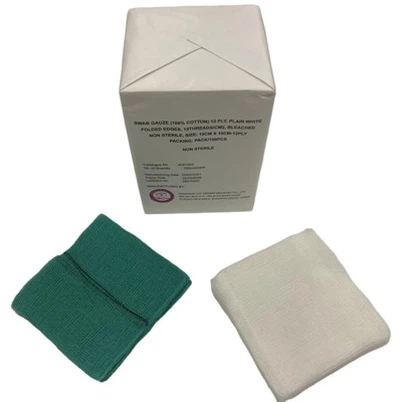

How often should I change the sterile gauze compresses on a wound?
Leave a message

How often should I change the sterile gauze compresses on a wound? This is a common question that patients, caregivers, and medical professionals often grapple with. As a supplier of Sterile Gauze Compresses, I understand the importance of providing accurate information on wound care. In this blog post, I will delve into the factors that determine the frequency of changing sterile gauze compresses and offer some practical guidelines.
Understanding the Role of Sterile Gauze Compresses
Sterile gauze compresses play a crucial role in wound care. They are designed to absorb wound exudate, protect the wound from external contaminants, and provide a moist environment that promotes healing. By keeping the wound clean and dry, sterile gauze compresses help prevent infection and facilitate the natural healing process.
Factors Affecting the Frequency of Changing Sterile Gauze Compresses
The frequency of changing sterile gauze compresses depends on several factors, including the type and size of the wound, the amount of exudate, and the stage of healing. Here are some key factors to consider:
Wound Type and Size
Different types of wounds require different levels of care. For example, a small, clean cut may require less frequent dressing changes compared to a large, open wound or a wound with a high risk of infection. The size of the wound also plays a role, as larger wounds tend to produce more exudate and may require more frequent dressing changes.
Amount of Exudate
The amount of exudate produced by a wound is a significant factor in determining the frequency of dressing changes. Wounds that produce a large amount of exudate, such as burns or pressure ulcers, may require more frequent dressing changes to prevent the buildup of moisture and bacteria. On the other hand, wounds that produce minimal exudate may require less frequent dressing changes.
Stage of Healing
The stage of healing also affects the frequency of dressing changes. In the early stages of wound healing, when the wound is actively producing exudate, more frequent dressing changes may be necessary. As the wound begins to heal and the amount of exudate decreases, the frequency of dressing changes can be reduced.
General Guidelines for Changing Sterile Gauze Compresses
Based on the factors mentioned above, here are some general guidelines for changing sterile gauze compresses:
Fresh Wounds
For fresh wounds, it is recommended to change the dressing within the first 24 to 48 hours to prevent infection and assess the wound's condition. After the initial dressing change, the frequency of dressing changes will depend on the amount of exudate and the stage of healing.
Wounds with Minimal Exudate
If the wound is producing minimal exudate, dressing changes can be done every 2 to 3 days. However, it is important to monitor the wound closely for signs of infection, such as redness, swelling, or increased pain.
Wounds with Moderate to Heavy Exudate
Wounds that produce moderate to heavy exudate may require more frequent dressing changes, typically every 1 to 2 days. In some cases, the dressing may need to be changed more frequently if it becomes saturated or if there are signs of infection.
Chronic Wounds
Chronic wounds, such as pressure ulcers or diabetic foot ulcers, may require more specialized care and more frequent dressing changes. The frequency of dressing changes will depend on the specific characteristics of the wound and the treatment plan recommended by a healthcare professional.
Tips for Changing Sterile Gauze Compresses
When changing sterile gauze compresses, it is important to follow proper wound care techniques to prevent infection and promote healing. Here are some tips to keep in mind:
Wash Your Hands
Before handling the wound or the dressing, wash your hands thoroughly with soap and water or use an alcohol-based hand sanitizer. This helps prevent the transfer of bacteria to the wound.
Use Sterile Technique
When changing the dressing, use sterile gloves and a sterile dressing change kit to prevent contamination. Avoid touching the wound directly with your hands or non-sterile objects.
Remove the Old Dressing
Gently remove the old dressing, taking care not to disturb the wound. If the dressing is stuck to the wound, moisten it with saline solution to make it easier to remove.


Clean the Wound
Clean the wound with a mild, non-irritating cleanser or saline solution. Use a clean, sterile gauze pad to gently wipe the wound, starting from the center and moving outward.
Apply the New Dressing
Apply a fresh, sterile gauze compress to the wound, making sure it covers the entire wound surface. Secure the dressing in place with tape or a bandage.
Monitor the Wound
After changing the dressing, monitor the wound closely for signs of infection, such as redness, swelling, or increased pain. If you notice any changes in the wound's appearance or if you have any concerns, contact your healthcare provider.
Conclusion
The frequency of changing sterile gauze compresses on a wound depends on several factors, including the type and size of the wound, the amount of exudate, and the stage of healing. By following the general guidelines and tips outlined in this blog post, you can ensure that your wound is properly cared for and that the dressing is changed at the appropriate intervals.
If you are in need of high-quality Sterile Gauze Compresses for wound care, we are here to help. Our products are designed to meet the highest standards of quality and safety, and we offer a wide range of options to suit your specific needs. Contact us today to discuss your requirements and explore how our products can support your wound care needs.
References
- American Academy of Dermatology. (n.d.). Wound care basics. Retrieved from [Website URL]
- National Institute for Health and Care Excellence. (2019). Wound management: dressing selection. Retrieved from [Website URL]
- World Health Organization. (2021). Guidelines on hand hygiene in health care. Retrieved from [Website URL]