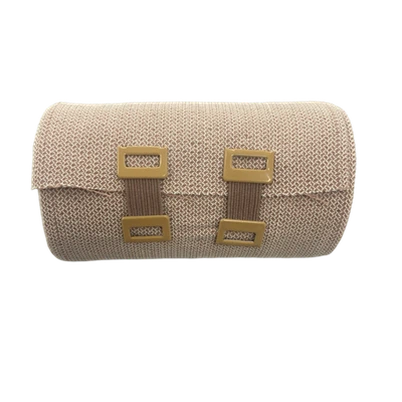

What is the elasticity of a PBT conforming bandage?
Leave a message

Hey there! As a supplier of PBT conforming bandages, I often get asked about the elasticity of these bandages. So, I thought I'd take a moment to break it down for you.
First off, let's understand what elasticity means in the context of a PBT conforming bandage. Elasticity refers to the ability of the bandage to stretch and then return to its original shape. This property is crucial for a bandage as it allows it to fit snugly around different body parts, providing support and compression without being too tight or restrictive.
The elasticity of a PBT conforming bandage is mainly determined by the material it's made of. PBT, or polybutylene terephthalate, is a synthetic polymer known for its excellent elastic properties. When used in bandages, it gives them the ability to stretch up to a certain extent and then bounce back, maintaining a consistent level of compression.
One of the key benefits of the elasticity in PBT conforming bandages is that it provides a customized fit. Whether you're wrapping an ankle, a knee, or an arm, the bandage can stretch to accommodate the shape and size of the body part. This is especially important for patients who need support during physical activities or those recovering from injuries.
For example, if you're an athlete with a sprained ankle, a PBT conforming bandage with good elasticity can provide the right amount of compression to reduce swelling and support the joint. It can also move with your body as you move, ensuring that the bandage stays in place and continues to provide support throughout your activity.
Another advantage of the elasticity in PBT conforming bandages is that it can be adjusted. You can stretch the bandage more or less depending on the level of compression you need. This makes it a versatile option for different types of injuries and conditions.


Now, let's compare the elasticity of PBT conforming bandages with other types of bandages. There are several other types of elastic bandages available in the market, such as Elastic Crepe Bandage 15cm, Cotton Stretch Bandage, and High Elastic Bandage.
Elastic crepe bandages are made of a blend of cotton and synthetic fibers. They have a good amount of stretch, but they may not have the same level of elasticity as PBT conforming bandages. Cotton stretch bandages are mainly made of cotton, which gives them a softer feel but may have less stretch compared to PBT bandages. High elastic bandages, on the other hand, are designed to have a very high level of stretch, but they may not provide the same level of support as PBT conforming bandages.
In terms of durability, PBT conforming bandages are known for their long - lasting elasticity. Unlike some other bandages that may lose their stretch over time, PBT bandages can maintain their elastic properties even after multiple uses. This means that you can get more value out of a PBT conforming bandage, as it will continue to provide support and compression for a longer period.
When it comes to choosing the right bandage, the elasticity is just one factor to consider. You also need to think about the level of compression, the size of the bandage, and the specific needs of the patient. For instance, if you need a bandage for a minor sprain, a bandage with a moderate level of elasticity may be sufficient. But if you're dealing with a more severe injury, you may need a bandage with a higher level of compression and elasticity.
As a supplier of PBT conforming bandages, I can attest to the quality and performance of these products. We source the best PBT materials and use advanced manufacturing techniques to ensure that our bandages have the optimal level of elasticity. Our bandages are also tested rigorously to meet the highest standards of quality and safety.
If you're in the market for high - quality PBT conforming bandages, I'd love to have a chat with you. Whether you're a healthcare provider, a sports team, or an individual looking for a reliable bandage, we can provide you with the right solution. Our team is always ready to answer your questions and help you find the best bandage for your needs. So, don't hesitate to reach out and start a conversation about your bandage requirements.
References:
- Medical Textbooks on Wound Care and Bandaging
- Industry Reports on Bandage Materials and Their Properties