
Can a burn sheet dressing cause an allergic reaction?
Leave a message

Can a burn sheet dressing cause an allergic reaction?
As a supplier of burn sheet dressings, I've encountered numerous inquiries from medical professionals, patients, and caregivers about the potential for allergic reactions to these products. It's a crucial topic that demands thorough exploration, given the sensitive nature of burn injuries and the importance of using safe and effective dressings.
Burn sheet dressings are designed to provide a protective barrier over burn wounds, promoting healing and preventing infection. They come in various forms, including those made from natural materials like cotton and synthetic polymers. While these dressings are generally considered safe, the possibility of an allergic reaction cannot be overlooked.
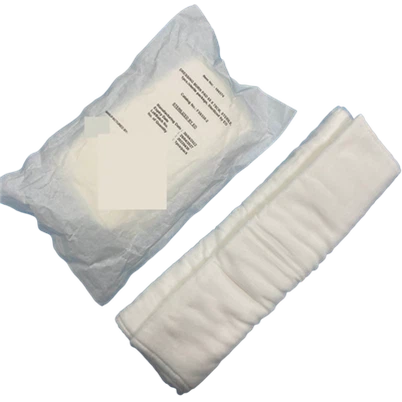
One of the primary factors that can contribute to an allergic reaction is the material used in the dressing. For example, some burn sheet dressings are made from Burn Sheet Dressing, which is a type of gauze that may contain natural fibers. In rare cases, individuals with sensitivities to these fibers may experience an allergic response. Symptoms can range from mild itching and redness to more severe reactions such as swelling, blistering, and difficulty breathing.
Another potential source of allergic reactions is the chemicals and additives used in the manufacturing process of burn sheet dressings. Some dressings may be treated with antimicrobial agents, preservatives, or other substances to enhance their effectiveness. While these additives are typically safe, they can sometimes trigger allergic responses in susceptible individuals.
It's important to note that allergic reactions to burn sheet dressings are relatively rare. Most people can use these products without any issues. However, it's still essential to be aware of the potential risks and take appropriate precautions.
If you or someone you know has a history of allergies, it's crucial to inform your healthcare provider before using a burn sheet dressing. They can help determine if a particular dressing is suitable for you and may recommend alternative options if necessary.
In addition to informing your healthcare provider, it's also a good idea to perform a patch test before using a new burn sheet dressing. To do this, apply a small amount of the dressing to a small area of skin on your inner forearm and wait 24 to 48 hours. If you experience any itching, redness, or other signs of an allergic reaction, do not use the dressing.


When it comes to choosing a burn sheet dressing, it's important to select a high-quality product from a reputable supplier. Look for dressings that are made from hypoallergenic materials and have been tested for safety and effectiveness. You may also want to consider dressings that are specifically designed for sensitive skin or individuals with allergies.
At our company, we take pride in offering a wide range of burn sheet dressings that are made from high-quality materials and are designed to meet the needs of our customers. Our Burn Sheet Dressing is made from a soft, absorbent material that provides a comfortable and protective barrier over burn wounds. It is also hypoallergenic and free from common allergens, making it suitable for individuals with sensitive skin.
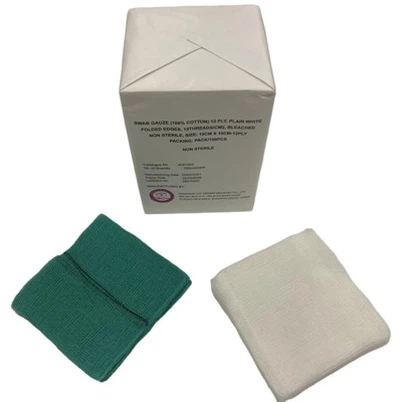
In addition to our burn sheet dressings, we also offer a variety of other wound care products, including Cheesecloth Gauze and Non Sterile Gauze Swabs. These products are designed to provide effective wound care and are suitable for a variety of applications.
If you're interested in learning more about our burn sheet dressings or other wound care products, please don't hesitate to contact us. Our team of experts is available to answer your questions and provide you with the information you need to make an informed decision. We look forward to working with you to provide the best possible wound care solutions for your patients.
References
- American Academy of Dermatology. (2023). Allergic contact dermatitis. Retrieved from https://www.aad.org/public/diseases/a-z/contact-dermatitis-allergic
- National Institute of Allergy and Infectious Diseases. (2023). Allergies. Retrieved from https://www.niaid.nih.gov/diseases-conditions/allergies
- World Health Organization. (2023). Burn care. Retrieved from https://www.who.int/health-topics/burn-care#tab=tab_1