
How do I store an opened absorbent gauze roll?
Leave a message

As a supplier of absorbent gauze rolls, I understand the importance of proper storage for opened products. Absorbent gauze rolls are widely used in medical, first - aid, and various industrial applications. Once a roll is opened, it is exposed to the environment, which can potentially lead to contamination and reduced effectiveness. In this blog, I will share some scientific and practical methods on how to store an opened absorbent gauze roll.
Understanding the Properties of Absorbent Gauze
Before delving into storage methods, it's crucial to understand the nature of absorbent gauze. Absorbent gauze is typically made of cotton or other fibrous materials. It is designed to be highly absorbent, which means it can easily soak up liquids such as blood, wound exudate, or cleaning solutions. However, this absorbent property also makes it vulnerable to moisture, dust, and microorganisms.
The Risks of Improper Storage
If an opened absorbent gauze roll is not stored correctly, several problems can occur. Firstly, exposure to moisture can cause the gauze to become damp, which may lead to the growth of mold and bacteria. This can compromise the sterility of the gauze and make it unsafe for use. Secondly, dust and other particles in the air can adhere to the gauze, introducing potential contaminants. Finally, improper storage can also cause the gauze to lose its flexibility and absorbency over time.
Recommended Storage Conditions
- Temperature and Humidity
- The ideal temperature for storing opened absorbent gauze rolls is between 15°C and 25°C (59°F - 77°F). This temperature range helps to maintain the integrity of the gauze and prevent the growth of microorganisms.
- Humidity should be kept at a relatively low level, preferably between 30% and 60%. High humidity can lead to moisture absorption by the gauze, while low humidity can cause the gauze to become dry and brittle.
- Light Exposure
- Absorbent gauze should be stored in a dark place or in a container that blocks light. Ultraviolet (UV) light can degrade the fibers of the gauze over time, reducing its strength and absorbency.
- Air Circulation
- While it's important to protect the gauze from dust and contaminants, some air circulation is necessary to prevent the build - up of moisture. However, the air should be clean and free of pollutants.
Storage Containers
- Sealable Plastic Bags
- One of the simplest and most cost - effective ways to store an opened absorbent gauze roll is in a sealable plastic bag. Make sure to squeeze out as much air as possible before sealing the bag to reduce the risk of moisture and dust entering.
- Plastic Containers
- A plastic container with a tight - fitting lid can also be used. This provides more protection than a plastic bag and can be easily labeled with the date of opening and other relevant information.
- Sterile Storage Cases
- For medical applications, sterile storage cases are highly recommended. These cases are designed to maintain the sterility of the gauze and are often made of materials that are resistant to moisture and microorganisms.
Steps for Storing an Opened Absorbent Gauze Roll
- Clean Hands
- Before handling the opened gauze roll, make sure your hands are clean. Wash your hands thoroughly with soap and water or use an alcohol - based hand sanitizer.
- Cut the Required Amount
- If you need to use only a portion of the gauze roll, cut the required amount with clean scissors. Avoid touching the unused part of the roll with your hands.
- Re - seal the Roll
- If the roll has a built - in dispenser or seal, re - seal it tightly. If not, use a sealable plastic bag or container as described above.
- Label the Container
- Write the date of opening on the container or bag. This will help you keep track of how long the gauze has been open and when it may need to be replaced.
Special Considerations for Medical Use
In medical settings, the storage of opened absorbent gauze rolls is even more critical. Medical gauze is often used for wound care, and any contamination can lead to serious infections.
- Sterility Maintenance
- If the gauze is intended for use in a sterile environment, such as an operating room or a wound dressing change, it should be stored in a sterile container. The container should be opened only when the gauze is needed, and any unused portion should be discarded.
- Expiration Dates
- Pay attention to the expiration date of the gauze. Even if the gauze has been stored properly, it may lose its effectiveness over time. Do not use gauze that has expired.
Related Products for Different Needs
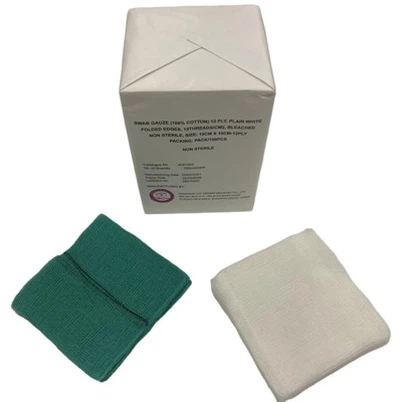
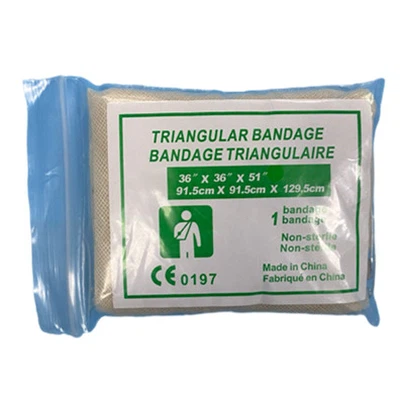
As a supplier, we offer a variety of related products that can be used in conjunction with absorbent gauze rolls. For example, Sterile Gauze Compresses are pre - cut and sterile, which are convenient for quick wound dressing. WOW Gauze Bandage is a high - quality cotton gauze bandage that provides excellent support and absorbency. And Calico Triangular Bandage is useful for various first - aid applications, such as immobilizing injured limbs.
Conclusion
Proper storage of an opened absorbent gauze roll is essential to maintain its quality and safety. By following the recommended storage conditions and using appropriate containers, you can ensure that the gauze remains in good condition and ready for use. If you have any questions about our absorbent gauze rolls or other related products, or if you are interested in purchasing, please feel free to contact us for further discussions. We are committed to providing high - quality products and excellent customer service.


References
- American Society for Testing and Materials (ASTM). Standard specifications for absorbent gauze.
- Centers for Disease Control and Prevention (CDC). Guidelines for infection control in healthcare settings.
- World Health Organization (WHO). Best practices for wound care.