
Can eab bandages be used for ankle injuries?
Leave a message

Hey there! As an EAB bandage supplier, I often get asked if EAB bandages can be used for ankle injuries. Well, let's dive right into it and find out.
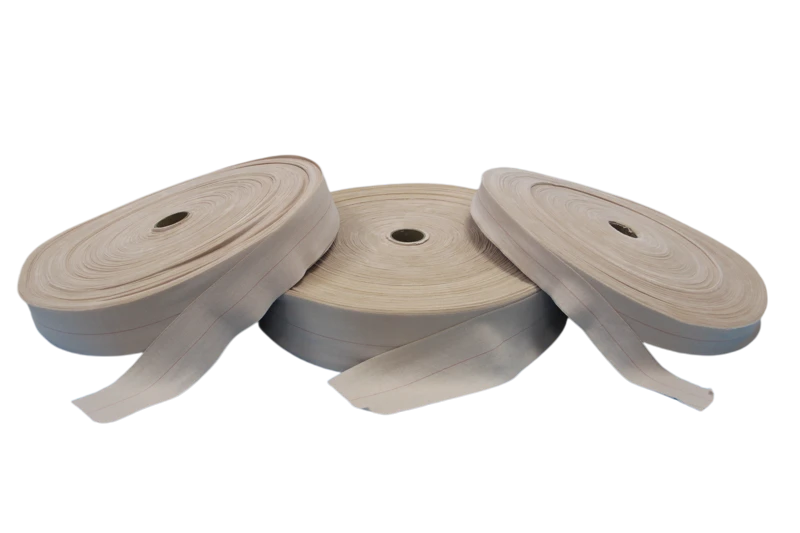
First off, what exactly are EAB bandages? EAB stands for Elastic Adhesive Bandage. You can check out more about EAB Bandage on our website. These bandages are made of Elastic Adhesive Bandage Fabric Material, which gives them the stretchy and sticky properties that make them so useful.

Now, let's talk about ankle injuries. Ankles are pretty vulnerable parts of our body. We use them all the time for walking, running, jumping, and all sorts of activities. And because of that constant use, they're prone to sprains, strains, and other injuries.
So, can EAB bandages be used for ankle injuries? The short answer is yes, and here's why.
Support and Stability
One of the main benefits of using an EAB bandage for an ankle injury is the support and stability it provides. When you sprain your ankle, the ligaments get stretched or torn. This can make your ankle feel weak and unstable. An EAB bandage can help hold the ankle in place and prevent it from moving around too much. It acts like an extra layer of support, kind of like a brace.
For example, if you've had a minor ankle sprain, wrapping it with an EAB bandage can help you walk more comfortably. The bandage keeps your ankle in a proper position, reducing the risk of further injury while you're on the move.
Compression
Compression is another important factor when it comes to treating ankle injuries. When you wrap an EAB bandage around your ankle, it creates compression. This compression helps to reduce swelling by limiting the amount of fluid that can accumulate in the injured area.
Swelling is a natural response to injury, but too much swelling can slow down the healing process. By using an EAB bandage to apply gentle compression, you can help control the swelling and promote faster recovery.
Flexibility
Unlike some rigid braces, EAB bandages offer a good amount of flexibility. This means you can still move your ankle to a certain extent while it's wrapped. This is great for people who don't want to be completely immobilized after an ankle injury.
For instance, if you have a job that requires you to be on your feet, an EAB bandage can allow you to keep working while your ankle heals. You can still perform basic movements without feeling too restricted.
Different Types of EAB Bandages
We also have Light Elastic Adhesive Bandage available. These are great for mild ankle injuries or for people who prefer a lighter touch. They still provide support and compression but are less bulky and more breathable.
On the other hand, if you have a more severe ankle injury, you might want to use a thicker and more supportive EAB bandage. It all depends on the nature and severity of your injury.
How to Use EAB Bandages for Ankle Injuries
Using an EAB bandage for an ankle injury is relatively easy, but there are a few things you need to keep in mind.
First, make sure your ankle is clean and dry before you start wrapping. This helps the bandage stick better.
Next, start at the base of your toes and wrap the bandage around your foot in a figure-eight pattern. This pattern provides the best support and stability for your ankle. Make sure the bandage is snug but not too tight. You should still be able to wiggle your toes and feel some circulation in your foot.
If you're not sure how to wrap the bandage properly, there are plenty of online tutorials that can show you step by step.
Precautions
Although EAB bandages are generally safe to use for ankle injuries, there are a few precautions you should take.
Don't leave the bandage on for too long. It's important to give your ankle some time to breathe. Remove the bandage every few hours to check for any signs of skin irritation or numbness. If you notice any redness, swelling, or pain that gets worse, remove the bandage immediately and consult a doctor.
Also, if you have a severe ankle injury, like a broken bone or a deep tear, an EAB bandage is not a substitute for professional medical treatment. You should always seek medical advice as soon as possible.
Conclusion
In conclusion, EAB bandages can be a great option for treating ankle injuries. They provide support, stability, compression, and flexibility, which are all important factors in the healing process. Whether you have a minor sprain or a more serious injury, there's an EAB bandage that can suit your needs.
If you're interested in purchasing EAB bandages for ankle injuries or any other applications, we'd love to chat with you. We offer high-quality EAB bandages at competitive prices. Just reach out to us for a friendly chat about your requirements, and we'll do our best to help you find the right product.
References
- Medical textbooks on sports injuries and first aid.
- Articles from reputable medical journals on the use of elastic bandages in injury treatment.