
Can sterile lap sponges be used in orthopedic surgeries?
Leave a message

Can Sterile Lap Sponges Be Used in Orthopedic Surgeries?
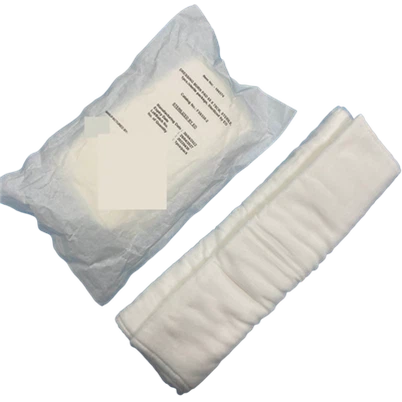
Orthopedic surgeries are complex procedures that demand the highest standards of sterility and precision. Among the numerous medical supplies used in these operations, sterile lap sponges play a crucial role. As a trusted supplier of sterile lap sponges, I am often asked about their suitability and application in orthopedic surgeries. In this blog, I will explore the use of sterile lap sponges in orthopedic surgeries, discussing their benefits, potential risks, and best practices.
The Role of Sterile Lap Sponges in Orthopedic Surgeries
Sterile lap sponges are highly absorbent medical devices made from materials such as cotton or synthetic fibers. They are designed to absorb blood, body fluids, and other liquids during surgical procedures, keeping the surgical field clean and dry. In orthopedic surgeries, where bleeding is common due to the manipulation of bones and soft tissues, sterile lap sponges are essential for maintaining a clear view of the surgical site and preventing contamination.
One of the primary functions of sterile lap sponges in orthopedic surgeries is to control bleeding. By applying pressure to the bleeding area with a sterile lap sponge, surgeons can effectively reduce blood loss and improve visibility. Additionally, the absorbent nature of the sponges helps to prevent the accumulation of blood and fluids, which can interfere with the surgical procedure and increase the risk of infection.
Another important role of sterile lap sponges is to protect the surgical wound. During orthopedic surgeries, the skin and underlying tissues are often incised to access the affected area. Sterile lap sponges can be used to cover the wound edges, preventing contamination from external sources and reducing the risk of postoperative infections. Moreover, the soft and gentle texture of the sponges minimizes trauma to the surrounding tissues, promoting faster healing.
Benefits of Using Sterile Lap Sponges in Orthopedic Surgeries
There are several benefits to using sterile lap sponges in orthopedic surgeries. Firstly, their high absorbency ensures that blood and fluids are quickly and efficiently removed from the surgical field, allowing surgeons to work with greater precision. This not only improves the outcome of the surgery but also reduces the risk of complications such as infection and tissue damage.
Secondly, sterile lap sponges are designed to be lint-free, which means they do not shed fibers or particles during use. This is particularly important in orthopedic surgeries, where even small foreign bodies can cause inflammation and infection. By using lint-free sponges, surgeons can minimize the risk of introducing contaminants into the surgical site, ensuring a safer and more successful procedure.
Thirdly, sterile lap sponges are available in a variety of sizes and shapes, allowing surgeons to choose the most appropriate sponge for the specific surgical procedure. This flexibility ensures that the sponges can be used effectively in different anatomical locations and surgical techniques, providing optimal coverage and absorbency.
Finally, sterile lap sponges are individually packaged and sterilized, ensuring their safety and effectiveness. This eliminates the need for in-house sterilization, which can be time-consuming and costly. By using pre-packaged sterile lap sponges, healthcare facilities can streamline their surgical processes and reduce the risk of cross-contamination.
Potential Risks and Considerations
While sterile lap sponges are generally safe and effective, there are some potential risks and considerations associated with their use in orthopedic surgeries. One of the main concerns is the risk of retained sponges. Retained surgical sponges are a serious complication that can lead to infection, abscess formation, and other adverse outcomes. To minimize this risk, it is essential to follow strict counting procedures and ensure that all sponges are accounted for before and after the surgery.


Another potential risk is the allergic reaction to the materials used in the sponges. Some patients may be allergic to cotton or other synthetic fibers, which can cause skin irritation, itching, and other allergic symptoms. To prevent allergic reactions, it is important to use hypoallergenic sponges and to test the patient's skin for sensitivity before using the sponges.
In addition, the improper use of sterile lap sponges can also increase the risk of complications. For example, using a dirty or contaminated sponge can introduce bacteria and other pathogens into the surgical site, leading to infection. It is important to follow proper aseptic techniques and to use only sterile sponges during the surgery.
Best Practices for Using Sterile Lap Sponges in Orthopedic Surgeries
To ensure the safe and effective use of sterile lap sponges in orthopedic surgeries, it is important to follow best practices. Firstly, it is essential to use only sterile lap sponges that have been properly packaged and sterilized. This can help to prevent the introduction of contaminants into the surgical site and reduce the risk of infection.
Secondly, it is important to follow strict counting procedures to ensure that all sponges are accounted for before and after the surgery. This can help to prevent the retention of sponges, which can lead to serious complications.
Thirdly, it is important to use the appropriate size and shape of the sponge for the specific surgical procedure. This can help to ensure optimal coverage and absorbency, reducing the risk of blood and fluid accumulation.
Fourthly, it is important to handle the sponges with clean hands and to avoid touching the non-sterile surfaces. This can help to prevent the contamination of the sponges and reduce the risk of infection.
Finally, it is important to dispose of the used sponges properly. Used sponges should be placed in a biohazard container and disposed of according to the hospital's waste management policies. This can help to prevent the spread of infection and protect the environment.
Conclusion
In conclusion, sterile lap sponges are an essential component of orthopedic surgeries. They play a crucial role in controlling bleeding, protecting the surgical wound, and maintaining a clean and dry surgical field. While there are some potential risks and considerations associated with their use, these can be minimized by following strict counting procedures, using proper aseptic techniques, and disposing of the used sponges properly.
As a supplier of sterile lap sponges, I am committed to providing high-quality products that meet the needs of healthcare facilities and surgeons. Our sterile lap sponges are made from the finest materials and are individually packaged and sterilized to ensure their safety and effectiveness. We also offer a wide range of sizes and shapes to meet the specific requirements of different surgical procedures.
If you are interested in learning more about our sterile lap sponges or would like to discuss your procurement needs, please do not hesitate to contact us. We would be happy to provide you with more information and to assist you in making the right choice for your healthcare facility.
In addition to sterile lap sponges, we also offer a variety of other medical supplies, including Burn Sheet Dressing, Petroleum Jelly Gauze Dressing, and Absorbent Gauze Roll. These products are designed to meet the diverse needs of healthcare facilities and patients, providing high-quality and cost-effective solutions.
References
- American Academy of Orthopaedic Surgeons. (2023). Surgical Site Infections in Orthopaedic Surgery. Retrieved from [Website URL]
- Centers for Disease Control and Prevention. (2023). Guidelines for Preventing Healthcare-Associated Pneumonia, 2023. Retrieved from [Website URL]
- World Health Organization. (2023). Surgical Safety Checklist. Retrieved from [Website URL]