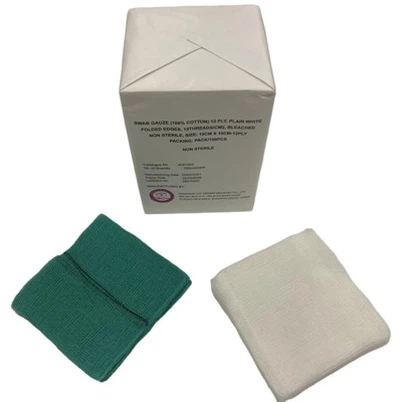

Do bandages protect against dirt?
Leave a message

Hey there! As a bandage supplier, I've been getting a lot of questions lately about whether bandages actually protect against dirt. Well, let's dive right into it and find out!
First off, let's understand what bandages are and how they work. Bandages are essentially materials that we use to cover wounds. They come in all sorts of shapes, sizes, and types, each designed for different purposes. For example, we've got the Short Stretch Compression Bandage, which is great for providing compression to areas that need it, like swollen limbs. Then there's the First Aid Dressing Bandage, which is a go - to for minor cuts and scrapes. And don't forget the Ice Compression Bandage, which combines the benefits of ice and compression for injuries.


So, do they protect against dirt? The short answer is yes, but it depends on a few factors.
How Bandages Protect Against Dirt
One of the main ways bandages protect against dirt is by creating a physical barrier. When you place a bandage over a wound, it acts like a shield. It stops dirt, dust, and other debris from directly coming into contact with the open wound. For instance, if you've got a scrape on your knee from falling while cycling, putting on a bandage will prevent dirt from the ground from getting into the wound. This is crucial because dirt can introduce bacteria and other harmful pathogens, which can lead to infections.
Bandages also help keep the wound clean by absorbing any fluids that might be coming out of the wound. Blood, pus, and other exudates can attract dirt. By soaking up these fluids, the bandage reduces the chances of dirt sticking to the wound area. For example, a First Aid Dressing Bandage is designed to absorb blood and other fluids effectively, keeping the wound area relatively clean.
Factors Affecting Bandage's Dirt - Protection Ability
The type of bandage matters a lot. Some bandages are more porous than others. A porous bandage might let some small particles of dirt through, especially if it's not a tight - fitting one. On the other hand, a non - porous bandage, like some plastic - backed bandages, provides a better barrier against dirt. However, non - porous bandages can sometimes trap moisture, which can create its own problems, like making the wound area too wet and promoting the growth of bacteria.
The fit of the bandage is also crucial. If a bandage is too loose, it can shift around, leaving gaps where dirt can get in. For example, if you put a bandage on your finger but it's not wrapped tightly enough, it might slide off or move, allowing dirt to reach the wound. A well - fitted bandage that conforms to the shape of the body part where the wound is located provides better protection against dirt.
The environment plays a role as well. If you're in a very dirty environment, like a construction site or a farm, the bandage will face more challenges in protecting against dirt. In these situations, you might need to change the bandage more frequently to ensure that it's still providing effective protection.
Different Bandages and Their Dirt - Protection Levels
Let's take a closer look at the different types of bandages I mentioned earlier and how they protect against dirt.
The Short Stretch Compression Bandage is mainly used for compression, but it also offers some protection against dirt. Its tight - fitting nature means that it can form a good seal around the area it's wrapped around. This helps prevent dirt from getting in. However, since it's often used on larger areas like legs, it might require more careful application to ensure there are no gaps.
The First Aid Dressing Bandage is excellent for minor wounds. It's designed to cover the wound snugly and absorb fluids. The absorbent pad in the center of the bandage not only helps with fluid management but also acts as an extra layer of protection against dirt. It's a popular choice for everyday cuts and scrapes because it provides a good balance between dirt protection and comfort.
The Ice Compression Bandage has a dual function. While it's great for reducing swelling and pain with the ice component, it also protects against dirt. The outer layer of the bandage acts as a physical barrier, similar to other bandages. And the compression aspect helps keep the bandage in place, reducing the chances of dirt getting in.
Limitations of Bandages in Protecting Against Dirt
Bandages aren't perfect. They can't completely eliminate the risk of dirt getting into the wound. As I mentioned earlier, porous bandages can let small dirt particles through. Also, if the bandage gets damaged or torn, its dirt - protection ability is compromised. For example, if you accidentally catch a bandage on something sharp, it might tear, creating an opening for dirt to enter.
Over time, bandages can lose their effectiveness. As they absorb fluids and get saturated, they become less able to protect against dirt. That's why it's important to change bandages regularly, especially if they're wet or dirty.
Maintaining Bandage's Dirt - Protection
To make sure your bandage is doing its job of protecting against dirt, you need to take some steps.
First, clean the wound properly before applying the bandage. If there's already dirt in the wound, simply putting on a bandage won't solve the problem. Wash the wound gently with mild soap and water, and pat it dry. This will remove any existing dirt and reduce the chances of infection.
Change the bandage regularly. As I said, a saturated or dirty bandage is less effective at protecting against dirt. Check the bandage often, and if it looks wet, dirty, or damaged, replace it with a new one.
Make sure the bandage is applied correctly. Follow the instructions on the packaging. If it's a self - adhesive bandage, press it down firmly around the edges to ensure a good seal.
Conclusion
In conclusion, bandages do protect against dirt, but their effectiveness depends on the type of bandage, how well it's applied, and the environment. They create a physical barrier, absorb fluids, and help keep the wound area clean. However, they have their limitations, and proper wound care and bandage maintenance are essential.
If you're looking for high - quality bandages that offer great protection against dirt, we've got you covered. Our Short Stretch Compression Bandage, First Aid Dressing Bandage, and Ice Compression Bandage are all designed with dirt - protection in mind. We're committed to providing the best bandages for your needs.
If you're interested in purchasing our bandages for your business or personal use, we'd love to have a chat with you. Contact us to discuss your requirements and start a procurement process. We can offer you great deals and high - quality products.
References
- "Wound Care Basics" by American Academy of Dermatology
- "Bandage Types and Their Uses" from the World Health Organization's wound care guidelines