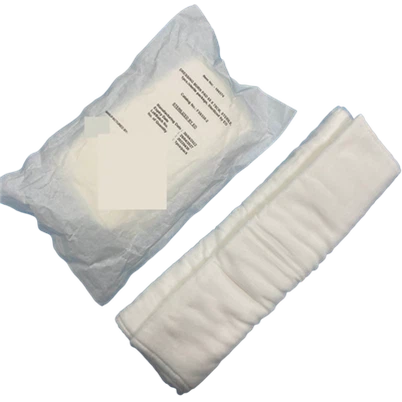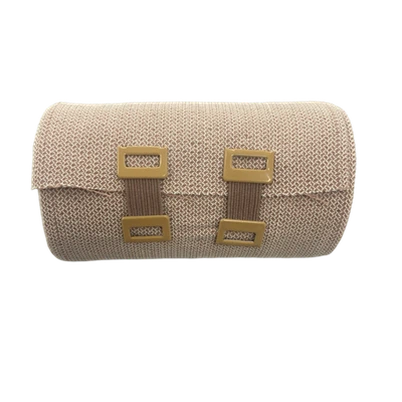

Do side woven gauze bandages have a good tensile strength?
Leave a message

As a supplier of side woven gauze bandages, I often get asked about the tensile strength of these bandages. People want to know if they can rely on them to hold up under pressure, especially in medical and first - aid situations. In this blog, I'll dive deep into the topic of whether side woven gauze bandages have good tensile strength.
What is Tensile Strength?
First off, let's quickly define tensile strength. Tensile strength is the maximum amount of tensile (pulling) stress that a material can take before it breaks or fails. For bandages, this means how much force they can withstand when being stretched without tearing apart. It's a crucial factor because bandages need to stay intact when wrapped around a body part, whether it's for wound dressing or support.
Factors Affecting the Tensile Strength of Side Woven Gauze Bandages
Material Quality
The quality of the raw materials used to make side woven gauze bandages plays a huge role in their tensile strength. Most side woven gauze bandages are made from cotton or a cotton - polyester blend. High - quality cotton fibers are strong and flexible, which contribute to better tensile strength. Polyester, on the other hand, can add extra durability and resistance to stretching. If the supplier uses low - grade materials, the bandage is likely to have a lower tensile strength and may break easily.
Weaving Technique
The side weaving technique is unique to these bandages. In side woven bandages, the edges are woven in a special way that helps to prevent fraying. A well - executed side weaving process can actually enhance the overall tensile strength of the bandage. The tightness of the weave also matters. A tighter weave generally means more fibers are holding the bandage together, resulting in a stronger product. For example, if the weaving is too loose, the bandage might stretch more easily and be more prone to tearing.
Bandage Thickness
Thicker side woven gauze bandages usually have better tensile strength. A thicker bandage has more layers of fibers, which means there are more materials to resist the pulling force. However, it's important to strike a balance. If a bandage is too thick, it might not be as flexible or comfortable to use. So, manufacturers need to find the sweet spot where the bandage has good tensile strength without sacrificing usability.

Testing the Tensile Strength of Side Woven Gauze Bandages
At our place, we don't just assume that our side woven gauze bandages have good tensile strength. We put them through rigorous testing. We use specialized equipment to apply a controlled pulling force to the bandages until they break. This gives us an accurate measurement of their tensile strength. We also test different samples from each batch to make sure there's consistency in the product quality.

Comparing with Other Types of Bandages
Tubular Elastic Net Bandage
When compared to Tubular Elastic Net Bandage, side woven gauze bandages have a different kind of tensile strength. Tubular elastic net bandages are designed to be stretchy and conform to the shape of the body part. They have good elasticity, but their tensile strength might not be as high as that of side woven gauze bandages in terms of withstanding a direct pulling force. Side woven gauze bandages are more rigid and can handle more pressure in a straight - on pull.

First Aid Dressing Bandage
First Aid Dressing Bandage is another type of bandage. Some first - aid dressing bandages are made to be absorbent and soft, which might mean they have a lower tensile strength compared to side woven gauze bandages. Side woven gauze bandages are often used for more heavy - duty applications where they need to hold up well under tension, like in orthopedic support or for large - area wound dressing.
Real - World Applications and Tensile Strength Requirements
In medical settings, side woven gauze bandages are used for various purposes. For example, in post - surgical wound dressing, they need to be able to hold the dressing in place without tearing. The bandage is wrapped around the wound area, and it may be under some pressure from the movement of the patient. So, good tensile strength is essential to ensure that the bandage stays intact and the wound remains properly covered.
In sports medicine, side woven gauze bandages are used to support joints. When an athlete is moving, the bandage is subjected to repeated stretching and pulling. If the bandage doesn't have good tensile strength, it will quickly lose its shape and effectiveness, and the athlete might not get the support they need.
Conclusion: Do Side Woven Gauze Bandages Have Good Tensile Strength?
In general, side woven gauze bandages can have good tensile strength, especially when they are made with high - quality materials, using proper weaving techniques, and have an appropriate thickness. However, it's important to note that the tensile strength can vary depending on the specific product and manufacturer.
If you're in the market for side woven gauze bandages, make sure to look for a reliable supplier. At our company, we're committed to providing high - quality Side Woven Gauze Bandage with excellent tensile strength. We understand the importance of these bandages in medical and other applications, and we work hard to ensure that our products meet the highest standards.
If you're interested in purchasing side woven gauze bandages or want to learn more about their tensile strength and other features, feel free to reach out to us. We're always happy to have a chat and discuss your specific needs. We can provide samples and detailed information to help you make an informed decision.
References
- ASTM International. Standard test methods for tensile properties of textile fabrics.
- Medical Textile Journal. Studies on the mechanical properties of different types of bandages.