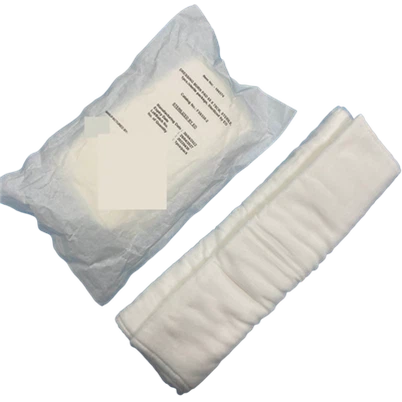

What is the thickness of folded gauze?
Leave a message

When it comes to medical supplies, folded gauze is a staple in healthcare settings, first - aid kits, and various medical procedures. As a trusted folded gauze supplier, I've received numerous inquiries about the thickness of folded gauze. In this blog post, I'll delve into what determines the thickness of folded gauze, why it matters, and how our products stand out in the market.
Understanding the Basics of Folded Gauze
Folded gauze is a versatile medical product made from woven cotton or other suitable materials. It is folded into specific dimensions to create a compact and easy - to - use form. The primary purpose of folded gauze is to absorb blood, clean wounds, and provide a sterile barrier.
The thickness of folded gauze is not a one - size - fits - all concept. It can vary based on several factors, including the number of layers, the type of material used, and the intended application.
Factors Affecting the Thickness of Folded Gauze
Number of Layers
One of the most significant factors influencing the thickness of folded gauze is the number of layers. A single - layer gauze will be much thinner than a multi - layer one. For example, a basic two - layer folded gauze will have a certain thickness, but if you increase it to four or eight layers, the thickness will increase proportionally. In medical applications, more layers often mean greater absorbency. For instance, in surgical procedures where there is a significant amount of blood loss, a thicker, multi - layer folded gauze is preferred.
Material Type
The type of material used to make the gauze also plays a crucial role in determining its thickness. Cotton is a common material for folded gauze due to its absorbent and breathable properties. However, different grades of cotton can result in different thicknesses. High - quality, tightly woven cotton will be denser and thicker compared to a looser - woven cotton. Synthetic materials can also be used in the production of folded gauze. These materials may have different thickness characteristics depending on their composition and manufacturing process.
Manufacturing Process
The way the gauze is folded and processed can impact its thickness. Precision folding techniques ensure that the layers are evenly stacked, resulting in a consistent thickness throughout the product. Some manufacturing processes may also involve compressing the gauze to reduce its volume while maintaining its absorbency. This can lead to a thinner yet still effective folded gauze.
Why Thickness Matters
The thickness of folded gauze is directly related to its functionality. A thicker gauze can absorb more fluids, making it ideal for heavy - bleeding wounds. In contrast, a thinner gauze may be more suitable for lighter applications, such as cleaning minor cuts or applying topical medications.
In addition, the thickness can affect the flexibility and conformability of the gauze. Thicker gauze may be less flexible but more rigid, which can be beneficial in certain situations where a firm barrier is required. Thinner gauze, on the other hand, can easily conform to the shape of the wound, providing better coverage.
Our Folded Gauze Products
As a folded gauze supplier, we offer a wide range of products with different thicknesses to meet the diverse needs of our customers. Our products are made from high - quality materials and undergo strict quality control measures to ensure their reliability and performance.
We have Non Sterile Gauze Swabs, which are available in various thicknesses. These swabs are great for general cleaning and non - critical applications. They are made from soft, absorbent cotton and are designed to be gentle on the skin.
Our Petroleum Jelly Gauze Dressing is another popular product. The thickness of this dressing is carefully calibrated to provide the right balance of protection and flexibility. The petroleum jelly coating helps to keep the wound moist and promotes healing.
We also offer Compressed Krinkle Gauze. This type of gauze is unique because it is compressed to reduce its volume while maintaining its absorbency. It can be easily expanded when needed, making it a convenient option for first - aid kits and emergency situations.
How to Choose the Right Thickness
Choosing the right thickness of folded gauze depends on the specific application. For minor cuts and scrapes, a thinner, single - or double - layer gauze may be sufficient. These types of gauze are easy to apply and provide basic protection.
For more serious injuries, such as deep wounds or surgical incisions, a thicker, multi - layer gauze is recommended. This type of gauze can absorb a large amount of blood and provide a more substantial barrier against infection.
It's also important to consider the size of the wound. A larger wound may require a larger and thicker piece of gauze to ensure proper coverage.
Conclusion
The thickness of folded gauze is a critical factor that affects its performance and suitability for different medical applications. As a folded gauze supplier, we understand the importance of providing high - quality products with the right thickness. Our diverse range of products, including Non Sterile Gauze Swabs, Petroleum Jelly Gauze Dressing, and Compressed Krinkle Gauze, are designed to meet the varying needs of our customers.


If you're in the market for high - quality folded gauze, we invite you to reach out to us for a detailed discussion. Whether you're a healthcare provider, a first - aid kit manufacturer, or an individual looking for reliable medical supplies, we're here to help you find the right product for your needs.
References
- "Medical Textiles: Design, Development and Applications" by S. M. Hearle.
- "Handbook of Nonwovens" edited by S. K. Batra.