
How to apply a cotton gauze bandage correctly?
Leave a message

Properly applying a cotton gauze bandage is a fundamental skill that can significantly impact the healing process of wounds. As a trusted cotton gauze bandage supplier, we understand the importance of not only providing high - quality products but also educating our customers on their correct usage. In this blog, we'll guide you through the steps of applying a cotton gauze bandage correctly.
Understanding the Types of Cotton Gauze Bandages
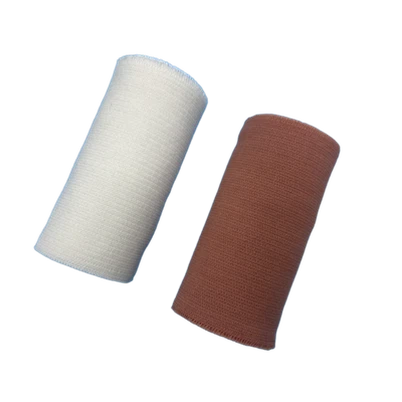
Before we delve into the application process, it's essential to know the different types of cotton gauze bandages available. One of the popular options is the WOW Gauze Bandage. This bandage is known for its soft texture and excellent absorbency, making it suitable for a wide range of wounds. Another option is the Sterile Gauze Bandage Roll. As the name suggests, it is sterile, which is crucial for preventing infections in open wounds.
Pre - application Preparation
- Gather Necessary Supplies:
- First, you need to have the appropriate cotton gauze bandage. Depending on the size and location of the wound, choose the right width and length of the bandage. For small wounds, a narrower bandage may suffice, while larger wounds may require a wider one.
- You'll also need a pair of clean scissors to cut the bandage if necessary, and clean gloves to prevent contamination of the wound.
- Clean the Wound:
- Wash your hands thoroughly with soap and water before handling the wound. Put on the clean gloves.
- Gently clean the wound with mild soap and water. Pat the area dry with a clean, soft cloth. Avoid rubbing the wound, as this can cause further damage and delay the healing process.
Applying the Cotton Gauze Bandage
- Initial Placement:
- Unroll a small portion of the cotton gauze bandage. Place the end of the bandage over the center of the wound. Make sure the bandage covers the entire wound area.
- If the wound is on a limb, start the bandage at the end closest to the body. For example, if the wound is on the forearm, start wrapping from the wrist.
- Wrapping Technique:
- Hold the bandage tightly but not too tightly to cut off circulation. Begin to wrap the bandage around the affected area in a spiral motion. Each layer of the bandage should overlap the previous layer by about one - half to two - thirds.
- As you wrap, keep the bandage flat and smooth. Avoid creating wrinkles or folds, as these can cause pressure points and discomfort for the patient.
- Securing the Bandage:
- Once you have wrapped the bandage around the wound the required number of times, use the clean scissors to cut the bandage.
- Secure the end of the bandage. You can use medical tape, safety pins (although these should be used with caution to avoid pricking the skin), or the bandage's built - in fasteners if it has any.
Special Considerations for Different Wound Locations
- Fingers and Toes:
- For finger and toe wounds, use a narrow bandage. Start by wrapping the bandage around the base of the finger or toe and then work your way up the digit.
- Be careful not to wrap too tightly, as this can restrict blood flow to the extremities.
- Elbows and Knees:
- When bandaging elbows or knees, use a figure - eight wrapping technique. Start by wrapping the bandage above the joint, then cross it over the joint and wrap it below the joint. This technique allows for greater flexibility of the joint while still providing adequate coverage for the wound.
- Head Wounds:
- For head wounds, start by placing the bandage at the forehead. Wrap the bandage around the head, making sure to cover the wound area. You may need to adjust the bandage to fit the contour of the head properly.
Monitoring and Changing the Bandage
- Monitoring:
- After applying the bandage, it's important to monitor the wound regularly. Check for signs of infection, such as increased redness, swelling, pain, or the presence of pus.
- Also, monitor the patient's circulation. If the area below the bandage becomes numb, cold, or discolored, the bandage may be too tight, and it should be loosened immediately.
- Changing the Bandage:
- The frequency of bandage changes depends on the type and severity of the wound. In general, for minor wounds, the bandage can be changed once a day. For more severe or infected wounds, it may need to be changed more frequently, as directed by a healthcare professional.
- When changing the bandage, follow the same steps as the initial application. Make sure to clean the wound again before applying a new bandage.
Importance of Correct Application
Applying a cotton gauze bandage correctly is not just about covering the wound. It plays a crucial role in the healing process. A properly applied bandage can:
- Protect the Wound: It acts as a barrier against dirt, bacteria, and other contaminants, reducing the risk of infection.
- Absorb Exudate: Cotton gauze bandages are highly absorbent. They can soak up blood, pus, and other fluids from the wound, keeping the wound area clean and promoting a healthy healing environment.
- Provide Support: In some cases, such as sprains or strains, the bandage can provide support to the injured area, reducing swelling and discomfort.
Conclusion
Applying a cotton gauze bandage correctly is a skill that everyone should learn. Whether you are a first - aider, a healthcare professional, or someone who wants to be prepared for minor injuries at home, knowing how to apply a bandage properly can make a significant difference in the outcome of a wound.
As a leading cotton gauze bandage supplier, we are committed to providing you with high - quality products and the knowledge you need to use them effectively. If you are interested in purchasing our cotton gauze bandages for your personal or professional needs, we encourage you to reach out to us for procurement discussions. We look forward to serving you and helping you with all your bandaging requirements.


References
- American Red Cross. First Aid Manual.
- World Health Organization. Guidelines on Wound Management.