
What are the different types of bandages?
Leave a message

Bandages are essential medical supplies that come in various types, each designed for specific purposes. As a bandage supplier, I've had the opportunity to learn a great deal about these different types and their applications. In this blog, I'll share some insights into the various kinds of bandages available on the market.
Adhesive Bandages
Adhesive bandages, also known as sticking plasters or band - aids, are probably the most well - known type of bandage. They're super handy for minor cuts, scrapes, and blisters. You've likely got a few of these in your home first - aid kit.
These bandages consist of a small, absorbent pad in the center, which helps soak up any blood or fluid from the wound. The pad is attached to a flexible strip of fabric or plastic with an adhesive on one side. The adhesive allows the bandage to stick firmly to the skin around the wound, keeping it clean and protected.
Adhesive bandages come in different sizes and shapes. There are rectangular ones for general use, and there are also special shapes for areas like fingers or knuckles. They're often made with hypoallergenic materials to reduce the risk of skin irritation, which is a big plus for people with sensitive skin.
Gauze Bandages
Gauze bandages are another common type. They're made of a loosely woven cotton or synthetic material and are very versatile. You can find them in rolls or pre - cut pads.
One of the main uses of gauze bandages is to cover larger wounds. They're great for absorbing blood and other fluids, and because they're breathable, they help prevent the build - up of moisture, which can lead to infection. You can wrap a gauze bandage around a limb or use it as a dressing under a more secure bandage.
Gauze bandages are also used in first - aid situations to apply pressure to a wound to stop bleeding. They're easy to cut to the right size and can be secured with tape or other types of bandages.
Elastic Bandages
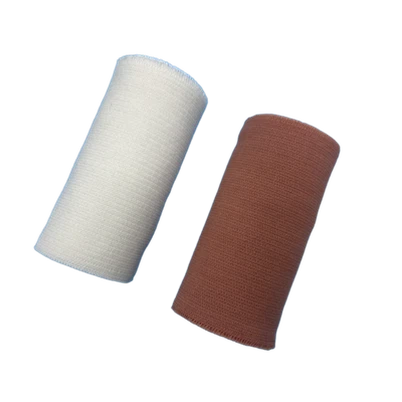
Elastic bandages are designed to provide support and compression. If you've ever sprained an ankle or had a muscle strain, you've probably used one of these.
These bandages are stretchy, which allows them to conform to the shape of the body part they're wrapped around. They come in different widths and lengths, so you can choose the right one for the area you need to treat. The compression they provide helps reduce swelling by limiting the flow of fluid to the injured area. It also gives support to the muscles and joints, which can speed up the healing process.
For example, our Elastic Support and Relief Bandage is a high - quality option that offers excellent stretch and compression. It's made with a soft, breathable material that won't irritate your skin even if you wear it for an extended period.
Cohesive Bandages
Cohesive bandages are unique because they stick to themselves but not to the skin. This makes them really easy to use. You can wrap them around a body part, and they'll stay in place without the need for pins or tape.
They're often used in sports medicine to support joints during physical activity. Since they don't stick to the skin, they can be easily removed without causing any pain or damage to the skin, which is great for athletes who might need to adjust or remove the bandage quickly.
Cohesive bandages are also useful in veterinary medicine. You can use them to wrap an animal's leg or paw, and the animal won't be bothered by the bandage's sticking properties.
Compression Bandages
Compression bandages are similar to elastic bandages but are specifically designed to apply a consistent amount of pressure to a body part. They're commonly used to treat conditions like varicose veins, deep vein thrombosis (DVT), and to prevent swelling after surgery.
These bandages are usually made of a firm, stretchy material. The pressure they apply helps improve blood circulation in the affected area, which is crucial for reducing swelling and promoting healing. Compression bandages need to be applied correctly to ensure they're effective, and it's important to get the right level of compression.
Triangular Bandages
Triangular bandages are a classic first - aid item. They're large, triangular pieces of fabric that can be used in many different ways.
You can use a triangular bandage as a sling to support an injured arm. By folding it and tying it around the neck and arm, you can keep the arm in a comfortable and stable position. They can also be used as a pad to cover a wound or to apply pressure to stop bleeding. In an emergency, you can even use a triangular bandage to immobilize a broken bone by using it as a splint.
Israeli Bandages
The Israeli bandage, also known as the emergency bandage, is a specialized type of bandage designed for use in combat and emergency situations. It's a really innovative design that can quickly stop severe bleeding.
The Israeli bandage has a built - in pressure applicator and a large absorbent dressing. You simply place the dressing over the wound and wrap the bandage tightly around the body part. Then, you use the pressure applicator to apply direct pressure to the wound, which is crucial for controlling heavy bleeding.
Our Emergency Israeli Bandage is a reliable option for first - responders, military personnel, and anyone who might need to deal with serious injuries in an emergency.
Ice Compression Bandages
Ice compression bandages combine the benefits of cold therapy and compression. They're great for treating injuries like sprains, strains, and bruises.
These bandages usually have a pocket where you can insert an ice pack. When you wrap the bandage around the injured area, the ice helps reduce pain and swelling, while the compression provides support and further reduces inflammation.
Our Ice Compression Bandage is a convenient solution for at - home or on - the - go treatment of injuries. It's easy to use and can help speed up the recovery process.
Foam Bandages
Foam bandages are made of a soft, porous foam material. They're often used as a dressing for wounds that have a lot of drainage. The foam has excellent absorbency, which helps keep the wound clean and dry.
These bandages are also gentle on the skin, making them suitable for people with sensitive skin. They can be used on both acute and chronic wounds and are often used in combination with other types of bandages or dressings.
Hydrocolloid Bandages
Hydrocolloid bandages are a bit more high - tech. They're made of a gel - like substance that adheres to the skin. These bandages are great for treating minor burns, ulcers, and blisters.
They create a moist environment around the wound, which promotes faster healing. The gel also absorbs any fluid from the wound, and it forms a protective barrier against bacteria. Hydrocolloid bandages are self - adhesive and can stay in place for several days, which is really convenient.
If you're in the market for bandages, whether it's for a medical facility, a sports team, or just to keep at home in your first - aid kit, I'm here to help. I offer a wide range of high - quality bandages at competitive prices. If you have any questions about which type of bandage is right for your needs or if you're interested in placing an order, feel free to reach out. We can discuss your requirements and find the best solutions for you.


References
- American Medical Association Handbook of First Aid and Emergency Care
- Mayo Clinic Guide to First Aid and Emergencies