

How to ensure a side woven gauze bandage is sterile?
Leave a message

Ensuring the sterility of side woven gauze bandages is of utmost importance in the medical field. As a supplier of side woven gauze bandages, I understand the critical role these products play in wound care and the necessity of maintaining their sterility. In this blog, I will share the key steps and measures we take to guarantee that our side woven gauze bandages are sterile and meet the highest quality standards.
Understanding the Importance of Sterility
Sterility is a non - negotiable requirement for medical products, especially those that come into direct contact with open wounds. A non - sterile bandage can introduce harmful microorganisms such as bacteria, fungi, and viruses to the wound site, leading to infections, delayed healing, and potentially life - threatening complications. For patients, the use of sterile side woven gauze bandages provides a sense of security and a higher probability of successful wound recovery.
Raw Material Selection
The journey to a sterile side woven gauze bandage begins with the careful selection of raw materials. We source high - quality cotton or other suitable fibers from trusted suppliers. These raw materials must be free from contaminants such as dirt, dust, and chemical residues. Before they enter our production facility, we conduct strict quality inspections. For instance, we use microscopy to check for the presence of foreign particles and perform chemical analyses to ensure that the fibers meet the required purity standards.
Manufacturing Environment
Maintaining a clean and controlled manufacturing environment is crucial for producing sterile bandages. Our production facility is designed to meet the highest hygiene standards. It is equipped with air - filtration systems that remove dust, pollen, and microorganisms from the air. The air in the manufacturing area is regularly monitored to ensure that the particle count is within acceptable limits. Additionally, the temperature and humidity are carefully regulated. A stable temperature and humidity level help prevent the growth of bacteria and fungi. Workers in the facility are required to wear appropriate protective clothing, including hairnets, masks, and sterile gloves, to minimize the risk of contamination.
Production Process
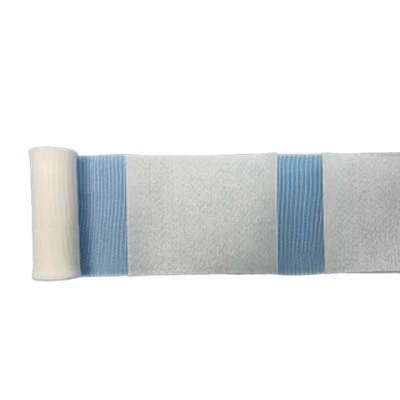
During the production of side woven gauze bandages, every step is carefully controlled to maintain sterility. The weaving process is carried out on clean and well - maintained machinery. The machinery is regularly cleaned and disinfected to prevent the buildup of dirt and microorganisms. After the bandages are woven, they are immediately transferred to a clean area for further processing.
We use a multi - step cleaning process to remove any remaining impurities from the bandages. This includes washing them with purified water and mild detergents. After washing, the bandages are rinsed thoroughly to ensure that no detergent residues are left. The bandages are then dried in a controlled environment to prevent the growth of bacteria.

Sterilization Methods
There are several sterilization methods available, and we choose the most appropriate one based on the characteristics of the side woven gauze bandages. One of the commonly used methods is ethylene oxide (EO) sterilization. EO is a highly effective sterilant that can penetrate the bandages and kill a wide range of microorganisms, including bacteria, viruses, and fungi. The bandages are placed in a sealed chamber, and EO gas is introduced. The process is carefully controlled in terms of temperature, pressure, and exposure time to ensure complete sterilization. After EO sterilization, the bandages are aerated to remove any residual EO, which is a potentially harmful substance.
Another method we use is gamma irradiation. Gamma rays have high energy and can effectively destroy the DNA of microorganisms, rendering them unable to reproduce. The bandages are placed in a gamma - irradiation chamber, and they are exposed to a specific dose of gamma rays. This method is fast and does not leave any chemical residues on the bandages.
Quality Control
Quality control is an ongoing process throughout the production of side woven gauze bandages. After sterilization, we randomly select samples from each batch of bandages for testing. We use microbiological testing methods to check for the presence of viable microorganisms. For example, we plate the samples on nutrient agar and incubate them at a suitable temperature for a specific period. If no colonies of bacteria or fungi grow on the agar, it indicates that the bandages are sterile.
We also perform physical and chemical tests on the bandages. These tests include checking the tensile strength, absorbency, and pH level of the bandages. The results of these tests are compared against the established quality standards. Any batch of bandages that fails to meet the standards is rejected and does not enter the market.
Packaging
Proper packaging is essential to maintain the sterility of side woven gauze bandages after they are sterilized. We use high - quality, sealed packaging materials that provide a barrier against microorganisms, moisture, and light. The packaging is designed to be easy to open while still maintaining its integrity. Before packaging, the bandages are handled in a clean environment to prevent re - contamination.
The packaging is labeled clearly with information such as the product name, size, sterilization method, and expiration date. The expiration date is determined based on stability studies that we conduct. These studies help us understand how long the bandages can remain sterile under normal storage conditions.
Storage and Transportation
Once the bandages are packaged, they need to be stored and transported under appropriate conditions. Our storage facilities are clean, dry, and well - ventilated. The bandages are stored on shelves that are regularly cleaned and disinfected. The storage temperature is maintained within a specific range to prevent the degradation of the bandages and the growth of microorganisms.
During transportation, we use insulated and sealed containers to protect the bandages from external factors. The transportation vehicles are also regularly cleaned and disinfected. We ensure that the bandages are not exposed to extreme temperatures, humidity, or physical damage during transit.
Importance of Continuous Monitoring
The process of ensuring the sterility of side woven gauze bandages is not a one - time event. We continuously monitor and improve our processes. We keep up - to - date with the latest research and industry standards in sterility assurance. For example, we participate in industry conferences and collaborate with research institutions to learn about new sterilization techniques and quality control methods.
Regular internal audits are conducted in our facility to identify any areas that need improvement. We also welcome external audits from regulatory authorities and customers. These audits help us ensure that our production processes are in line with the required standards and that we are providing high - quality, sterile bandages.
Conclusion
As a supplier of side woven gauze bandages, we are committed to ensuring the sterility of our products. By carefully selecting raw materials, maintaining a clean manufacturing environment, controlling the production process, using appropriate sterilization methods, conducting strict quality control, and providing proper packaging, storage, and transportation, we can guarantee that our bandages are safe and effective for use in medical applications.
If you are in the market for high - quality, sterile side woven gauze bandages, or other related products such as First Aid Dressing Bandage, Emergency Israeli Bandage, and Plaster Of Paris Slab, please feel free to contact us for procurement and further discussions. We are always ready to provide you with the best products and services.
References
- "Sterilization and Disinfection in Healthcare Facilities" - World Health Organization
- "Medical Device Sterilization: Principles and Practices" - American Society for Healthcare Engineering
- "Quality Control in the Medical Textile Industry" - Journal of Medical Textiles


