
What materials are used to make burn sheet dressings?
Leave a message

What materials are used to make burn sheet dressings?
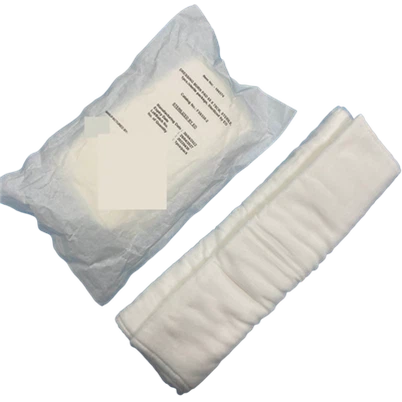
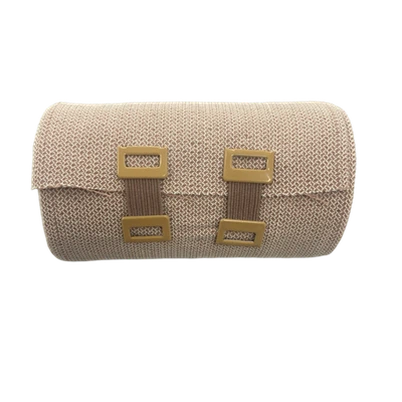
As a supplier of burn sheet dressings, I am often asked about the materials used in their production. Burn sheet dressings play a crucial role in the treatment of burns, providing a protective barrier, promoting healing, and preventing infection. In this blog post, I will explore the various materials commonly used to make burn sheet dressings and their properties.
One of the most widely used materials in burn sheet dressings is cotton. Cotton is a natural fiber that is soft, absorbent, and breathable. It is gentle on the skin and can help to absorb exudate from the burn wound, keeping it dry and promoting healing. Cotton dressings are also relatively inexpensive and easy to manufacture, making them a popular choice for many healthcare providers.
Another common material used in burn sheet dressings is polyester. Polyester is a synthetic fiber that is strong, durable, and resistant to moisture. It can be woven into a variety of textures and thicknesses, allowing for customized dressings that meet the specific needs of the patient. Polyester dressings are often used in combination with other materials, such as cotton or hydrogels, to provide a more effective barrier against infection and promote healing.


Hydrogels are another type of material commonly used in burn sheet dressings. Hydrogels are made up of a network of polymers that can absorb and retain large amounts of water. They are often used to provide a moist environment for the burn wound, which can help to promote healing and reduce pain. Hydrogels can also be used to deliver medications or other therapeutic agents directly to the wound, making them a versatile option for burn treatment.
Silicone is another material that is increasingly being used in burn sheet dressings. Silicone is a synthetic material that is flexible, durable, and hypoallergenic. It can be used to create a protective barrier over the burn wound, preventing infection and promoting healing. Silicone dressings are also easy to apply and remove, making them a convenient option for patients.
In addition to these materials, there are also a number of other materials that can be used in burn sheet dressings, including foam, alginates, and collagen. Foam dressings are made up of a porous material that can absorb exudate from the burn wound and provide a cushioning effect. Alginate dressings are made from seaweed and can absorb large amounts of fluid, making them ideal for use on heavily exuding wounds. Collagen dressings are made from natural proteins and can help to promote tissue repair and regeneration.
When choosing a burn sheet dressing, it is important to consider the specific needs of the patient and the type of burn. Different materials have different properties and may be more suitable for certain types of burns or wound conditions. For example, a patient with a superficial burn may benefit from a cotton or polyester dressing, while a patient with a deeper burn may require a hydrogel or silicone dressing.
At our company, we offer a wide range of burn sheet dressings made from a variety of materials. Our products are designed to meet the specific needs of our customers and provide effective treatment for burns. We also offer a range of other wound care products, including WOW Gauze Bandage, Three-Layer Woven Gauze Abdominal Pad, and Non Sterile Gauze Swabs.
If you are interested in learning more about our burn sheet dressings or other wound care products, please contact us to discuss your specific needs. We would be happy to provide you with more information and help you choose the right products for your patients.
References
- National Institute of Diabetes and Digestive and Kidney Diseases. (2021). Burns. Retrieved from https://www.niddk.nih.gov/health-information/urologic-diseases/burns
- WoundSource. (2021). Burn Wound Care. Retrieved from https://www.woundsource.com/product-category/burn-wound-care
- American Burn Association. (2021). Burn Treatment. Retrieved from https://www.ameriburn.org/burn-treatment