
Is a krinkle gauze roll biodegradable?
Leave a message

Is a Krinkle Gauze Roll Biodegradable?


As a supplier of krinkle gauze rolls, I often get asked about the environmental impact of our products, especially regarding their biodegradability. In this blog post, I'll delve into the details of whether krinkle gauze rolls are biodegradable, exploring the materials used, the decomposition process, and the broader implications for the environment.
What is a Krinkle Gauze Roll?
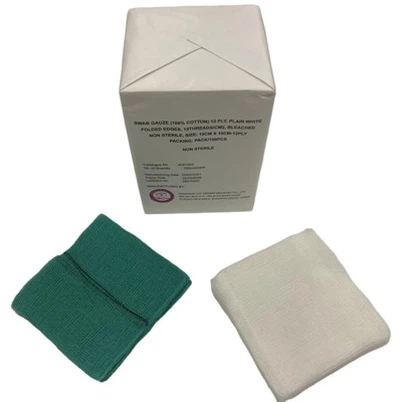
Before we discuss biodegradability, let's first understand what a krinkle gauze roll is. Krinkle gauze is a type of medical gauze that has a crinkled or wrinkled texture. This unique texture provides several advantages, such as increased absorbency, flexibility, and the ability to conform to irregular surfaces. Krinkle gauze rolls are commonly used in medical settings for wound dressing, surgical procedures, and first aid applications. You can learn more about Compressed Krinkle Gauze and Krinkle Gauze Roll on our website.
Materials Used in Krinkle Gauze Rolls
The biodegradability of a krinkle gauze roll largely depends on the materials used in its production. Most traditional krinkle gauze rolls are made from cotton. Cotton is a natural fiber derived from the cotton plant, and it is known for its excellent absorbency and softness. Being a natural material, cotton is biodegradable. When exposed to the right environmental conditions, cotton fibers can be broken down by microorganisms such as bacteria and fungi.
However, not all krinkle gauze rolls are made solely from cotton. Some may have additional components, such as synthetic fibers or chemical treatments, which can affect their biodegradability. For example, some gauze may be treated with antimicrobial agents or other chemicals to enhance its performance. These additives can slow down or even prevent the natural decomposition process.
Biodegradation Process of Cotton Krinkle Gauze Rolls
When a cotton krinkle gauze roll is disposed of in a suitable environment, such as a composting facility or soil, the biodegradation process begins. Microorganisms in the soil or compost break down the complex organic molecules in the cotton fibers into simpler substances. This process is facilitated by the presence of oxygen, moisture, and the right temperature.
The first step in the biodegradation of cotton is the physical breakdown of the fibers. As the gauze is exposed to the elements, it begins to lose its structural integrity, and the fibers start to separate. This makes it easier for the microorganisms to access the inner parts of the fibers.
Next, the microorganisms secrete enzymes that break down the cellulose, which is the main component of cotton. Cellulose is a polysaccharide, and the enzymes convert it into glucose, a simple sugar. The microorganisms then use the glucose as a source of energy for their growth and reproduction.
Over time, the cotton fibers are completely broken down into carbon dioxide, water, and other organic matter. This process can take anywhere from a few weeks to several months, depending on the environmental conditions.
Factors Affecting Biodegradability
Several factors can influence the biodegradability of a krinkle gauze roll. As mentioned earlier, the presence of synthetic fibers or chemical treatments can significantly slow down the decomposition process. Synthetic fibers, such as polyester or nylon, are not biodegradable and can persist in the environment for a long time.
The environmental conditions also play a crucial role. Biodegradation occurs most efficiently in aerobic conditions, where there is an adequate supply of oxygen. Anaerobic conditions, such as those found in landfills, can slow down or even halt the decomposition process. Additionally, extreme temperatures, lack of moisture, or high levels of acidity or alkalinity can also inhibit the growth of microorganisms and affect biodegradation.
The size and thickness of the gauze roll can also impact its biodegradability. Thicker or larger rolls may take longer to break down because it takes more time for the microorganisms to penetrate the inner layers of the material.
Environmental Impact of Non - Biodegradable Krinkle Gauze Rolls
Non - biodegradable krinkle gauze rolls, especially those containing synthetic fibers, can have a negative impact on the environment. When these gauze rolls are disposed of in landfills, they do not break down and can contribute to the accumulation of waste. Landfills are a major source of greenhouse gas emissions, as the decomposition of organic waste in anaerobic conditions produces methane, a potent greenhouse gas.
In addition to landfill waste, non - biodegradable gauze can also end up in the ocean or other water bodies. Marine life can mistake the gauze for food, leading to ingestion and entanglement, which can cause injury or death to the animals.
Our Commitment to Sustainability
As a supplier, we are committed to providing environmentally friendly products. We offer a range of krinkle gauze rolls made from 100% natural cotton, without any synthetic fibers or harmful chemical treatments. These gauze rolls are not only biodegradable but also meet the highest standards of quality and performance.
We understand the importance of sustainability in today's world, and we are constantly looking for ways to reduce our environmental impact. This includes using eco - friendly packaging materials and promoting proper disposal methods for our products.
Contact Us for Sustainable Krinkle Gauze Rolls
If you are interested in purchasing biodegradable krinkle gauze rolls for your medical or first - aid needs, we invite you to contact us. Our team of experts can provide you with more information about our products and help you choose the right krinkle gauze roll for your specific requirements. We are dedicated to providing high - quality, sustainable products at competitive prices.
By choosing our biodegradable krinkle gauze rolls, you can contribute to a more sustainable future while ensuring the safety and well - being of your patients or loved ones. Don't hesitate to reach out to us to start a conversation about your procurement needs.
References
- "Biodegradation of Natural Fibers: A Review." Journal of Environmental Management, Volume 238, 1 May 2019, Pages 514 - 523.
- "Cotton: Properties and Uses." Textile Institute, 2018.
- "The Impact of Synthetic Fibers on the Environment." Environmental Science & Technology, Volume 52, Issue 20, 15 October 2018, Pages 11619 - 11627.