
What is the absorbency rate of an absorbent gauze roll?
Leave a message

Hey there! As a supplier of absorbent gauze rolls, I often get asked about the absorbency rate of these essential medical supplies. So, I thought I'd take a moment to break it down for you and share some insights.
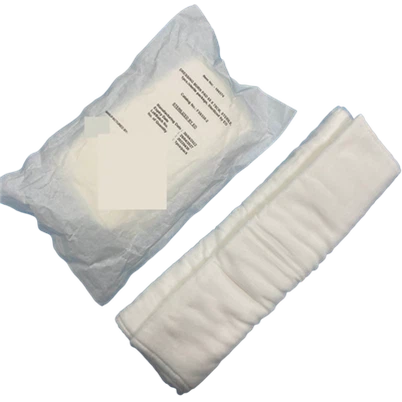
First off, let's talk about what absorbent gauze rolls are. They're basically a type of medical dressing made from woven cotton or other absorbent materials. These rolls are super versatile and are used in a variety of medical settings, from hospitals and clinics to first aid kits at home. They're great for cleaning wounds, applying medications, and absorbing any fluids that come from the wound.
Now, the absorbency rate of an absorbent gauze roll is a crucial factor. It determines how well the gauze can soak up blood, pus, or other bodily fluids. A higher absorbency rate means the gauze can handle more fluid, which is especially important for larger or more severe wounds.
So, how is the absorbency rate measured? Well, there are a few different methods, but one common way is through the gravimetric method. In this method, a sample of the gauze is weighed before being soaked in a liquid (usually a saline solution that mimics bodily fluids). After a set period of time, the gauze is removed, and any excess liquid is drained off. Then, the gauze is weighed again. The difference in weight between the dry and wet gauze gives you the amount of liquid the gauze has absorbed. This amount is then used to calculate the absorbency rate, usually expressed as a percentage or grams of liquid absorbed per gram of gauze.
But the absorbency rate isn't just about the numbers. There are several factors that can affect how well an absorbent gauze roll soaks up liquid.
Material
The type of material used to make the gauze plays a huge role. Cotton is a popular choice because it's highly absorbent and soft on the skin. It has natural fibers that can hold a lot of liquid. Some gauzes may also be treated with special chemicals or coatings to enhance their absorbency. For example, some may have a hydrophilic coating that attracts water molecules, making the gauze soak up liquid faster.
Weave
The way the gauze is woven also matters. A looser weave generally allows for more liquid to pass through and be absorbed. However, it may also be less durable. A tighter weave, on the other hand, might be stronger but could have a slightly lower absorbency rate because there's less space for the liquid to penetrate.
Thickness
Thicker gauze rolls usually have a higher absorbency rate because they have more material to hold the liquid. But they can also be bulkier and less flexible, which might not be ideal for all applications. Thinner gauze is more flexible and can be used in hard-to-reach areas, but it may not absorb as much liquid.
Quality Control
At our company, we take quality control very seriously. We make sure that each batch of our Absorbent Gauze Roll meets strict standards. We test the absorbency rate regularly to ensure consistency. This means that you can trust our gauze to perform well every time you use it.
So, why is the absorbency rate so important? Well, in a medical setting, it can make a big difference in wound healing. If a gauze doesn't absorb enough fluid, the wound can become wet and moist, which can create a breeding ground for bacteria and lead to infections. On the other hand, if the gauze absorbs too much fluid too quickly, it might dry out the wound and slow down the healing process. That's why finding the right balance is crucial.
When it comes to choosing the right absorbent gauze roll, you need to consider the type of wound you're dealing with. For minor cuts and scrapes, a standard absorbent gauze roll with a moderate absorbency rate might be sufficient. But for larger or more serious wounds, you might need a high-absorbency gauze to keep the wound clean and dry.
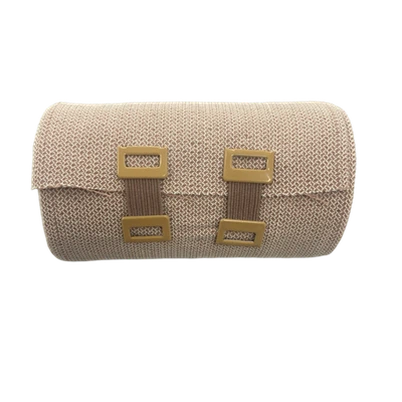
In addition to our Absorbent Gauze Roll, we also offer other related products. For example, our Petroleum Jelly Gauze Dressing is great for burns and wounds that need a bit of moisture. The petroleum jelly helps to keep the wound hydrated and prevents the gauze from sticking to the wound. And if you need a bandage for support or to secure the gauze, our Calico Triangular Bandage is a reliable option.


If you're in the market for absorbent gauze rolls or any of our other products, we'd love to hear from you. Whether you're a hospital, a clinic, or just someone looking to stock up on first aid supplies, we can provide you with high-quality products at competitive prices. We have a wide range of sizes and absorbency rates to meet your specific needs.
So, don't hesitate to reach out to us if you have any questions or if you're interested in placing an order. We're here to help you get the best medical supplies for your situation.
References
- American Society for Testing and Materials (ASTM). Standard Test Methods for Absorbency of Woven Fabrics. ASTM D5802 - 10(2015).
- International Organization for Standardization (ISO). ISO 9073 - 6:2000 Textiles - Test methods for nonwovens - Part 6: Determination of absorbency.