
What is the role of gauze in wound protection?
Leave a message

Hey there! As a gauze supplier, I've seen firsthand the crucial role gauze plays in wound protection. Let's dive into what makes gauze such a vital tool in the world of wound care.
Absorbency: Soaking Up the Mess
One of the primary functions of gauze is its ability to absorb wound exudate. When you get a cut or a wound, your body starts to produce this fluid as part of the healing process. It contains things like blood, plasma, and other bodily fluids. If this exudate isn't managed properly, it can create a moist environment that's a breeding ground for bacteria, leading to infections.
Gauze is designed to soak up this excess fluid. The porous nature of gauze allows it to wick away the exudate from the wound surface. For example, Sterile Lap Sponges are great for this. They're large and absorbent, perfect for covering bigger wounds or surgical sites where there might be a lot of fluid drainage. They can hold a significant amount of exudate, keeping the wound dry and reducing the risk of infection.
Protection: A Barrier Against the Outside World
Gauze acts as a physical barrier between the wound and the external environment. It shields the wound from dirt, dust, and other contaminants that could cause further damage or introduce harmful bacteria. Think of it like a protective shield for your wound.
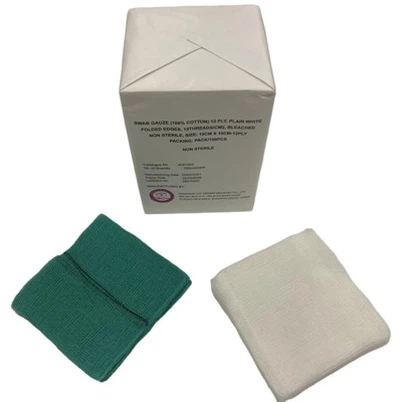
When you apply gauze to a wound, it creates a layer that prevents foreign objects from coming into direct contact with the injured area. This is especially important in the early stages of wound healing when the wound is most vulnerable. Cheesecloth Gauze is often used in situations where a lightweight and breathable barrier is needed. It allows air to circulate around the wound, which is essential for proper healing, while still providing that much - needed protection.
Support: Keeping Things in Place
In some cases, gauze can also provide support to the wound area. For instance, when you have a wound that's in a joint or an area that moves a lot, gauze can help keep the wound edges together and prevent them from separating. This is crucial for proper wound closure and can speed up the healing process.
Gauze can be wrapped around a wound in a way that provides gentle compression. This compression helps to reduce swelling and bleeding. Gauze Ball can be used in combination with other dressing materials to provide targeted support. You can place a gauze ball over a small wound and then secure it with a larger piece of gauze or a bandage.
Comfort: Making the Healing Process Easier
Let's not forget about comfort. A wound can be painful enough on its own, and the last thing you want is an uncomfortable dressing. Gauze is soft and flexible, which means it conforms to the shape of the wound and the body part it's covering. This reduces irritation and makes the patient more comfortable during the healing process.
It also allows for some movement without causing too much discomfort. Unlike some rigid dressings, gauze can bend and stretch with your body, so you can go about your daily activities without feeling restricted. Whether you're at work, doing light exercise, or just going about your normal routine, gauze won't get in the way.
Different Types of Gauze for Different Wounds
There are various types of gauze available, each designed for specific wound types and situations.
- Sterile Gauze: This is used for surgical wounds and wounds that are at a high risk of infection. Sterile gauze is processed to eliminate all microorganisms, ensuring a clean environment for the wound to heal.
- Non - Sterile Gauze: It's suitable for minor cuts and abrasions that are not at a high risk of infection. Non - sterile gauze is more cost - effective and can be used for everyday wound care.
- Impregnated Gauze: This type of gauze is infused with substances like antiseptics, antibiotics, or petroleum jelly. Impregnated gauze can help prevent infection, promote healing, and reduce pain.
How to Use Gauze Properly
Using gauze correctly is essential for effective wound protection. Here's a simple step - by - step guide:
- Clean the Wound: Before applying gauze, clean the wound gently with mild soap and water or a wound cleanser. This helps remove any dirt or debris from the wound.
- Choose the Right Gauze: Select the appropriate type of gauze based on the size, depth, and type of the wound.
- Apply the Gauze: Place the gauze over the wound, making sure it covers the entire area. If necessary, you can use multiple layers of gauze for better absorption.
- Secure the Gauze: Use medical tape, a bandage, or a wrap to secure the gauze in place. Make sure it's not too tight, as this can restrict blood flow.
- Change the Gauze Regularly: Depending on the amount of exudate, you may need to change the gauze once or several times a day. This helps keep the wound clean and promotes healing.
Conclusion
Gauze is an incredibly versatile and essential tool in wound protection. Its absorbency, protective properties, support, and comfort make it a go - to choice for healthcare professionals and individuals alike. Whether it's a small cut on your finger or a large surgical wound, gauze can play a key role in ensuring proper healing.
If you're in the market for high - quality gauze products, I'd love to have a chat with you. We offer a wide range of gauze options, including Sterile Lap Sponges, Cheesecloth Gauze, and Gauze Ball. Contact us to discuss your specific needs and let's work together to find the best gauze solutions for you.


References
- American Academy of Dermatology Association. Wound Care Basics.
- National Institute of Diabetes and Digestive and Kidney Diseases. Wound Healing: The Body's Amazing Process.