
Are cotton stretch bandages suitable for all skin types?
Leave a message

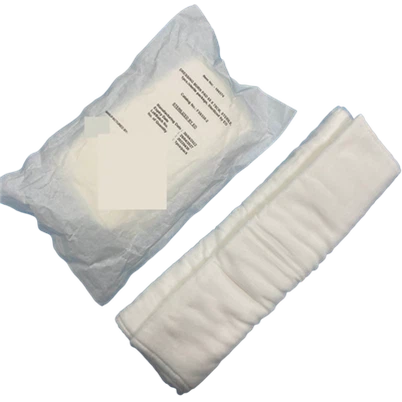
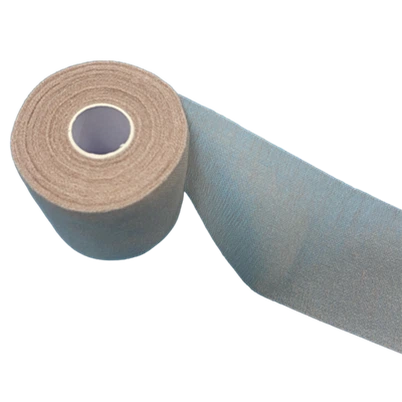
Cotton stretch bandages are a staple in the medical and first - aid fields, known for their flexibility, breathability, and ability to provide support. As a supplier of cotton stretch bandages, I often get asked whether these bandages are suitable for all skin types. In this blog, we'll explore the characteristics of cotton stretch bandages and their compatibility with different skin types.


Understanding Cotton Stretch Bandages
Cotton stretch bandages are typically made from a blend of cotton and elastic fibers. The cotton component provides breathability, allowing air to circulate around the skin, which is crucial for preventing moisture build - up and the growth of bacteria. The elastic fibers, on the other hand, give the bandage its stretchability, enabling it to conform to the body's contours and provide a secure fit.
Compatibility with Different Skin Types
Normal Skin
For individuals with normal skin, cotton stretch bandages are generally an excellent choice. Normal skin has a balanced moisture level, neither too dry nor too oily. The breathability of cotton helps maintain this balance. The natural fibers in cotton are gentle on the skin, reducing the risk of irritation. The stretchability of the bandage allows for comfortable movement, whether it's being used for minor injuries, support during physical activities, or post - surgical recovery.
Dry Skin
People with dry skin often have a compromised skin barrier, which can lead to itching, flaking, and discomfort. Cotton stretch bandages can be beneficial as the cotton fibers are soft and do not further dry out the skin. However, it's important to ensure that the bandage is not too tight, as this can cause friction and exacerbate dryness. Applying a moisturizer before using the bandage can also help keep the skin hydrated.
Oily Skin
Oily skin produces more sebum, which can make it prone to acne and other skin issues. The breathability of cotton stretch bandages helps to prevent the build - up of sweat and sebum, reducing the risk of clogged pores. The natural fibers of cotton also do not trap heat, which can be a problem with some synthetic materials. However, individuals with oily skin may need to change the bandage more frequently to maintain cleanliness.
Sensitive Skin
Sensitive skin is more prone to allergic reactions and irritation. Cotton is a hypoallergenic material, making it a good option for sensitive skin. However, some people with extremely sensitive skin may still react to the dyes or finishes used in the bandage. It's important to choose a bandage that is free from harsh chemicals and dyes. Our PBT Conforming Bandage is designed with sensitivity in mind, using high - quality materials that are less likely to cause irritation.
Allergic Skin
For those with skin allergies, it's crucial to be cautious when using any bandage. While cotton is generally well - tolerated, some individuals may be allergic to the specific type of cotton or the additives used in the manufacturing process. If you have a known cotton allergy, it's best to consult a healthcare professional before using a cotton stretch bandage. In some cases, alternative materials may be recommended.
Factors Affecting Skin Compatibility
Apart from skin type, several other factors can affect how well a cotton stretch bandage works with the skin.
Tightness of the Bandage
A bandage that is too tight can restrict blood flow, cause discomfort, and even lead to skin damage. On the other hand, a bandage that is too loose may not provide the necessary support. It's important to apply the bandage with the right amount of tension. Our High Elastic Bandage is designed to offer a wide range of stretch, allowing for a customized fit.
Duration of Use
Prolonged use of a bandage can increase the risk of skin problems, such as maceration (softening and breakdown of the skin due to excessive moisture). It's important to follow the recommended guidelines for changing the bandage. If the skin under the bandage shows signs of redness, itching, or irritation, the bandage should be removed and the skin should be allowed to rest.
Hygiene
Maintaining good hygiene is essential when using a cotton stretch bandage. The bandage should be kept clean and dry. If it gets wet or dirty, it should be replaced immediately. Our Honeycomb Elastic Bandage has a unique honeycomb structure that allows for better air circulation, which can help keep the bandage and the skin clean.
Conclusion
In general, cotton stretch bandages are suitable for most skin types. Their breathability, flexibility, and natural materials make them a popular choice for a variety of applications. However, it's important to consider individual skin characteristics and other factors such as tightness, duration of use, and hygiene.
If you're in the market for high - quality cotton stretch bandages, we are here to help. We offer a wide range of products that are designed to meet the needs of different skin types and applications. Whether you're a healthcare provider, an athlete, or someone in need of first - aid supplies, our bandages can provide the support and comfort you need. If you have any questions or would like to discuss your requirements, please feel free to reach out. We look forward to the opportunity to work with you and provide you with the best cotton stretch bandage solutions.
References
- American Academy of Dermatology. (2023). Skin Types and Care.
- National Institute of Health. (2022). Wound Care and Bandaging.