
Is cheesecloth gauze suitable for use with acidic foods?
Leave a message

Hey there! As a cheesecloth gauze supplier, I often get asked a whole bunch of questions about our products. One of the most common ones is whether cheesecloth gauze is suitable for use with acidic foods. Well, let's dig into this topic and find out.
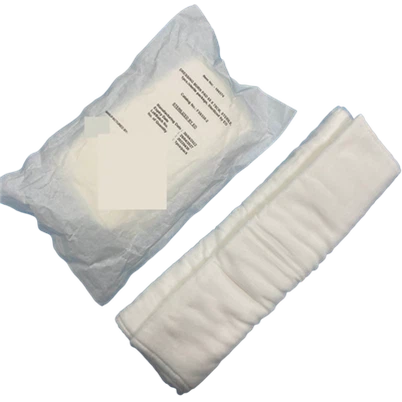
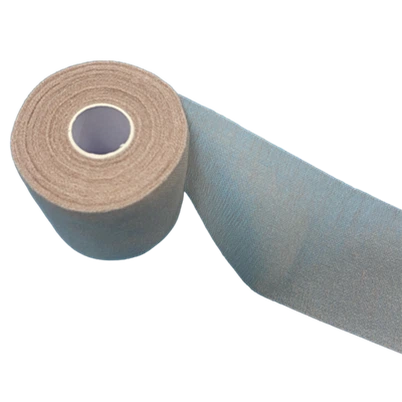
First off, let's talk a bit about what cheesecloth gauze is. It's a lightweight, loosely woven fabric that's commonly used in the kitchen for straining, wrapping cheese, and even making cheese itself. It's also used in other areas like medical applications, for things like Burn Sheet Dressing, Three-Layer Woven Gauze Abdominal Pad, and Calico Triangular Bandage. But today, we're focusing on its use with acidic foods.
Acidic foods are those that have a low pH level. Think about things like lemon juice, vinegar, tomatoes, and citrus fruits. These foods can be pretty aggressive on materials they come into contact with. So, the big question is, can cheesecloth gauze hold up against them?
The good news is that in most cases, cheesecloth gauze is actually quite suitable for use with acidic foods. The fabric is usually made from cotton, which is a natural and relatively inert material. Cotton doesn't react chemically with most acids found in food. So, when you're using cheesecloth to strain lemon juice or wrap a block of cheese that has been marinated in an acidic dressing, you don't have to worry about any harmful chemical reactions taking place.


However, there are a few things to keep in mind. First, the quality of the cheesecloth matters. Cheaper, lower - quality cheesecloth might have residues from the manufacturing process. These residues could potentially react with acidic foods. That's why it's important to choose high - quality cheesecloth from a reliable supplier (hint: that's us!).
Another thing to consider is the length of time the cheesecloth is in contact with the acidic food. If you're just using it for a quick straining process, say a few minutes, there's usually no problem. But if you're leaving the cheesecloth in contact with acidic food for an extended period, like overnight, there's a small chance that the acid could start to break down the cotton fibers over time. This might cause the cheesecloth to lose its strength and integrity.
To be on the safe side, it's a good idea to pre - wash the cheesecloth before using it with acidic foods. This helps to remove any potential residues from the manufacturing process. You can simply soak the cheesecloth in warm, soapy water and then rinse it thoroughly.
Now, let's talk about some practical applications. One of the most common uses of cheesecloth with acidic foods is in cheese making. When making cheese, you often use acidic substances like vinegar or lemon juice to curdle the milk. Cheesecloth is used to strain the curds from the whey. In this case, the short - term contact with the acidic curdling agent is perfectly fine for the cheesecloth.
Another use is in making fruit jams and jellies. Many recipes call for straining the fruit pulp through cheesecloth to get a smooth, clear jelly. Since fruits like berries and citrus are acidic, the cheesecloth can handle the contact without any issues as long as the straining process is relatively quick.
But what if you're using cheesecloth to make a long - marinated dish that has a lot of acidic ingredients? In that case, you might want to consider changing the cheesecloth after a certain period or using a thicker, more durable type of cheesecloth.
In conclusion, cheesecloth gauze is generally suitable for use with acidic foods, but it's important to take a few precautions. Choose high - quality cheesecloth, pre - wash it, and be mindful of the contact time. If you follow these guidelines, you can use cheesecloth gauze safely and effectively in your kitchen.
If you're in the market for high - quality cheesecloth gauze for your food - related or other applications, we'd love to talk to you. Whether you're a home cook, a professional chef, or a medical provider, we have the right cheesecloth for you. Reach out and let's start a conversation about your needs.
References
- General knowledge about food chemistry and fabric properties
- Experience in the cheesecloth gauze supply industry