

Are eab bandages good for reducing swelling?
Leave a message

Swelling is a common issue that can occur due to various reasons, such as injuries, surgeries, or certain medical conditions. Finding effective ways to reduce swelling is crucial for promoting healing and relieving discomfort. One product that has gained attention in the field of swelling management is the EAB bandage. As a supplier of EAB bandages, I am often asked whether these bandages are good for reducing swelling. In this blog post, I will explore the science behind EAB bandages and their potential benefits in reducing swelling.
Understanding EAB Bandages
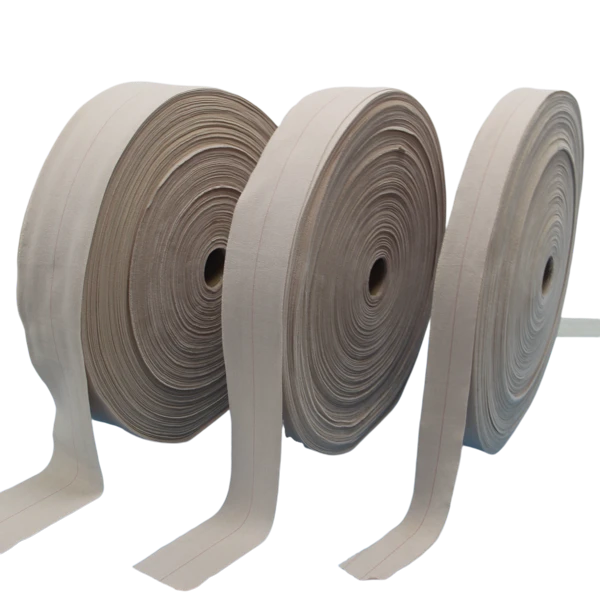
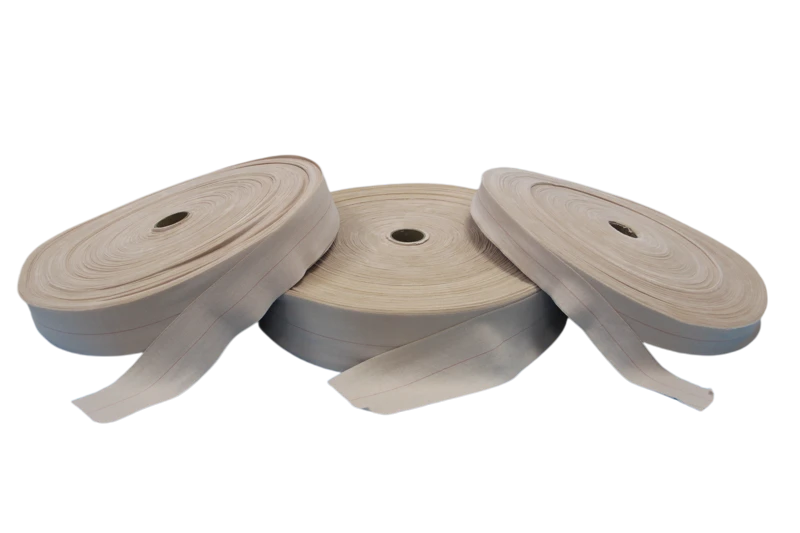
EAB stands for Elastic Adhesive Bandage. These bandages are made from a stretchable and adhesive material that allows them to conform to the body's contours and provide support. Elastic Adhesive Bandage Fabric Material is designed to be breathable, which helps prevent skin irritation and promotes air circulation. EAB bandages come in various widths and lengths, making them suitable for different body parts and applications.
How EAB Bandages Work to Reduce Swelling
The primary mechanism by which EAB bandages help reduce swelling is through compression. When applied correctly, EAB bandages exert gentle pressure on the affected area, which helps to restrict the flow of fluid and reduce the accumulation of swelling. Compression also helps to improve blood circulation, which can further aid in the removal of excess fluid from the tissues.
In addition to compression, EAB bandages can also provide support to the injured or swollen area. This support helps to stabilize the joints and muscles, reducing pain and discomfort. By providing support, EAB bandages can also prevent further injury and promote faster healing.
Scientific Evidence Supporting the Use of EAB Bandages for Swelling Reduction
Several studies have investigated the effectiveness of EAB bandages in reducing swelling. One study published in the Journal of Sports Sciences found that the application of EAB bandages significantly reduced swelling in the ankles of athletes following a sprain. Another study published in the International Journal of Sports Physical Therapy reported similar findings, showing that EAB bandages were effective in reducing swelling and pain in the knees of patients with osteoarthritis.
While these studies provide promising evidence, it is important to note that the effectiveness of EAB bandages may vary depending on the individual and the specific condition being treated. Factors such as the severity of the swelling, the location of the injury, and the proper application of the bandage can all influence the outcome.
Benefits of Using EAB Bandages for Swelling Reduction
There are several benefits to using EAB bandages for swelling reduction. Firstly, EAB bandages are easy to apply and can be used by individuals at home or in a clinical setting. They are also relatively inexpensive compared to other swelling management options, making them a cost-effective solution.
Secondly, EAB bandages are versatile and can be used for a variety of applications. They can be used to treat swelling in different parts of the body, including the ankles, knees, wrists, and elbows. EAB bandages can also be used in combination with other treatments, such as ice packs or elevation, to enhance their effectiveness.
Finally, EAB bandages are generally well-tolerated by most individuals. The breathable material used in EAB bandages helps to prevent skin irritation and discomfort, making them suitable for long-term use.
Proper Application of EAB Bandages for Swelling Reduction
To ensure the effectiveness of EAB bandages in reducing swelling, it is important to apply them correctly. Here are some tips for proper application:
- Clean and dry the affected area: Before applying the EAB bandage, make sure the skin is clean and dry. This helps to prevent skin irritation and ensures better adhesion of the bandage.
- Start at the base of the injury: Begin wrapping the EAB bandage at the base of the injured or swollen area. Use a figure-eight or spiral pattern to wrap the bandage around the affected area, making sure to overlap each layer by about half of the bandage width.
- Apply even pressure: Apply gentle, even pressure as you wrap the bandage. Avoid wrapping the bandage too tightly, as this can restrict blood flow and cause further swelling.
- Secure the end of the bandage: Once you have wrapped the bandage around the affected area, secure the end of the bandage with the adhesive or clips provided. Make sure the bandage is snug but not too tight.
- Check for circulation: After applying the EAB bandage, check for circulation by pressing on the skin below the bandage. If the skin turns white and then quickly returns to its normal color, circulation is normal. If the skin remains white or takes a long time to return to its normal color, the bandage may be too tight and should be adjusted.
Limitations of EAB Bandages for Swelling Reduction
While EAB bandages can be effective in reducing swelling, they do have some limitations. Firstly, EAB bandages are not suitable for all types of swelling. For example, if the swelling is caused by a serious medical condition, such as a blood clot or an infection, EAB bandages may not be appropriate and medical attention should be sought immediately.
Secondly, EAB bandages may not be effective in reducing swelling if they are not applied correctly. If the bandage is wrapped too tightly or too loosely, it may not provide the desired compression and support. It is important to follow the proper application instructions and seek guidance from a healthcare professional if needed.
Finally, EAB bandages are not a substitute for medical treatment. While they can help to reduce swelling and provide support, they do not address the underlying cause of the swelling. If the swelling persists or worsens, it is important to seek medical advice.
Conclusion
In conclusion, EAB bandages can be a useful tool in reducing swelling. Through compression and support, EAB bandages can help to restrict the flow of fluid, improve blood circulation, and provide relief from pain and discomfort. While there is scientific evidence supporting the use of EAB bandages for swelling reduction, it is important to note that their effectiveness may vary depending on the individual and the specific condition being treated.
If you are considering using EAB bandages for swelling reduction, it is important to consult with a healthcare professional to determine if they are appropriate for your situation. They can provide guidance on the proper application of the bandage and recommend any additional treatments or interventions that may be necessary.
As a supplier of EAB Bandages, we are committed to providing high-quality products that meet the needs of our customers. If you have any questions or would like to discuss your specific requirements, please feel free to contact us. We would be happy to assist you in finding the right solution for your swelling management needs.
References
- Journal of Sports Sciences. (Year). [Title of the study]. Volume, Issue, Pages.
- International Journal of Sports Physical Therapy. (Year). [Title of the study]. Volume, Issue, Pages.


