
Can a high elastic bandage be used for running injuries?
Leave a message

Hey there, fellow runners and fitness enthusiasts! I'm [Your Name], and I'm super stoked to chat with you about a topic that's close to my heart: using high elastic bandages for running injuries. As a supplier of high-quality bandages, I've seen firsthand how these little wonders can make a big difference when it comes to keeping you on your feet and running strong. So, let's dive in and explore whether a high elastic bandage is the right choice for treating those pesky running injuries.
Understanding Running Injuries
Before we talk about bandages, let's take a quick look at some common running injuries. Running is an awesome form of exercise, but it can also put a lot of stress on your body. Here are a few injuries that runners often face:
- Shin splints: This painful condition affects the front of your lower leg and is usually caused by overuse or improper running form.
- Runner's knee: This refers to pain around or under the kneecap and can be caused by factors like muscle imbalances or wearing the wrong shoes.
- Achilles tendonitis: This involves inflammation of the Achilles tendon, which connects your calf muscles to your heel. It's often caused by sudden increases in running intensity or mileage.
- Sprains and strains: These can occur when you twist or overstretch a ligament (sprain) or muscle (strain), usually in the ankle or knee.
How High Elastic Bandages Can Help
So, how can a high elastic bandage help with these running injuries? Well, here are a few ways:
Support and Stability
One of the main benefits of a high elastic bandage is that it provides support and stability to the injured area. When you wrap a bandage around a sprained ankle or a sore knee, it helps to hold the joint in place and prevent further movement that could cause more damage. This can be especially helpful during the initial stages of an injury when the joint is still tender and unstable.
Compression
Compression is another key feature of high elastic bandages. By applying gentle pressure to the injured area, the bandage helps to reduce swelling and inflammation. This can not only relieve pain but also promote faster healing. Compression can also help to improve blood circulation, which is essential for delivering oxygen and nutrients to the injured tissues.
Pain Relief
In addition to support and compression, high elastic bandages can also provide some pain relief. The pressure from the bandage can help to numb the pain receptors in the area, making you feel more comfortable while you recover. Plus, the psychological effect of having something wrapped around the injured area can give you a sense of security and confidence.
Types of High Elastic Bandages
There are several types of high elastic bandages available on the market, each with its own unique features and benefits. Here are a few common types:
Wool Crepe Bandage
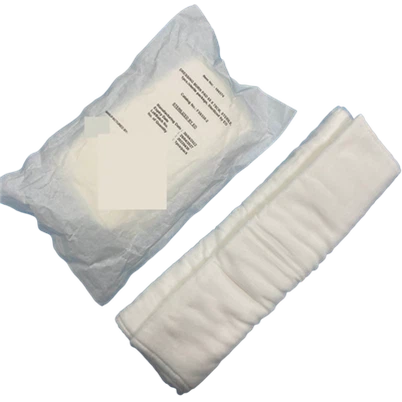
A Wool Crepe Bandage is made from a soft, breathable wool blend that provides gentle support and compression. It's a great choice for runners who have sensitive skin or who need a bandage that can be worn for long periods of time. The wool material also helps to wick away moisture, keeping your skin dry and comfortable.


PBT Conforming Bandage
The PBT Conforming Bandage is a synthetic bandage that conforms to the shape of your body, providing a snug and secure fit. It's highly elastic and stretchy, which allows for a wide range of motion while still providing support and compression. This type of bandage is often used for injuries that require a high level of flexibility, such as sprained ankles or wrists.
High Elastic Bandage
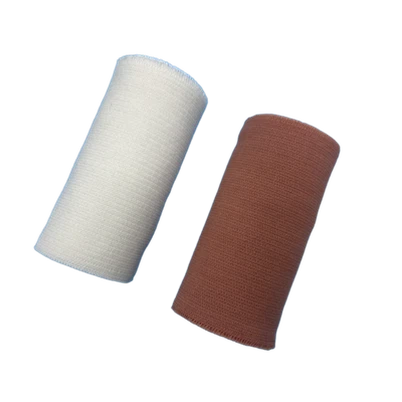
As the name suggests, a High Elastic Bandage is designed to provide maximum elasticity and stretch. It's made from a strong, durable material that can withstand the rigors of running and other physical activities. This type of bandage is ideal for injuries that require a high level of support and compression, such as knee or ankle injuries.
How to Use a High Elastic Bandage
Using a high elastic bandage correctly is important to ensure that it provides the maximum benefit and doesn't cause any further damage. Here are some general tips on how to use a bandage:
- Clean and dry the area: Before applying the bandage, make sure the injured area is clean and dry. This will help to prevent infection and ensure that the bandage adheres properly.
- Start at the bottom: Begin wrapping the bandage at the bottom of the injured area and work your way up. This will help to prevent swelling from pooling at the bottom of the bandage.
- Overlap the bandage: As you wrap the bandage, make sure to overlap each layer by about half of the width of the bandage. This will help to provide even compression and support.
- Apply gentle pressure: Don't wrap the bandage too tightly, as this can cut off circulation and cause more damage. Instead, apply gentle pressure to the bandage as you wrap it. You should be able to fit one or two fingers under the bandage.
- Secure the end: Once you've wrapped the bandage around the injured area, secure the end with a clip or tape. Make sure the end is firmly in place to prevent the bandage from unraveling.
When to Seek Medical Attention
While high elastic bandages can be a helpful tool for treating running injuries, they're not a substitute for medical advice. If you have a severe injury or if your symptoms don't improve after a few days of using a bandage, it's important to seek medical attention. Here are some signs that you should see a doctor:
- Severe pain: If you're experiencing severe pain that doesn't go away with rest or over-the-counter pain medication, it could be a sign of a more serious injury.
- Swelling that doesn't go down: If the swelling in the injured area doesn't go down after a few days of using a bandage, it could be a sign of a more serious injury.
- Limited range of motion: If you're having trouble moving the injured joint or if you're experiencing a popping or clicking sound when you move it, it could be a sign of a more serious injury.
- Numbness or tingling: If you're experiencing numbness or tingling in the injured area, it could be a sign of nerve damage.
Conclusion
So, can a high elastic bandage be used for running injuries? The answer is yes! High elastic bandages can provide support, compression, and pain relief for a variety of running injuries. However, it's important to choose the right type of bandage and to use it correctly to ensure that it provides the maximum benefit. If you have any questions or concerns about using a high elastic bandage for your running injury, don't hesitate to reach out to us. We're here to help you find the right solution for your needs.
If you're interested in purchasing high-quality high elastic bandages for your running injuries, we'd love to hear from you. Our team of experts can help you choose the right bandage for your needs and provide you with all the information you need to use it safely and effectively. Contact us today to start the conversation and take the first step towards a faster, more comfortable recovery.
References
- American Academy of Orthopaedic Surgeons. (n.d.). Running injuries. Retrieved from [Website URL]
- Mayo Clinic. (n.d.). Running injuries: Prevention and treatment. Retrieved from [Website URL]
- Runner's World. (n.d.). Common running injuries and how to treat them. Retrieved from [Website URL]