
Can cohesive bandages be used for immobilization?
Leave a message

Hey there! As a supplier of cohesive bandages, I often get asked if these bandages can be used for immobilization. It's a great question, and today, I'm gonna break it down for you.
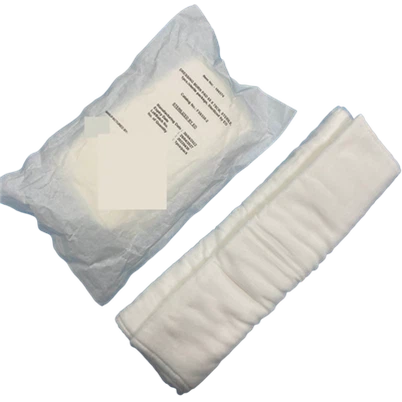
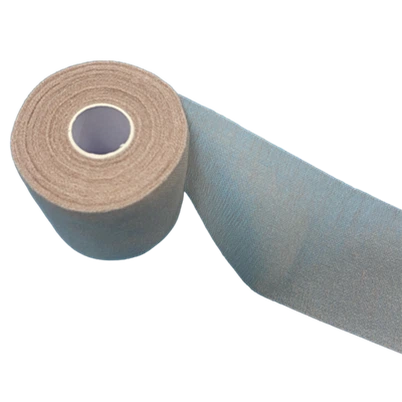
First off, let's talk about what cohesive bandages are. Cohesive bandages are a type of bandage that sticks to itself but not to the skin. They're made of a stretchy material that can conform to different body parts. There are different types, like the Cohesive Conforming Bandage, Elastic Cohesive Bandage, and Cohesive Fixation Bandage.
Now, can they be used for immobilization? Well, it depends. In some cases, cohesive bandages can provide a certain level of immobilization. For minor injuries, like a sprained ankle or a mild wrist strain, they can help keep the affected area stable. The bandage's ability to stick to itself allows it to stay in place and provide support.
Let's take a sprained ankle as an example. When you wrap a cohesive bandage around the ankle, it can limit the movement of the joint. This is because the bandage creates a sort of brace that holds the ankle in a more stable position. It can reduce the pain and prevent further damage by restricting excessive movement.
However, it's important to note that cohesive bandages have their limitations. They're not as strong as a cast or a splint. For more serious injuries, like a broken bone, they're not going to provide enough immobilization. A broken bone needs a more rigid support to ensure proper healing.
Another factor to consider is the way the bandage is applied. If it's not wrapped correctly, it may not provide effective immobilization. You need to make sure the bandage is wrapped snugly but not too tight. If it's too tight, it can cut off circulation, which is a big no - no.
When it comes to using cohesive bandages for immobilization, there are some best practices. First, clean the area before applying the bandage. This helps prevent infections. Then, start wrapping from the bottom of the affected area and work your way up. Make sure each layer overlaps the previous one by about half.
Also, check the bandage regularly. If you notice any swelling, numbness, or discoloration of the skin, it means the bandage is too tight, and you need to adjust it.
Now, let's talk about the advantages of using cohesive bandages for immobilization. One of the biggest advantages is their ease of use. You don't need any special tools to apply them. You can do it yourself at home. They're also reusable, which makes them cost - effective.


They're also breathable. Unlike some other types of bandages, cohesive bandages allow air to circulate around the skin. This helps prevent skin irritation and keeps the area dry.
But there are also some disadvantages. As I mentioned earlier, they're not suitable for serious injuries. Also, if you're not careful, the bandage can come loose. This can be a problem, especially if you're relying on it for immobilization.
In a medical setting, cohesive bandages are often used as a temporary measure. For example, before a more definitive treatment like a cast or a splint is applied, a cohesive bandage can be used to keep the area stable.
In sports medicine, they're very popular. Athletes often use them to support joints during practice or games. They can help prevent injuries and provide some level of support during physical activity.
If you're thinking about using cohesive bandages for immobilization, here are some things to keep in mind. First, make sure you choose the right type of bandage. Different bandages have different levels of stretch and adhesion. For example, an elastic cohesive bandage may be more suitable for a joint that needs some flexibility, while a cohesive fixation bandage may be better for a more rigid support.
Also, consider the size of the bandage. You want to make sure it's the right size for the area you're wrapping. If it's too small, it won't provide enough support, and if it's too big, it may not stay in place.
So, to sum it up, cohesive bandages can be used for immobilization in some cases, especially for minor injuries. But they have their limitations and should be used with caution.
If you're interested in purchasing cohesive bandages for your medical practice, sports team, or personal use, I'd love to have a chat with you. We offer high - quality cohesive bandages at competitive prices. Whether you need the Cohesive Conforming Bandage, Elastic Cohesive Bandage, or Cohesive Fixation Bandage, we've got you covered. Reach out to us to discuss your needs and start a procurement conversation.
References
- Medical textbooks on orthopedics and sports medicine
- Research papers on the use of bandages for immobilization