
How to secure folded gauze on a wound?
Leave a message

Hey there! As a supplier of folded gauze, I've seen firsthand how important it is to secure it properly on a wound. Whether you're dealing with a minor cut or a more serious injury, getting the right technique can make all the difference in the healing process. So, let's dive into how to secure folded gauze on a wound effectively.
Understanding the Basics of Folded Gauze
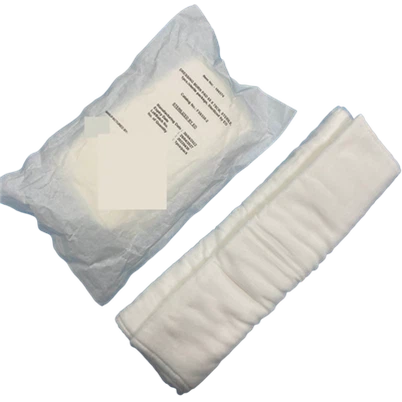
First off, let's talk a bit about folded gauze. It's a versatile and essential medical supply. Folded gauze comes in different sizes and thicknesses, which makes it suitable for various types of wounds. It's great for absorbing blood and other fluids, protecting the wound from dirt and bacteria, and providing a barrier that helps the healing process.
Preparing the Wound and Gauze
Before you start securing the folded gauze, you need to prepare both the wound and the gauze. First, clean the wound gently with mild soap and water. Pat it dry with a clean towel. This helps prevent infection.
Next, grab your folded gauze. Make sure it's the right size for the wound. If it's too small, it won't cover the wound properly. If it's too big, it might not stay in place well. You can find a great selection of Sterile Gauze Bandage Roll on our website, which are perfect for different wound sizes.
Securing the Folded Gauze
Now, let's get to the main part - securing the gauze. There are a few different methods you can use, depending on the location and size of the wound.
Using Adhesive Tape
One of the most common ways to secure folded gauze is with adhesive tape. Make sure the tape is medical-grade and hypoallergenic to avoid skin irritation. Place the folded gauze over the wound, then carefully place strips of tape on the edges of the gauze. Press the tape firmly onto the skin to ensure it sticks well. But be careful not to press too hard, as it might cause discomfort or damage the skin around the wound.
Bandages
If the wound is on a limb, like an arm or a leg, you can use a bandage to secure the folded gauze. Wrap the bandage around the limb, making sure the gauze stays in place. Start at the end closest to the heart and wrap it in a spiral motion. Make sure the bandage is not too tight, as it can restrict blood flow. You can check the circulation by pressing on a fingernail or a toenail. If the color returns quickly, the bandage is not too tight.
Medical Wrap
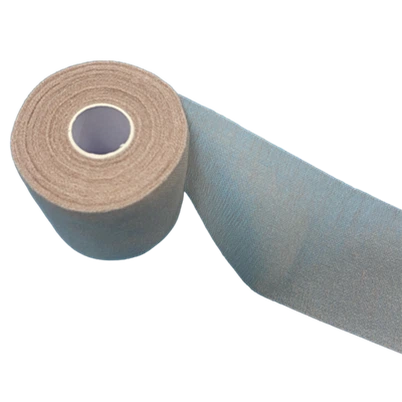
Another option is to use a medical wrap. It's stretchy and conforms well to the body. Wrap the medical wrap around the wound and the folded gauze, overlapping the layers slightly. The stretchy nature of the wrap helps keep the gauze in place without being too tight. You can find Sterile Lap Sponges on our site, which can be used in combination with medical wraps for better wound care.
Special Considerations
There are some special cases where you need to take extra care when securing folded gauze.


Wounds in Hard-to-Reach Areas
If the wound is in a hard-to-reach area, like behind the ear or in a joint, you might need to get creative. You can use smaller pieces of tape or a special type of bandage that can bend and conform to the shape of the area. You can also try using a petroleum jelly gauze dressing, like our Petroleum Jelly Gauze Dressing, which can help the gauze stay in place and also provide a moist environment for healing.
Large Wounds
For large wounds, you might need to use multiple pieces of folded gauze. Make sure they overlap slightly to ensure complete coverage. You can then secure them with a larger bandage or a combination of tape and bandages.
Monitoring the Wound
Once you've secured the folded gauze on the wound, it's important to monitor it regularly. Check for any signs of infection, such as redness, swelling, or pus. If you notice any of these signs, it's time to change the gauze and seek medical advice.
Changing the Gauze
You should change the folded gauze regularly to keep the wound clean and promote healing. How often you change it depends on the type and severity of the wound. For minor wounds, you can change it once a day. For more serious wounds, you might need to change it more often, like every few hours.
Conclusion
Securing folded gauze on a wound is an important part of wound care. By following these steps and using the right techniques, you can ensure that the gauze stays in place and helps the wound heal properly. If you're in the market for high-quality folded gauze and other wound care products, we're here to help. We offer a wide range of products, including Sterile Gauze Bandage Roll, Sterile Lap Sponges, and Petroleum Jelly Gauze Dressing. If you have any questions or are interested in purchasing our products, feel free to reach out for a procurement discussion.
References
- American Red Cross. (2023). First Aid Manual.
- Mayo Clinic. (2023). Wound Care Basics.