

Can eab bandages be used in cold weather?
Leave a message

As a supplier of EAB (Elastic Adhesive Bandage) products, I often get asked whether these bandages can be effectively used in cold weather. This is a crucial question, especially for those in outdoor industries, athletes, and individuals who may require first - aid solutions in low - temperature environments. In this blog, I'll delve into the science behind EAB bandages and their performance in cold weather.
Understanding EAB Bandages
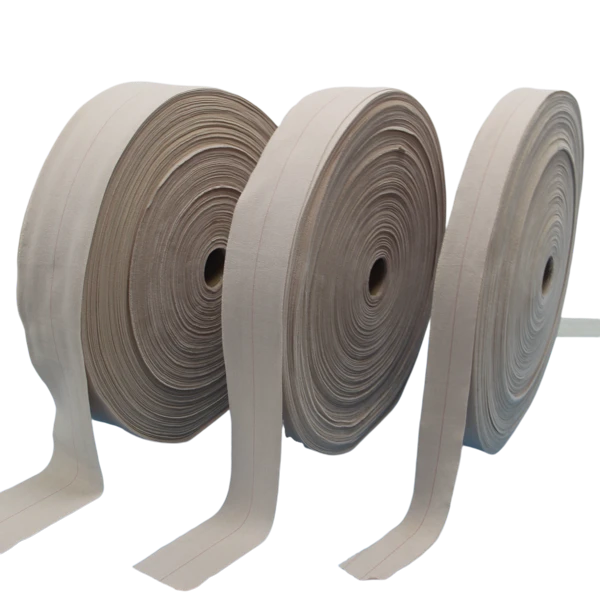
EAB bandages are widely recognized for their elasticity and adhesive properties. The Elastic Adhesive Bandage Fabric Material used in these bandages is designed to conform to the body's contours, providing support and compression. They are commonly used in sports medicine to treat sprains, strains, and to provide additional support to joints during physical activities. The adhesive layer ensures that the bandage stays in place, preventing it from slipping off and maintaining its therapeutic effect.
The EAB Bandage has a porous structure, which allows air to circulate, reducing the risk of skin irritation and promoting faster healing. These features make EAB bandages a popular choice for both medical and non - medical applications.
The Impact of Cold Weather on EAB Bandages
Adhesive Performance
One of the primary concerns when using EAB bandages in cold weather is the performance of the adhesive. Adhesives are sensitive to temperature changes. In general, cold temperatures can cause the adhesive to become less sticky. When the adhesive on an EAB bandage is exposed to cold, it may lose its ability to bond effectively to the skin or the underlying surface.
The molecules in the adhesive slow down in cold conditions. This reduced molecular movement means that the adhesive has a harder time forming strong bonds with the surface it is applied to. As a result, the bandage may start to peel off more easily, reducing its effectiveness in providing support and compression.
Elasticity
Another aspect affected by cold weather is the elasticity of the bandage. EAB bandages are made from materials that have inherent elastic properties. However, in cold temperatures, these materials can become stiffer. The cold makes the polymer chains in the elastic material more rigid, reducing their ability to stretch and contract.
When the bandage loses its elasticity, it may not be able to conform as well to the body's movements. This can lead to discomfort for the wearer, as the bandage may feel tight and restrictive. Moreover, a less elastic bandage may not provide the same level of support as it would in normal temperatures. It may not be able to adapt to the changes in the body's shape during movement, which is crucial for maintaining proper compression and support.

Comfort and Skin Health
Cold weather can also have an impact on the comfort and skin health of the person wearing the EAB bandage. The cold air can dry out the skin, and when combined with the potential tightness caused by the stiffening of the bandage, it can increase the risk of skin irritation.
The reduced circulation in cold weather can also slow down the healing process. If the bandage is not adhering properly or is too tight due to reduced elasticity, it can further impede blood flow to the affected area, which is essential for the delivery of oxygen and nutrients necessary for healing.
Mitigating the Effects of Cold Weather
Pre - warming the Bandage
One way to improve the performance of EAB bandages in cold weather is to pre - warm them. You can do this by holding the bandage in your hands for a few minutes before applying it. The warmth from your hands can help to increase the temperature of the adhesive and the elastic material, making the adhesive stickier and the bandage more flexible.
Using an Underwrap
Applying an underwrap before using the EAB bandage can also be beneficial. An underwrap provides an additional layer between the skin and the bandage, which can help to protect the skin from the cold and reduce the direct contact between the adhesive and the skin. It can also act as a buffer, absorbing some of the cold and preventing it from affecting the adhesive and elastic properties of the bandage as much.
Proper Storage
Proper storage of EAB bandages is also important. Keep the bandages in a warm place before use. If you are going to be in a cold environment, store the bandages in an insulated container or close to your body to keep them warm until you need to use them.
Case Studies and Real - World Examples
In outdoor sports such as skiing and snowboarding, athletes often need to use EAB bandages to support their joints. In cold mountain environments, they have reported issues with bandages peeling off or becoming too stiff. However, by using the strategies mentioned above, such as pre - warming the bandage and using an underwrap, they have been able to improve the performance of the bandages.
In the medical field, for patients in cold - climate regions who require EAB bandages for post - surgical care or injury treatment, healthcare providers have had to be more vigilant about the potential issues related to cold weather. They often educate patients on how to properly use and care for the bandages in cold conditions to ensure optimal healing.
Conclusion
While EAB bandages can be used in cold weather, it is important to be aware of the challenges they may face. The adhesive performance, elasticity, and overall comfort can be affected by cold temperatures. However, with proper precautions such as pre - warming the bandage, using an underwrap, and proper storage, it is possible to mitigate these effects.
At our company, we are committed to providing high - quality EAB bandages that can perform well in a variety of conditions. We understand the importance of these bandages in different industries and applications, especially in cold - weather scenarios. If you are interested in purchasing our EAB bandages or have any questions about their use in cold weather, we encourage you to contact us for a detailed discussion. Our team of experts is ready to assist you in finding the best solutions for your needs.
References
- ASTM International. (20XX). Standard test methods for adhesive tape.
- Textile Research Journal. (20XX). Effects of temperature on the mechanical properties of elastic textile materials.
- Journal of Sports Medicine. (20XX). The use of elastic adhesive bandages in outdoor sports in cold climates.


