
Can wool crepe bandage be used for foot injuries?
Leave a message

As a supplier of high - quality wool crepe bandages, I often receive inquiries regarding the diverse applications of our products, particularly in the context of foot injuries. In this blog, I aim to delve into the question: Can wool crepe bandage be used for foot injuries? Let's explore the scientific basis, advantages, and considerations associated with using wool crepe bandages for foot - related issues.
The Science Behind Wool Crepe Bandages
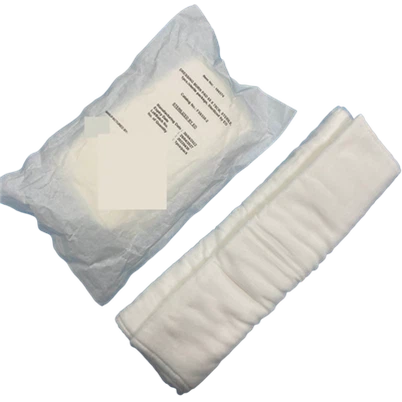
Wool crepe bandages are crafted from a blend of wool fibers and other materials, typically in a crepe - like texture. The unique structure of these bandages offers several properties that make them suitable for medical use. Wool, as a natural fiber, has inherent qualities such as breathability and moisture - wicking capabilities. It can absorb and release moisture, which helps to keep the skin dry and comfortable. This is crucial when dealing with foot injuries, as the feet are often enclosed in shoes and can become sweaty, creating an environment conducive to bacterial growth and skin irritation.
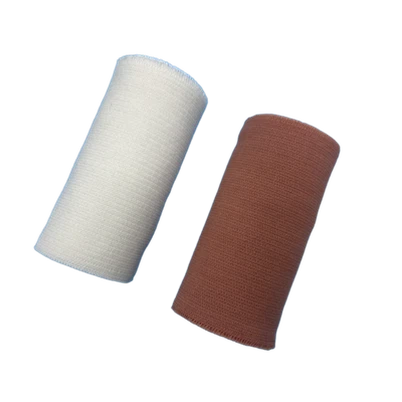
The crepe texture of the bandage provides elasticity. Elasticity is essential for foot injuries because it allows the bandage to conform to the contours of the foot while providing a consistent level of support. When a foot is injured, proper support is necessary to immobilize the affected area, reduce swelling, and prevent further damage. The elastic nature of the wool crepe bandage enables it to stretch and contract with the movement of the foot, offering dynamic support throughout the day.
Advantages of Using Wool Crepe Bandages for Foot Injuries
Comfort
One of the primary advantages of wool crepe bandages is their comfort. The softness of wool against the skin reduces friction and irritation, making it ideal for long - term wear. For patients with foot injuries who need to keep the bandage on for extended periods, comfort is a significant concern. The natural fibers of wool also have a hypoallergenic quality, which means they are less likely to cause allergic reactions in most people, even those with sensitive skin.
Swelling Reduction
Foot injuries often result in swelling due to the accumulation of fluid in the affected area. Wool crepe bandages can help to reduce swelling through a process known as compression. The elastic nature of the bandage applies gentle pressure to the injured foot, promoting blood circulation and preventing fluid from pooling. By improving blood flow, the bandage aids in the removal of waste products and toxins from the injured site, facilitating the healing process.
Support and Immobilization
Proper support and immobilization are crucial for foot injuries, especially sprains and fractures. A wool crepe bandage can provide the necessary support to keep the foot in a stable position. This helps to prevent further movement of the injured tissues, which can cause pain and delay the healing process. The bandage's ability to conform to the shape of the foot ensures that it provides targeted support to the affected area.


Breathability
As mentioned earlier, the breathability of wool is a significant advantage. When a foot is bandaged, it needs to "breathe" to maintain healthy skin. The porous nature of wool allows air to circulate freely around the foot, reducing the risk of skin maceration and fungal infections. This is particularly important for patients who wear the bandage while using footwear.
Considerations When Using Wool Crepe Bandages for Foot Injuries
Proper Application
The effectiveness of a wool crepe bandage depends largely on how it is applied. It is essential to apply the bandage evenly and snugly, but not too tightly. A bandage that is too tight can restrict blood flow, leading to poor circulation and potentially more severe problems. On the other hand, a bandage that is too loose may not provide adequate support. It is recommended that the bandage be applied in a spiral or figure - eight pattern, starting from the base of the foot and working upwards.
Skin Sensitivity
Although wool is generally hypoallergenic, some individuals may still experience skin sensitivity. Before using a wool crepe bandage, it is advisable to test a small area of the skin on the foot for any signs of irritation or allergic reaction. If redness, itching, or other symptoms occur, an alternative bandage material may need to be considered.
Hygiene
Maintaining proper hygiene is crucial when using a wool crepe bandage for a foot injury. The bandage should be changed regularly to prevent the buildup of dirt, sweat, and bacteria. If the bandage becomes wet or soiled, it should be replaced immediately to avoid skin problems.
Comparisons with Other Bandage Types
In the market, there are various types of bandages available for foot injuries. Let's briefly compare wool crepe bandages with some other common types.
Honeycomb Elastic Bandage
Honeycomb Elastic Bandage is known for its unique honeycomb structure, which provides excellent elasticity and breathability. While it shares some similarities with wool crepe bandages in terms of support and breathability, the honeycomb elastic bandage may offer more flexibility in terms of stretch. However, it may not have the same natural warmth and softness as wool.
PBT Conforming Bandage
PBT Conforming Bandage is made from a synthetic material that conforms well to the body's contours. It is often used for its strong conformability and durability. Compared to wool crepe bandages, PBT conforming bandages may be less breathable and may not have the natural moisture - wicking properties of wool.
Elastic Crepe Bandage 15cm
Elastic Crepe Bandage 15cm is a popular choice for a variety of injuries, including foot injuries. It offers good elasticity and support. However, if it is not made from wool, it may lack the comfort and breathability that wool provides.
Conclusion and Call to Action
In conclusion, wool crepe bandages can be an excellent choice for foot injuries. Their unique combination of comfort, support, swelling reduction, and breathability makes them a valuable option for patients and medical professionals alike. However, it is essential to consider proper application, skin sensitivity, and hygiene when using these bandages.
If you are in the medical field, a sports team, or an individual looking for high - quality bandages for foot injuries, I invite you to explore our range of wool crepe bandages. We are committed to providing the best products that meet the highest standards of quality and performance. Contact us for more information on our products, and let's start a discussion about your specific needs. We look forward to the opportunity of working with you to provide the right solutions for foot injury care.
References
- "Textile Science for Medical Applications" by X. M. Tao
- "Foot and Ankle Disorders: A Comprehensive Guide" by John A. Anderson
- "Bandage Materials and Their Clinical Applications" in the Journal of Medical Textiles