
Does krinkle gauze need to be changed frequently?
Leave a message

When it comes to wound care, krinkle gauze has emerged as a popular choice due to its unique properties and versatility. As a krinkle gauze supplier, I often receive questions from customers about the frequency of changing krinkle gauze. In this blog post, I will delve into the factors that influence the changing frequency of krinkle gauze and provide some guidelines to help you make informed decisions.
Understanding Krinkle Gauze
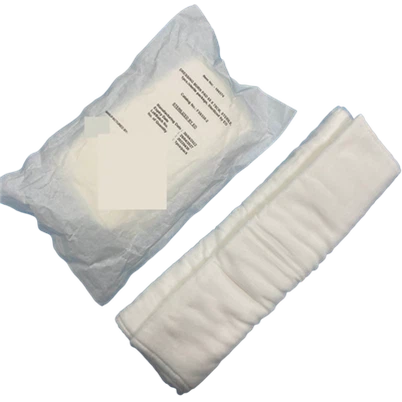
Krinkle gauze is a type of medical dressing made from woven cotton or synthetic fibers. It is characterized by its crinkled texture, which provides several advantages in wound care. The crinkles increase the surface area of the gauze, allowing for better absorption of wound exudate. Additionally, the crinkled structure helps to prevent the gauze from sticking to the wound, reducing pain and trauma during dressing changes.
There are two main types of krinkle gauze available: Krinkle Gauze Roll and Compressed Krinkle Gauze. Krinkle Gauze Roll is a continuous roll of gauze that can be cut to the desired length, making it suitable for various wound sizes. Compressed Krinkle Gauze, on the other hand, is pre - cut and compressed into a compact form, which is convenient for use in emergency situations or when portability is required.
Factors Affecting the Changing Frequency of Krinkle Gauze
Wound Type and Severity
The type and severity of the wound play a crucial role in determining how often the krinkle gauze should be changed. For example, a minor abrasion or a clean surgical wound may require less frequent dressing changes compared to a heavily exuding wound, such as a pressure ulcer or a burn.
- Clean Wounds: Clean wounds, such as those resulting from a surgical procedure, typically have less exudate. In these cases, the krinkle gauze can be changed every 2 - 3 days, as long as the wound is showing signs of healing and there are no signs of infection.
- Exuding Wounds: Wounds that produce a large amount of exudate, such as diabetic foot ulcers or venous leg ulcers, may require more frequent dressing changes. In some cases, the gauze may need to be changed daily or even more frequently to prevent the buildup of exudate, which can lead to maceration of the surrounding skin and increase the risk of infection.
Amount of Exudate
The amount of exudate produced by the wound is another important factor. Exudate is a natural part of the wound healing process, but excessive exudate can be problematic. If the krinkle gauze becomes saturated with exudate, it loses its ability to absorb more fluid and may need to be changed.


- Light Exudate: If the wound has light exudate, the gauze may stay in place for 2 - 3 days. However, it is important to monitor the wound regularly to ensure that the exudate is not increasing.
- Heavy Exudate: In the case of heavy exudate, the gauze may need to be changed every 12 - 24 hours. This helps to keep the wound environment clean and dry, which is essential for optimal healing.
Risk of Infection
The risk of infection is also a significant consideration. Wounds that are at a higher risk of infection, such as those in areas with poor blood circulation or those exposed to contaminants, may require more frequent dressing changes.
- Low - Risk Wounds: For low - risk wounds, such as minor cuts and scrapes, the krinkle gauze can be changed less frequently. However, it is still important to keep the wound clean and monitor for any signs of infection, such as redness, swelling, or pus.
- High - Risk Wounds: High - risk wounds, such as those in patients with diabetes or compromised immune systems, may need to be dressed more often to prevent infection. In some cases, the gauze may need to be changed every 8 - 12 hours.
General Guidelines for Changing Krinkle Gauze
Based on the above factors, here are some general guidelines for changing krinkle gauze:
- Initial Dressing Change: For most wounds, the initial dressing change should be done within 24 - 48 hours after the wound is first dressed. This allows for an assessment of the wound and ensures that the dressing is still appropriate.
- Regular Monitoring: After the initial dressing change, the wound should be monitored regularly. If the gauze is saturated with exudate, has a foul odor, or if there are signs of infection, the dressing should be changed immediately.
- Gradual Reduction in Frequency: As the wound heals and the amount of exudate decreases, the frequency of dressing changes can be gradually reduced. However, it is important to continue monitoring the wound until it is fully healed.
Benefits of Appropriate Dressing Changes
Changing krinkle gauze at the appropriate frequency offers several benefits:
- Promotes Wound Healing: By keeping the wound clean and dry, appropriate dressing changes create an optimal environment for wound healing. This helps to prevent the growth of bacteria and reduces the risk of infection.
- Reduces Pain and Trauma: Changing the gauze regularly helps to prevent it from sticking to the wound, which can reduce pain and trauma during dressing changes.
- Improves Patient Comfort: A clean and dry dressing is more comfortable for the patient, which can improve their overall well - being during the healing process.
Conclusion
In conclusion, the frequency of changing krinkle gauze depends on several factors, including the type and severity of the wound, the amount of exudate, and the risk of infection. By following the general guidelines and monitoring the wound closely, you can ensure that the krinkle gauze is changed at the appropriate time to promote optimal wound healing.
If you are interested in purchasing high - quality krinkle gauze for your medical needs, we are here to assist you. Our krinkle gauze products are made from the finest materials and are designed to meet the highest standards of quality and performance. Contact us to discuss your requirements and start a procurement negotiation.
References
- "Wound Care: Principles and Practice" by Emily S. Cooper
- "Medical Textbook of Wound Management" by John R. Smith