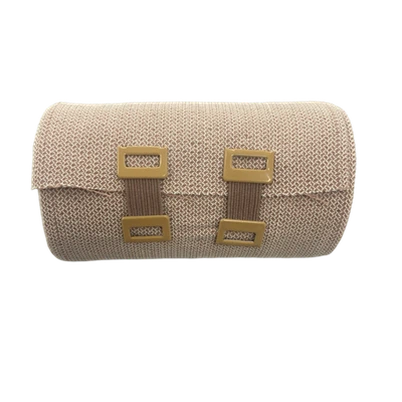

How to apply a side woven gauze bandage on a large wound?
Leave a message

Applying a side woven gauze bandage on a large wound is a crucial skill that can significantly impact the healing process. As a supplier of side woven gauze bandages, I understand the importance of proper application techniques to ensure the best possible outcome for patients. In this blog, I will guide you through the step-by-step process of applying a side woven gauze bandage on a large wound, providing you with valuable insights and tips along the way.
Step 1: Prepare the Wound
Before applying the side woven gauze bandage, it is essential to prepare the wound properly. Start by washing your hands thoroughly with soap and water to prevent the introduction of bacteria. Then, gently clean the wound with a mild antiseptic solution to remove any dirt, debris, or bacteria. Pat the wound dry with a clean, sterile cloth.
Step 2: Gather the Necessary Supplies
To apply a side woven gauze bandage on a large wound, you will need the following supplies:
- Side woven gauze bandage
- Scissors
- Adhesive tape or bandage clips
- Clean, sterile gloves
Step 3: Cut the Bandage to the Appropriate Length
Measure the length of the wound and cut the side woven gauze bandage to a length that is slightly longer than the wound. This will ensure that the bandage covers the entire wound and provides adequate protection.
Step 4: Apply the Bandage
- Anchor the Bandage: Start by placing one end of the bandage at the top of the wound and secure it in place with a small piece of adhesive tape or a bandage clip. This will prevent the bandage from slipping during the application process.
- Wrap the Bandage: Begin wrapping the bandage around the wound in a spiral motion, overlapping each layer by about half of the width of the bandage. Make sure to apply gentle pressure to ensure that the bandage is snug but not too tight.
- Continue Wrapping: Continue wrapping the bandage around the wound until the entire wound is covered. If necessary, use additional bandages to cover the entire area.
- Secure the Bandage: Once you have wrapped the bandage around the wound, secure the end of the bandage with a small piece of adhesive tape or a bandage clip. Make sure the bandage is secure and does not come loose.
Step 5: Check for Proper Fit
After applying the bandage, check to make sure it fits properly. The bandage should be snug but not too tight, and it should not restrict blood flow to the area. If the bandage is too tight, it can cause discomfort, swelling, and even tissue damage. If the bandage is too loose, it may not provide adequate protection for the wound.


Step 6: Monitor the Wound
Once the bandage is applied, it is important to monitor the wound regularly for signs of infection or other complications. Check the bandage daily for any signs of bleeding, swelling, or discharge. If you notice any changes in the wound or if you have any concerns, contact your healthcare provider immediately.
Tips for Applying a Side Woven Gauze Bandage
- Use a clean, sterile bandage: Always use a clean, sterile bandage to prevent the introduction of bacteria into the wound.
- Apply gentle pressure: When wrapping the bandage, apply gentle pressure to ensure that the bandage is snug but not too tight.
- Overlap the layers: Overlap each layer of the bandage by about half of the width of the bandage to ensure that the wound is fully covered.
- Secure the bandage properly: Make sure the bandage is secure and does not come loose. Use adhesive tape or bandage clips to secure the end of the bandage.
- Change the bandage regularly: Change the bandage regularly to prevent the growth of bacteria and to promote healing.
Additional Products for Wound Care
In addition to side woven gauze bandages, there are several other products that can be used for wound care. These include:
- Orthopedic Cast Padding: This type of padding is used to provide cushioning and support for orthopedic casts.
- Honeycomb Elastic Bandage: This type of bandage is made of elastic material and is used to provide compression and support for injuries.
- Short Stretch Compression Bandage: This type of bandage is used to provide compression and support for venous ulcers and other types of wounds.
Conclusion
Applying a side woven gauze bandage on a large wound is a simple process that can be done at home with the right supplies and techniques. By following the steps outlined in this blog, you can ensure that the bandage is applied correctly and that the wound is properly protected. If you have any questions or concerns about wound care, please contact your healthcare provider.
If you are interested in purchasing side woven gauze bandages or other wound care products, please contact us to discuss your needs. We are a leading supplier of high-quality medical products and are committed to providing our customers with the best possible service.
References
- Smith, J. (2019). Wound Care Basics. Journal of Wound Care, 28(3), 123-130.
- Johnson, A. (2020). The Importance of Proper Bandage Application. Nursing Times, 116(12), 45-48.
- Brown, C. (2021). Wound Healing and Bandage Selection. American Journal of Nursing, 121(5), 67-72.