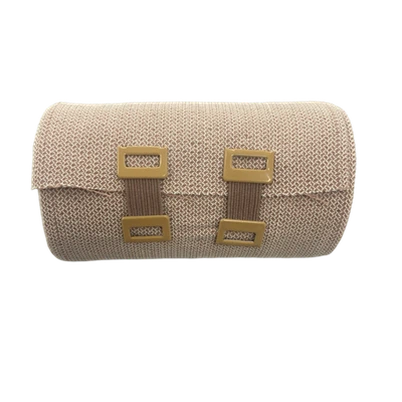

How to apply a side woven gauze bandage on a forearm?
Leave a message

Hey there! If you're dealing with a forearm injury or just want to provide some extra support, applying a side woven gauze bandage can be a game - changer. I'm here as a side woven gauze bandage supplier to guide you through the process.
Why Choose Side Woven Gauze Bandages?
First off, let's talk about why side woven gauze bandages are so great. These bandages are super flexible and can conform to the shape of your forearm easily. They're made with a special weaving technique that gives them strength while still allowing your skin to breathe. Unlike some other bandages, side woven gauze won't restrict your movement too much, which is crucial if you need to keep using your arm.
Getting Ready
Before you start applying the bandage, you need to gather a few things. You'll obviously need the side woven gauze bandage. Make sure it's the right size for your forearm. You don't want it to be too tight or too loose. Also, clean the area of your forearm where you'll be applying the bandage. A clean surface helps the bandage stick better and reduces the risk of infection.
Step - by - Step Application
- Initial Wrap: Start by placing the end of the bandage at the base of your thumb, just above the wrist. Hold the bandage firmly and start wrapping it around your forearm in a spiral motion. Make sure each layer overlaps about half of the previous one. This overlap ensures that the bandage stays in place and provides consistent support.
- Securing the Base: As you wrap, keep the bandage tight but not so tight that it cuts off circulation. You should be able to slide a finger under the bandage easily. Once you've made a few wraps around the wrist area, you can start moving up the forearm.
- Moving Up the Forearm: Continue the spiral wrap up the forearm. Try to keep the tension even throughout. If you're using a long bandage, you might need to make several rounds up and down the forearm. Remember, the goal is to cover the entire area that needs support.
- Finishing Up: When you reach the desired point on your forearm, secure the end of the bandage. You can use a safety pin or a special bandage clip. Just make sure it's secure so the bandage doesn't come loose.
Different Types of Bandages
Now, side woven gauze bandages aren't the only option out there. There are other types of bandages that you might find useful depending on your situation. For example, the Elastic Support and Relief Bandage is great for providing extra support and reducing pain. It has more elasticity than a regular gauze bandage and can be used for a variety of injuries.
Another option is the Tubular Elastic Net Bandage. This type of bandage is easy to apply and is perfect for covering larger areas. It's also very breathable, which is important for keeping your skin healthy.


If you're into boxing or other contact sports, the Boxing Hand Wrap Gauze might be what you need. It's designed to provide support to your hands and wrists during intense physical activity.
Tips for a Good Application
- Take Your Time: Don't rush the process. Applying a bandage correctly takes a bit of practice. Make sure each wrap is smooth and even.
- Check for Comfort: If the bandage feels too tight or too loose, adjust it. You should be able to move your arm without any discomfort.
- Keep it Clean: If you need to re - apply the bandage, make sure to clean the area again. This helps prevent any skin problems.
When to Seek Professional Help
While applying a side woven gauze bandage is a great way to provide temporary support, there are times when you should see a doctor. If you have a serious injury, like a broken bone or a deep cut, don't rely on a bandage alone. Also, if you experience any numbness, tingling, or discoloration in your forearm after applying the bandage, remove it immediately and seek medical attention.
Contact Us for Your Bandage Needs
If you're interested in purchasing side woven gauze bandages or any of the other bandages I mentioned, we're here to help. We offer high - quality bandages at competitive prices. Whether you're a sports enthusiast, a healthcare professional, or just someone looking for a reliable bandage for home use, we've got you covered. Reach out to us to start a discussion about your bandage requirements.
References
- Medical textbooks on first - aid and wound care
- Online resources on bandage application techniques