
What is the best time to change gauze on a wound?
Leave a message

Determining the best time to change the gauze on a wound is a crucial aspect of wound care that can significantly impact the healing process. As a reputable gauze supplier, I understand the importance of providing accurate information to ensure optimal wound management. In this blog, we will explore the factors that influence the frequency of gauze changes and provide guidelines to help you make informed decisions.
Factors Affecting the Timing of Gauze Changes
Wound Type
The type of wound plays a significant role in determining how often the gauze should be changed. For example, acute wounds, such as surgical incisions or cuts, typically require more frequent gauze changes in the initial stages to prevent infection and promote healing. In contrast, chronic wounds, like pressure ulcers or diabetic foot ulcers, may have a slower healing process and may not need as frequent changes.
Wound Exudate
The amount of exudate, or fluid, produced by the wound is another important factor. Wounds that produce a large amount of exudate can quickly saturate the gauze, increasing the risk of infection and maceration (softening and breakdown of the skin). In such cases, more frequent gauze changes are necessary to keep the wound dry and clean. On the other hand, wounds with minimal exudate may require less frequent changes.
Wound Size
The size of the wound also affects the timing of gauze changes. Larger wounds tend to produce more exudate and may require more frequent changes to prevent the accumulation of fluid. Smaller wounds, however, may need less frequent changes as they produce less exudate.
Wound Location
The location of the wound can influence the frequency of gauze changes. Wounds in areas that are prone to movement, such as joints, may require more frequent changes to prevent the gauze from shifting or becoming dislodged. Additionally, wounds in areas that are exposed to dirt or bacteria, such as the hands or feet, may need more frequent changes to reduce the risk of infection.
General Guidelines for Gauze Changes
Initial Wound Care
In the first 24 to 48 hours after a wound is sustained, it is important to change the gauze frequently to remove any blood or debris and prevent infection. This may involve changing the gauze every 2 to 4 hours, depending on the amount of exudate.
Intermediate Wound Care
Once the initial bleeding has stopped and the wound has started to heal, the frequency of gauze changes can be reduced. For most wounds, changing the gauze every 1 to 2 days is sufficient. However, if the wound is producing a large amount of exudate or if there are signs of infection, more frequent changes may be necessary.
Advanced Wound Care
As the wound continues to heal, the frequency of gauze changes can be further reduced. In some cases, changing the gauze once a week may be sufficient. However, it is important to monitor the wound closely for any signs of infection or delayed healing.
Special Considerations
Use of Antibiotics
If antibiotics are being used to treat a wound infection, the frequency of gauze changes may need to be adjusted. In some cases, the antibiotics may be applied directly to the wound, which may require more frequent changes to ensure that the medication is being delivered effectively.


Wound Dressing Type
The type of wound dressing used can also affect the frequency of gauze changes. For example, Petroleum Jelly Gauze Dressing is designed to provide a moist environment for the wound, which can promote healing. This type of dressing may need to be changed less frequently than other types of dressings.
Patient Mobility
Patients who are mobile may require more frequent gauze changes to prevent the dressing from becoming dislodged or contaminated. In such cases, it may be necessary to use a more secure dressing or to provide additional support to the wound.
Our Gauze Products
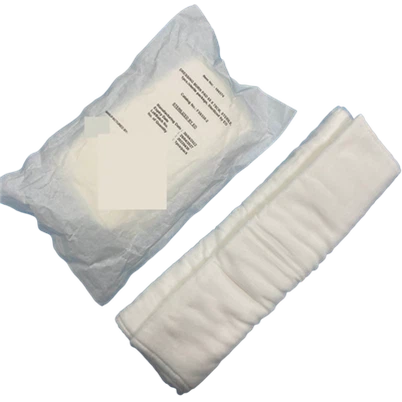
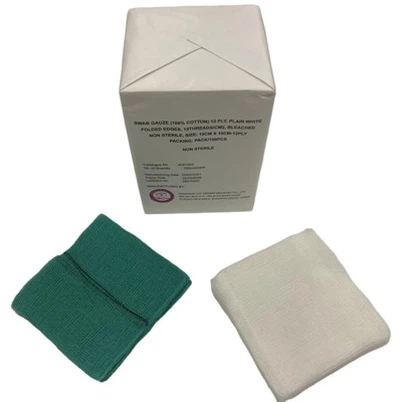
As a leading gauze supplier, we offer a wide range of high-quality gauze products to meet the diverse needs of our customers. Our Petroleum Jelly Gauze Dressing is designed to provide a moist environment for the wound, which can promote healing and reduce the risk of infection. Our Sterile Lap Sponges are ideal for absorbing exudate and keeping the wound clean. And our WOW Gauze Bandage is a versatile and comfortable option for wound dressing.
Contact Us for Purchasing
If you are interested in purchasing our gauze products or have any questions about wound care, please feel free to contact us. Our team of experts is available to provide you with the information and support you need to make the right decisions for your wound care needs.
References
- Smith, J. (2020). Wound Care: Best Practices for Healing. Journal of Wound Care, 29(3), 123-130.
- Johnson, A. (2019). The Importance of Proper Wound Dressing Changes. International Journal of Wound Management, 15(2), 78-85.
- Brown, C. (2018). Factors Affecting Wound Healing and the Role of Gauze Dressings. Wound Care Today, 12(4), 23-30.