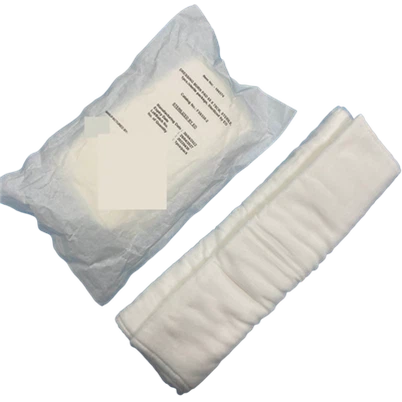

What is the difference between a cotton stretch bandage and an elastic bandage?
Leave a message

When it comes to wound care and support, bandages play a crucial role. Among the various types of bandages available in the market, cotton stretch bandages and elastic bandages are two commonly used options. As a supplier of cotton stretch bandages, I often encounter questions about the differences between these two types of bandages. In this blog post, I will delve into the characteristics, uses, and advantages of cotton stretch bandages and elastic bandages to help you make an informed decision.
Composition and Material
Cotton stretch bandages are primarily made from cotton fibers. Cotton is a natural material known for its softness, breathability, and absorbency. These bandages are woven in a way that allows them to stretch to some extent, providing a comfortable fit. The natural properties of cotton make it suitable for sensitive skin, as it reduces the risk of irritation and allergic reactions.
On the other hand, elastic bandages are typically made from synthetic materials such as latex, spandex, or a combination of these with other fibers. The elastic nature of these bandages is due to the presence of elastomers, which allow them to stretch and recoil. Elastic bandages can provide a high degree of stretch, making them ideal for applications where a tight and secure fit is required.
Stretch and Elasticity
One of the key differences between cotton stretch bandages and elastic bandages lies in their stretch and elasticity. Cotton stretch bandages have a limited stretch capacity. They can stretch to a certain extent, but not as much as elastic bandages. This limited stretch is often sufficient for applications where gentle support is needed, such as covering minor wounds or providing light compression.
Elastic bandages, as the name suggests, have a high degree of elasticity. They can stretch significantly and then return to their original shape. This property makes them suitable for applications where a tight and adjustable fit is required, such as supporting joints during physical activity or providing compression for swelling.
Compression and Support
Cotton stretch bandages provide a relatively gentle form of compression. They are often used to hold dressings in place, provide support for minor injuries, and reduce swelling to a certain extent. The compression provided by cotton stretch bandages is more uniform and less intense compared to elastic bandages.
Elastic bandages, on the other hand, can provide a more targeted and intense form of compression. They are commonly used for treating sprains, strains, and other injuries where strong support and compression are necessary. The elasticity of these bandages allows them to conform to the shape of the body part, providing a snug fit and effective support.
Breathability
Breathability is an important factor to consider when choosing a bandage, especially for long-term use. Cotton stretch bandages are highly breathable due to the natural properties of cotton. They allow air to circulate around the wound, reducing the risk of moisture buildup and promoting faster healing.
Elastic bandages, depending on their composition, may have varying degrees of breathability. Some elastic bandages are designed to be breathable, but others may be less so, especially those made from synthetic materials. It is important to choose an elastic bandage that is breathable to prevent skin irritation and discomfort.
Uses and Applications
Cotton stretch bandages are commonly used for a variety of purposes, including:


- Wound dressing: They are used to hold dressings in place over minor cuts, abrasions, and burns.
- Support for minor injuries: Cotton stretch bandages can provide light support for sprains, strains, and other minor injuries.
- Post-operative care: They are used to support the surgical site and reduce swelling after surgery.
Elastic bandages are often used for more specific applications, such as:
- Sports injuries: They are commonly used by athletes to support joints during physical activity and prevent injuries.
- Compression therapy: Elastic bandages are used to provide compression for swelling, edema, and other conditions.
- Orthopedic support: They are used to support the joints and muscles in cases of arthritis, fractures, and other orthopedic conditions.
Advantages and Disadvantages
Both cotton stretch bandages and elastic bandages have their own advantages and disadvantages.
Advantages of Cotton Stretch Bandages
- Soft and comfortable: The natural cotton material is soft on the skin, making it suitable for sensitive skin.
- Breathable: Cotton allows air to circulate, reducing the risk of skin irritation and promoting faster healing.
- Absorbent: Cotton can absorb moisture, keeping the wound dry.
- Cost-effective: Cotton stretch bandages are generally more affordable compared to elastic bandages.
Disadvantages of Cotton Stretch Bandages
- Limited stretch: They have a limited stretch capacity, which may not be suitable for applications where a tight fit is required.
- Less compression: The compression provided by cotton stretch bandages is relatively gentle and may not be sufficient for treating more severe injuries.
Advantages of Elastic Bandages
- High elasticity: Elastic bandages can stretch significantly and provide a tight and adjustable fit.
- Strong support and compression: They are effective in providing support for joints and muscles and reducing swelling.
- Conformable: Elastic bandages can conform to the shape of the body part, providing a snug fit.
Disadvantages of Elastic Bandages
- Potential for skin irritation: Some people may be allergic to the synthetic materials used in elastic bandages, which can cause skin irritation.
- Less breathable: Depending on the composition, elastic bandages may be less breathable compared to cotton stretch bandages.
- Higher cost: Elastic bandages are generally more expensive than cotton stretch bandages.
Conclusion
In conclusion, cotton stretch bandages and elastic bandages have different characteristics, uses, and advantages. Cotton stretch bandages are soft, breathable, and cost-effective, making them suitable for minor injuries and general wound care. Elastic bandages, on the other hand, provide a high degree of stretch, strong support, and compression, making them ideal for treating more severe injuries and providing support during physical activity.
As a supplier of cotton stretch bandages, I understand the importance of choosing the right bandage for your needs. If you are looking for a gentle and breathable bandage for minor injuries or wound dressing, cotton stretch bandages may be the right choice for you. If you need a bandage that provides strong support and compression for more severe injuries or during physical activity, elastic bandages may be more suitable.
If you have any questions or need further information about our cotton stretch bandages or other bandage products, please feel free to contact us for a detailed discussion and potential procurement. We are committed to providing high-quality bandage solutions to meet your specific requirements.
References
- "Bandage Types and Uses." Medical News Today.
- "Cotton vs. Elastic Bandages: What's the Difference?" Healthline.
- "The Science of Bandages." American Academy of Orthopaedic Surgeons.