
Can a high elastic bandage be used for tennis elbow?
Leave a message

Can a high elastic bandage be used for tennis elbow?
Tennis elbow, medically known as lateral epicondylitis, is a common condition that causes pain and tenderness on the outside of the elbow. It is often associated with repetitive wrist and arm movements, such as those used in tennis, but can also occur in other activities. As a high elastic bandage supplier, I often receive inquiries about whether our products can be used to address tennis elbow. In this blog post, I'll explore the potential benefits and considerations of using high elastic bandages for this condition.
Understanding Tennis Elbow
Before delving into the use of high elastic bandages, it's important to understand the nature of tennis elbow. The condition typically results from overuse or strain of the tendons that attach to the lateral epicondyle, the bony bump on the outside of the elbow. This can lead to inflammation, micro - tears in the tendons, and pain. Symptoms may include pain when gripping objects, extending the wrist, or making repetitive arm movements.
How High Elastic Bandages Work
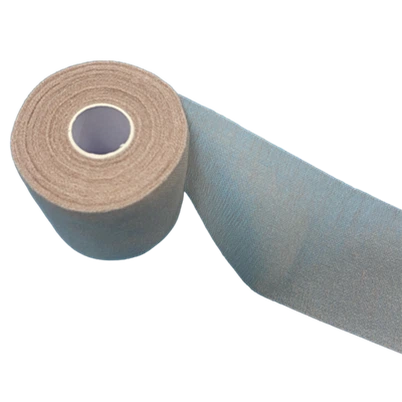
High elastic bandages are designed to provide support and compression. They are made from materials that can stretch and conform to the shape of the body part they are wrapped around. When applied to the forearm in the case of tennis elbow, a high elastic bandage can offer several benefits.
Compression: Compression helps to reduce swelling and inflammation in the affected area. By applying pressure, the bandage can limit the amount of fluid that accumulates in the tissues, which in turn can alleviate pain. The compression also helps to improve blood circulation, which is essential for the healing process.
Support: High elastic bandages provide support to the muscles and tendons in the forearm. This support can help to reduce the stress on the affected tendons, allowing them to rest and recover. By stabilizing the muscles, the bandage can also prevent further injury during activities.
Using High Elastic Bandages for Tennis Elbow
When using a high elastic bandage for tennis elbow, proper application is crucial. Here are some steps to follow:
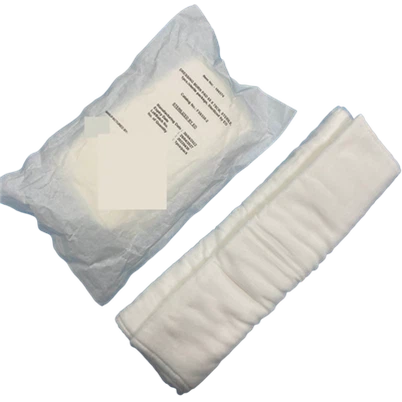
- Choose the right bandage: As a high elastic bandage supplier, I recommend selecting a bandage that is the appropriate width and length for the forearm. Our High Elastic Bandage comes in various sizes to ensure a proper fit.
- Prepare the area: Clean and dry the forearm before applying the bandage. This helps to ensure that the bandage adheres properly and reduces the risk of skin irritation.
- Apply the bandage: Start by wrapping the bandage around the forearm just below the elbow. Begin with a loose wrap to allow for some movement and then gradually increase the tension as you continue to wrap. Make sure to overlap the bandage by about half of its width to provide even compression.
- Adjust the tension: The bandage should be snug but not too tight. You should be able to insert a finger between the bandage and the skin. If the bandage is too tight, it can restrict blood flow and cause discomfort.
- Secure the bandage: Once you have wrapped the bandage around the forearm, secure it with the provided fasteners or by tucking the end of the bandage under the previous layer.
Other Types of Bandages for Tennis Elbow
In addition to high elastic bandages, there are other types of bandages that can be used for tennis elbow.
Wool Crepe Bandage: Wool Crepe Bandage is a soft and breathable option. It provides gentle compression and support, and the wool material can help to keep the area warm, which may aid in pain relief.
Cotton Stretch Bandage: Cotton Stretch Bandage is another popular choice. It is lightweight and comfortable to wear, and it offers good stretch and support.
Considerations and Precautions
While high elastic bandages can be beneficial for tennis elbow, there are some considerations and precautions to keep in mind.
Skin sensitivity: Some people may be sensitive to the materials used in high elastic bandages. If you experience any skin irritation, such as redness, itching, or a rash, stop using the bandage immediately and consult a healthcare professional.
Proper fit: A poorly fitting bandage can be ineffective or even cause more harm. Make sure to follow the instructions for proper application and adjust the tension as needed.
Underlying conditions: If you have any underlying medical conditions, such as diabetes or poor circulation, it's important to consult a doctor before using a high elastic bandage.
Conclusion
In conclusion, high elastic bandages can be a useful tool for managing tennis elbow. They provide compression and support, which can help to reduce pain, swelling, and inflammation. However, it's important to use them correctly and to consider any individual factors or underlying conditions. If you're interested in purchasing high elastic bandages or other types of bandages for tennis elbow, feel free to contact us for more information and to discuss your specific needs. We are committed to providing high - quality products and excellent customer service.


References
- American Academy of Orthopaedic Surgeons. (2023). Tennis Elbow. Retrieved from [Website URL of the source].
- Mayo Clinic. (2023). Tennis Elbow (Lateral Epicondylitis). Retrieved from [Website URL of the source].