
Can wool crepe bandage be reused?
Leave a message

Wool crepe bandages are a staple in many medical and first - aid settings. As a supplier of wool crepe bandages, I often receive inquiries from customers about the possibility of reusing these bandages. This blog post aims to delve into the aspects of reusing wool crepe bandages, exploring the scientific, practical, and hygienic considerations.
Understanding Wool Crepe Bandages
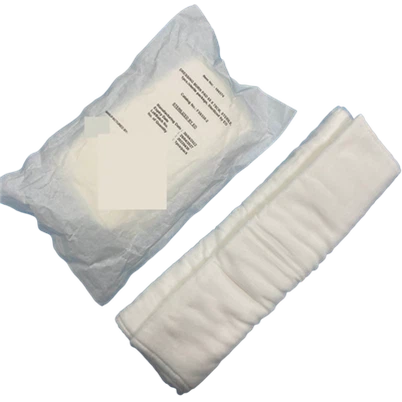
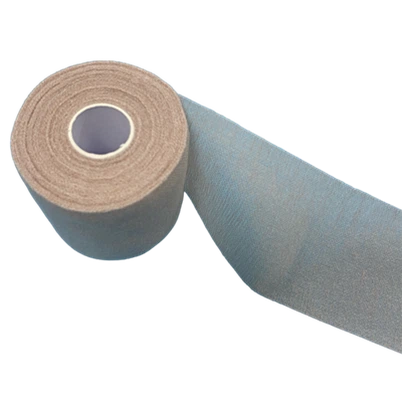
Wool crepe bandages are made from a combination of wool fibers and a crepe - like weave. This unique construction provides several benefits. The wool component offers natural warmth, which can be soothing for injuries, and has some degree of breathability. The crepe weave gives the bandage elasticity, allowing it to conform well to the body's contours, making it suitable for various applications such as supporting sprains, strains, and holding dressings in place.
Our company offers a range of high - quality wool crepe bandages. In addition, we also have other types of bandages in our product line, such as High Elastic Bandage, PBT Conforming Bandage, and Elastic Crepe Bandage 15cm, which can meet different customer needs.
Factors Affecting Reusability
Hygiene Concerns
One of the most significant factors when considering reusing wool crepe bandages is hygiene. Bandages come into direct contact with the skin and may be exposed to bodily fluids, dirt, and bacteria. For example, if a bandage is used to cover a wound, it can quickly become contaminated with blood, pus, or other exudates. These contaminants can harbor harmful microorganisms such as bacteria, viruses, and fungi.
Reusing a contaminated bandage can introduce these pathogens back to the body, increasing the risk of infection. Even if the bandage appears clean on the surface, there may still be invisible microorganisms present. Therefore, if a wool crepe bandage has been in contact with an open wound or has absorbed bodily fluids, it should not be reused under normal circumstances.
Physical Condition
The physical condition of the bandage also plays a crucial role in its reusability. Over time, and with use, the elasticity of the wool crepe bandage may decrease. The crepe weave can become stretched out or damaged, reducing its ability to provide proper support. If the bandage no longer conforms well to the body part, it may not be effective in treating the injury.
In addition, the fabric of the bandage can wear out. Fraying edges or holes can make the bandage less reliable and may even cause irritation to the skin. If the bandage shows signs of significant wear and tear, it is not advisable to reuse it.
Type of Use
The type of use the bandage has been put to is another determinant. If the bandage was used for simple support, such as wrapping around an ankle during a light workout, and has not come into contact with any contaminants, it may be more likely to be reusable. However, if it was used in a more serious medical situation, like immobilizing a fracture in a healthcare setting, strict sterilization procedures would need to be followed to consider reuse, and even then, it may not be practical.
Reusing Wool Crepe Bandages: A Process (with Limitations)
If you determine that a wool crepe bandage can potentially be reused, proper cleaning and storage are essential.


Cleaning
The first step is to gently remove any visible dirt or debris from the bandage. This can be done by shaking it or using a soft brush. For more thorough cleaning, follow these steps:
- Rinse: Hold the bandage under cool running water to remove loose particles.
- Soak: Fill a basin with lukewarm water and add a small amount of mild detergent. Soak the bandage in the soapy water for about 15 - 20 minutes.
- Gently Agitate: Gently move the bandage around in the water to ensure that all areas are cleaned. Avoid wringing or twisting the bandage, as this can damage the fabric and reduce its elasticity.
- Rinse Again: Rinse the bandage thoroughly under cool running water until all the detergent is removed.
- Dry: Hang the bandage to dry in a well - ventilated area away from direct sunlight. Do not use a dryer, as the high heat can shrink or damage the wool fibers.
Storage
Once the bandage is dry, store it in a clean, dry place. You can roll it up neatly and place it in a sealed plastic bag to protect it from dust and moisture.
It is important to note that even after cleaning and proper storage, the bandage's performance may still degrade over multiple uses. Therefore, it is crucial to regularly inspect the bandage for any signs of wear and tear.
Advantages and Disadvantages of Reusing Wool Crepe Bandages
Advantages
- Cost - Effective: Reusing bandages can save money, especially for individuals or organizations with a high demand for bandages. For example, sports teams or small first - aid stations can reduce their expenses by reusing bandages when appropriate.
- Environmental Impact: By reusing bandages, we can reduce the amount of medical waste generated. This is beneficial for the environment, as it decreases the burden on landfills and reduces the consumption of resources used in manufacturing new bandages.
Disadvantages
- Infection Risk: As mentioned earlier, the risk of infection is a major concern when reusing bandages. Even with proper cleaning, there is always a small chance that some pathogens may remain on the bandage.
- Reduced Effectiveness: Over time, the bandage's elasticity and conformability may decrease. This can lead to less effective support for injuries, potentially prolonging the recovery process.
Conclusion and Call to Action
In conclusion, while it is technically possible to reuse wool crepe bandages under certain conditions, it requires careful consideration of hygiene, physical condition, and type of use. If the bandage has been in contact with an open wound or shows significant wear and tear, it should be discarded.
As a supplier of wool crepe bandages, we are committed to providing high - quality products that meet the needs of our customers. Whether you need bandages for medical facilities, sports teams, or personal first - aid kits, we have the right solutions for you. If you are interested in purchasing our wool crepe bandages or any of the other products in our range, such as High Elastic Bandage, PBT Conforming Bandage, and Elastic Crepe Bandage 15cm, please feel free to contact us to discuss your requirements and start a procurement negotiation.
References
- Medical Textbook on Wound Care and Bandage Use
- Journal Articles on Bandage Hygiene and Reusability
- Industry Standards for Bandage Manufacturing and Use