
How often should I change a bandage?
Leave a message

When it comes to wound care, one of the most common questions is, "How often should I change a bandage?" As a bandage supplier, I've seen firsthand the importance of proper bandage changing in promoting healing and preventing infection. In this blog post, I'll share some insights on how often you should change a bandage, factors that influence the frequency, and tips for ensuring optimal wound care.
General Guidelines for Bandage Changing
The frequency of bandage changes depends on several factors, including the type of wound, the stage of healing, and the type of bandage used. Here are some general guidelines to help you determine how often to change your bandage:


- Fresh Wounds: For fresh wounds, it's important to change the bandage frequently to prevent infection. In the first 24 to 48 hours, change the bandage at least once a day. After that, you can reduce the frequency to every two to three days, depending on the amount of drainage.
- Minor Wounds: Minor wounds, such as cuts and scrapes, usually heal within a few days. You can change the bandage once a day or as needed if it becomes dirty or wet.
- Chronic Wounds: Chronic wounds, such as pressure ulcers and diabetic foot ulcers, require more frequent bandage changes. These wounds often have a lot of drainage, which can increase the risk of infection. Change the bandage at least once a day, or more often if the wound is heavily draining.
Factors That Influence Bandage Changing Frequency
In addition to the type of wound, several other factors can influence how often you should change a bandage. These factors include:
- Wound Size and Depth: Larger and deeper wounds may require more frequent bandage changes to prevent infection and promote healing.
- Amount of Drainage: Wounds that produce a lot of drainage, such as abscesses and burns, may require more frequent bandage changes to keep the wound clean and dry.
- Type of Bandage: Different types of bandages have different absorption capacities and durations. For example, a gauze bandage may need to be changed more frequently than a hydrocolloid bandage, which can stay in place for several days.
- Patient Activity Level: Patients who are more active may need to change their bandages more frequently to prevent the bandage from becoming loose or dirty.
Tips for Optimal Wound Care
In addition to changing the bandage at the appropriate frequency, there are several other tips you can follow to ensure optimal wound care:
- Keep the Wound Clean: Before applying a new bandage, clean the wound with mild soap and water. Pat the wound dry with a clean towel.
- Choose the Right Bandage: Select a bandage that is appropriate for the type and size of the wound. For example, a small cut may only require a simple adhesive bandage, while a larger wound may require a more absorbent dressing.
- Apply the Bandage Correctly: Make sure the bandage is applied snugly but not too tight. Avoid wrapping the bandage too tightly, as this can restrict blood flow and delay healing.
- Monitor the Wound: Keep an eye on the wound for signs of infection, such as redness, swelling, pain, or discharge. If you notice any of these symptoms, contact your healthcare provider immediately.
Types of Bandages and Their Changing Frequencies
As a bandage supplier, I offer a wide range of bandages to meet the needs of different wounds. Here are some of the most common types of bandages and their recommended changing frequencies:
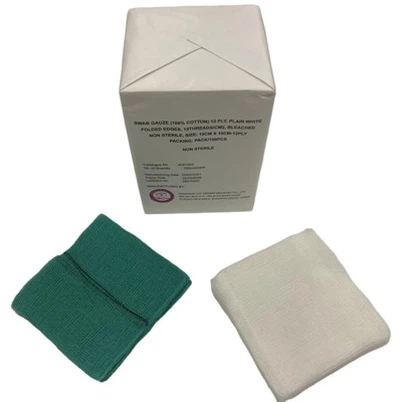
- Gauze Bandages: Gauze bandages are a popular choice for covering wounds because they are absorbent and breathable. They are typically changed once or twice a day, depending on the amount of drainage. Boxing Hand Wrap Gauze is a type of gauze bandage that is commonly used for hand injuries.
- Adhesive Bandages: Adhesive bandages, also known as Band-Aids, are a convenient option for small cuts and scrapes. They are typically changed once a day or as needed if they become dirty or wet.
- Hydrocolloid Bandages: Hydrocolloid bandages are designed to create a moist environment that promotes healing. They can stay in place for several days, depending on the size and type of the wound. Elastic Support and Relief Bandage is a type of hydrocolloid bandage that provides support and relief for minor injuries.
- Compression Bandages: Compression bandages are used to reduce swelling and promote blood flow. They are typically changed once a day or as needed if they become loose or dirty. High Elastic Bandage is a type of compression bandage that is commonly used for sprains and strains.
Conclusion
Proper bandage changing is an important part of wound care. By following the general guidelines and tips outlined in this blog post, you can ensure that your wounds heal properly and avoid infection. If you have any questions or concerns about wound care or bandage changing, don't hesitate to contact me. As a bandage supplier, I'm here to help you find the right bandage for your needs and provide you with the support and guidance you need to promote healing.
If you're interested in purchasing bandages for your personal or professional use, I invite you to contact me to discuss your needs and explore our wide range of products. We offer high-quality bandages at competitive prices, and we're committed to providing excellent customer service. Let's work together to ensure that your wounds heal quickly and safely.
References
- American Academy of Dermatology. (n.d.). Wound care: How to care for a wound. Retrieved from https://www.aad.org/public/diseases/a-z/wound-care-treatment
- National Institute of Diabetes and Digestive and Kidney Diseases. (n.d.). Wound care: Tips for preventing and treating wounds. Retrieved from https://www.niddk.nih.gov/health-information/wound-care
- World Health Organization. (2019). Guidelines on hand hygiene in health care: First global patient safety challenge. Retrieved from https://www.who.int/publications/i/item/9789241597906